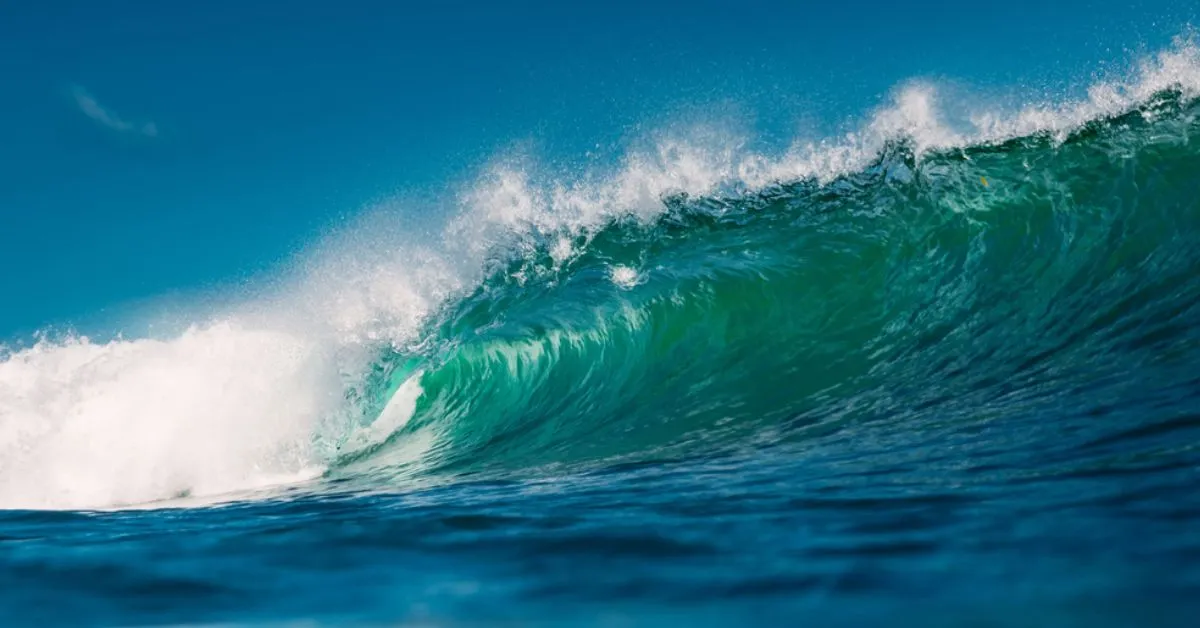
The Earth is a one-of-a-kind planet and sometimes it is called the Blue Planet due to the abundant quantity of water that is observable through space. This water is primarily in the form of oceans, which contribute a significant portion to sustaining life, climate control, and maintaining ecological stability.
Oceans over the years have not only determined the physical geography of our world, but also weather patterns, trade routes and human civilizations. Although the oceans occupy such a vast area on Earth, there remains a lot to discover.
Today we will learn an interesting and significant fact about our planet, which is how much of the earth is covered by oceans.
How Much of Earth’s Surface Do Oceans Cover?
The ocean covers approximately 71 percent of the earth. This implies that over two-thirds of the earth is composed of water, whereas merely about 29 percent is land. This large water body is composed of the five major oceans: the Pacific, Atlantic, Indian, Southern, and Arctic. Moreover, the oceans hold 97% of the planet’s water.
NASA mentions: “The global ocean covers more than 70% of Earth's surface and holds approximately 97% of the planet's water. NASA's Earth-observing satellites collect data that help scientists understand how the ocean supports marine ecosystems, regulates global climate, produces atmospheric oxygen, and stores carbon dioxide.”
Why are Oceans So Large?
The extensive coverage of oceans can be attributed to the formation of the earth billions of years ago. When the earth cooled down the condensate was in the form of water vapor, this vapor accumulated as oceans filling the flat areas of the Earth surface.
Tectonic motions however over a period of time defined the continents and ocean basins with the distribution that we have today. The Pacific Ocean is larger than the entire landmass on earth.
Importance of Oceans
Oceans are not merely large bodies of water as they are vital to the life on Earth:
-
Climate Regulation: The oceans take up heat off the sun and contribute towards regulation of global temperatures.
-
Oxygen Plants: Phytoplankton and other marine vegetation generate a sizable quantity of oxygen on earth.
-
Biodiversity: Oceans are the home to millions of species, some of which remain yet to be identified.
-
Economic Significance: They contribute to fishing, trade and transportation across the globe.
Interesting Facts About Oceans
Here are few facts about the ocean:
-
The oceans have 97% of earth’s water.
-
According to the National Oceanic and Atmospheric Administration, “Seventy-six percent of all U.S. trade involves some form of marine transportation.”
-
The website further mentions that many medicinal products are found from the ocean that can help fight critical illnesses.
-
The U.S. ocean economy produces $282 billion in goods and services.
-
Around 76% of all U.S. trade involves some form of marine transportation.
Water is a very important thing on our planet as they cover up to 71% of the surface of the Earth. They sustain life, keep climatic conditions in check, and in a variety of ways, interconnect the world.



Comments
All Comments (0)
Join the conversation