Which Is the Hottest Planet in the Solar System?
Discover the hottest planet in the solar system, why Venus is hotter than Mercury, planet temperature facts, greenhouse effect and important solar system details.
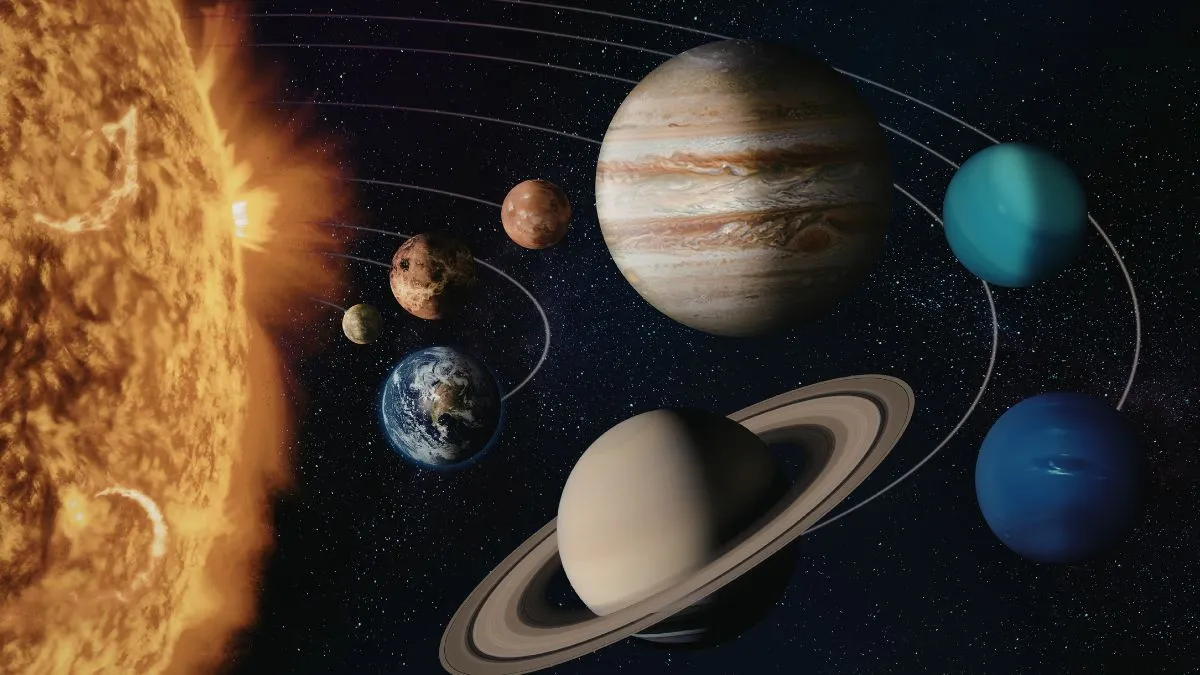
The planets in the solar system have very different atmospheres and temperatures. Some planets are freezing cold, while others are burning hot. The distance from the Sun does play a role in the temperature of the planet but the atmosphere is also a major factor. Scientists study planetary climates to learn how heat gets trapped and distributed. One planet has the highest surface temperature of any planet in the solar system.
Which Is the Hottest Planet in the Solar System?
Venus is the solar system’s hottest planet. Mercury is cooler than Venus, despite being closer to the Sun, because Venus has a thick atmosphere. Venus is a very hot planet . The temperature is nearly the same all over the planet .
Why Is Venus Hotter Than Mercury?
Venus has a thick atmosphere, mostly made of carbon dioxide. This atmosphere traps heat in an extreme greenhouse effect. The heat that enters the atmosphere has no easy way to leave and so it gets hotter and hotter. Mercury lacks a thick atmosphere, so much of its heat escapes back into space. This is the main reason Venus became hotter than Mercury.\
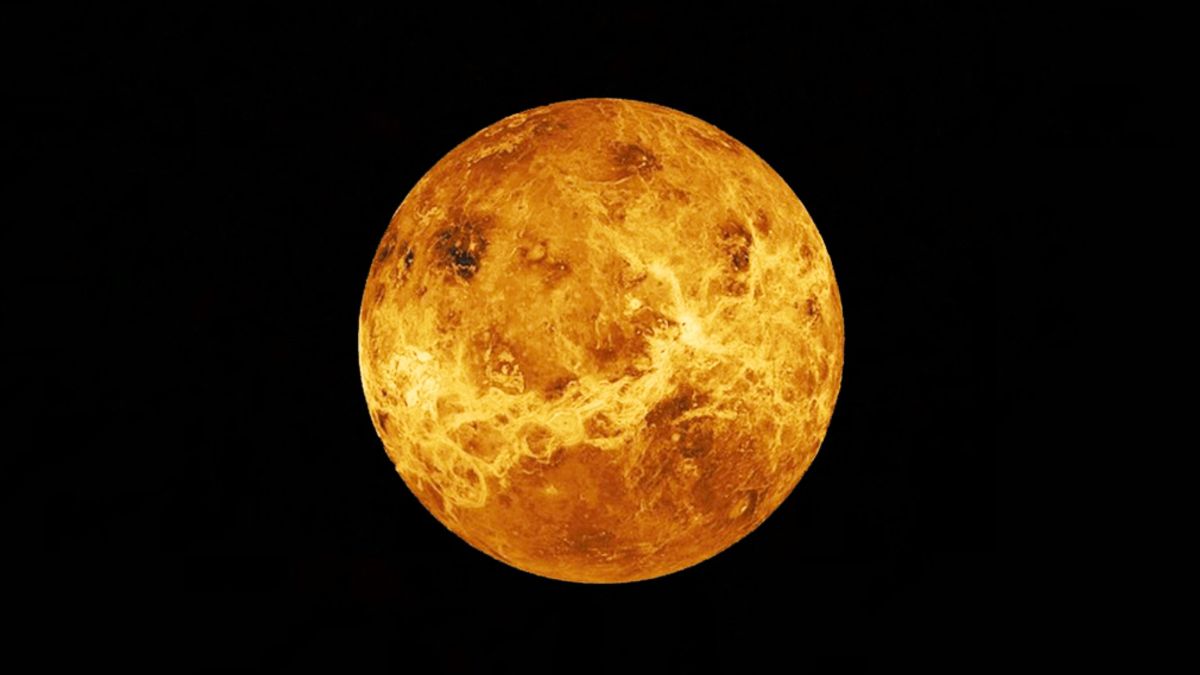
Temperature on Venus
The average surface temperature on Venus is about 465°C. That is a temperature that would melt lead. The thick Venusian atmosphere moves heat all around the planet, making it extremely hot both day and night.
What Is the Greenhouse Effect?
The greenhouse effect is the trapping of heat by gases in a planet's atmosphere. On Venus, carbon dioxide forms a very thick layer of atmosphere that is very good at holding heat. Venus is often studied by scientists to learn more about greenhouse warming and climate systems.
Earth's Twin
Venus is commonly called Earth’s twin since it is alike in size and structure to Earth. Both planets are rocky and have nearly the same diameter. But the conditions in the atmosphere of Venus are much more extreme.
Venus atmosphere
Venus' atmosphere is mostly carbon dioxide and has thick clouds of sulphuric acid. These clouds cover the whole planet and bounce sunlight back. Venus also has a very high atmospheric pressure compared to earth.
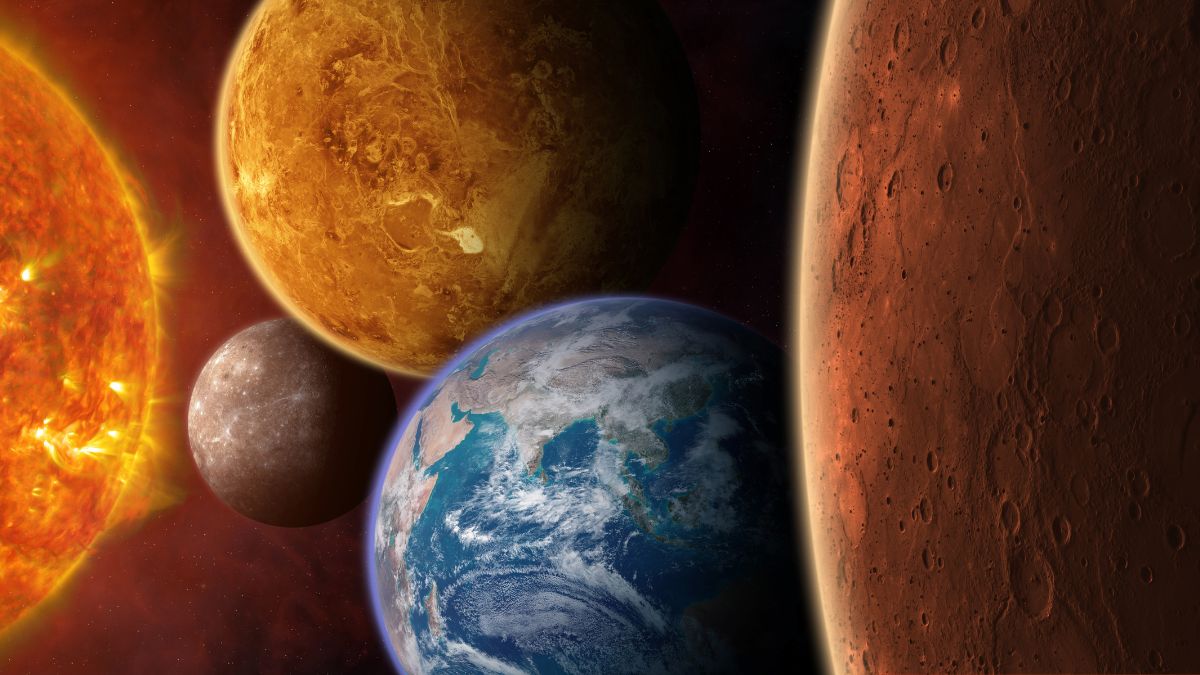
Interesting Facts About Venus
Venus Is the Hottest Planet
Venus has the highest surface temperature of all planets in the solar system. The gases in the atmosphere are thicker and they trap heat all the time. It stays extreme.
Venus Is Similar in Size to Earth
Venus and Earth are often compared because both planets have nearly similar sizes and rocky structures. This is why Venus is sometimes called Earth’s twin.
A Day on Venus Is Very Long
Venus turns very slowly, compared to the Earth. A day on Venus is longer than a year on that planet.
Venus behind thick clouds
Venus is covered by thick clouds of sulphuric acid that hide its surface from direct view. The scientists study the surface with radar technology.
Venus Possesses an Extreme Greenhouse Effect
Venus has one of the worst greenhouse effects in the solar system. It is studied by scientists to understand changes in planetary climates and heating of atmospheres.

Jasreet Kaur is a journalist with 3+ years of experience. Driven and committed, she writes on Trending News, covering both National and International topics. She has previously worked with Zee News as a content writer. Fueled by a desire to see positive growth in organizations, society, and the world.


-1778752068882_t.webp)