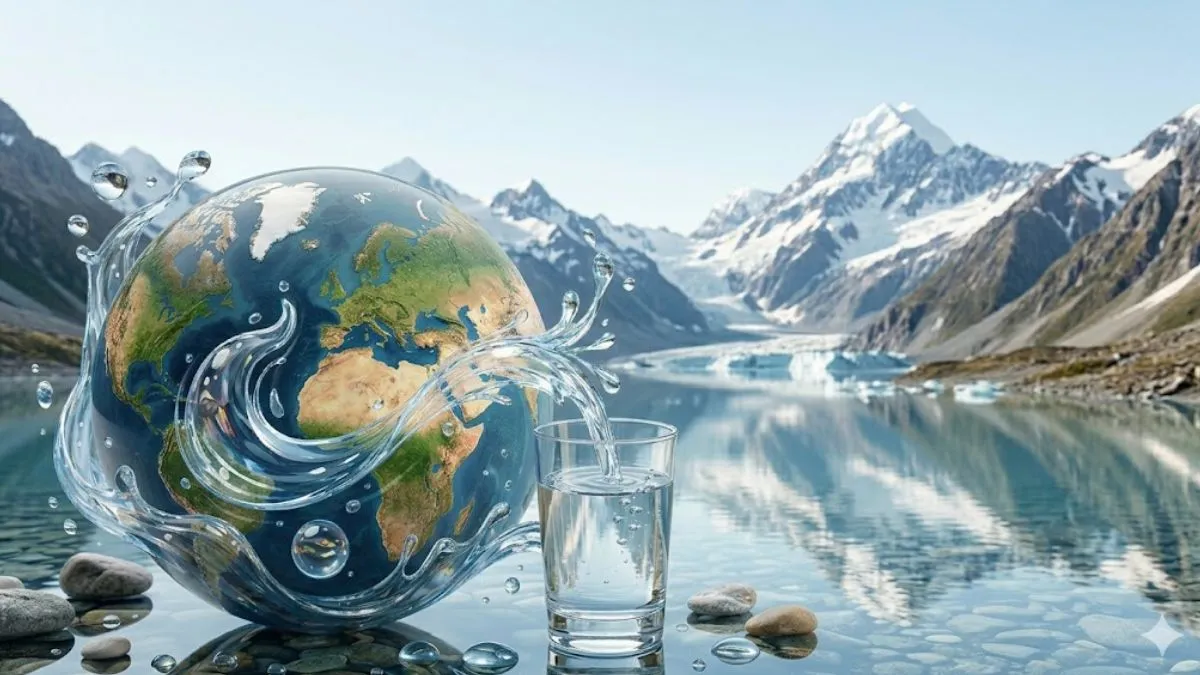
Water is the most essential natural resource for life on Earth, which plays a crucial role in hydration, biological functions, and helps in the ecological balance.
The highest water quality in the world is measurable and, with the cleanest drinking water, enables digestion, regulates the body's temperature, transports the nutrients in the body, and supports agricultural food production.
With all this importance, it is necessary to know which country has the highest water quality in the world, and the highest water quality in the world has emerged as one of the vital aspects that define how the country successfully achieve their clean and sustainable environment, infrastructure, and health.
So, let’s find out the answer to which country has the highest water quality in the world, and also, in this article, explore the Top 10 Countries that have the highest water quality in the world.
Also Read: List of Top 15 Countries With the Cleanest Water in the World: Where Does India Stand? Check Here
Which Country has the Highest Water Quality in the World?
As per the Environmental Performance Index (EPI), the highest water quality in the world is measured under the EPI score, and as per 2024 data from the Environmental Performance Index (EPI), eight countries have the highest water quality in the world, which are:
-
Finland
-
Germany
-
Greece
-
Ireland
-
Italy
-
Switzerland
-
United Kingdom
-
United States of America
Also Read: Top 10 States in India with Best Water Quality
Source: shutterstcok
Which are the Top 10 Countries that have the Highest Water Quality in the World?
The quality of drinking water differs widely across countries due to variation in infrastructure, environmental policies, and public health systems. Countries with the highest water quality in the world have to ensure safe, clean, and easily accessible drinking water for their populations.
These nations maintain strict environmental regulations, advanced purification systems, and sustainable water management practices.
So, here is the top 10 Countries that have the Highest Water Quality in the world, given below in the table format, as this data is as per the Environmental Performance Index (EPI):
| Country | Rank | Score | 10y |
| Finland | 1 | 100.0 | 0.6 |
| Germany | 1 | 100.0 | 5.8 |
| Greece | 1 | 100.0 | 3.8 |
| Ireland | 1 | 100.0 | 11.7 |
| Italy | 1 | 100.0 | 0.4 |
| Switzerland | 1 | 100.0 | 3.2 |
| United Kingdom | 1 | 100.0 | 2.7 |
| United States of America | 1 | 100.0 | 0.9 |
| Norway | 9 | 99.9 | 1.2 |
| Luxembourg | 10 | 99.8 | 4.0 |
How is the water quality measured in the world?
To identify the top-performing nations, the highest water quality is measured by calculating the number of age-standardised disability-adjusted life years (DALYs) lost per 100,000 people due to exposure.
A score of 100 represents countries with the lowest DALY rates globally (at or below the 1st percentile), while a score of 0 reflects countries with the highest rates (at or above the 99th percentile).
The data for this measure are sourced from the Institute for Health Metrics and Evaluation’s Global Burden of Disease study.
What is India’s rank in water quality in the EPI Index?
India’s performance in water quality, as measured by the Environmental Performance Index (EPI), remains a concern despite some recent improvements in overall ranking. The EPI evaluates countries based on environmental health indicators, including access to safe drinking water and sanitation.
In the 2024 EPI, India ranked 144th out of 180 countries, with an overall score of 25.5, who h is highlighting ongoing challenges in water quality and public health.
Here in the table format, India's rank in water quality is given:
| Year | Country | Rank | EPI Score |
| 2024 | India | 144 | 25.5 |
| 2022 | India | 141 | 18.30 |
| 2020 | India | 139 | 19.4 |
In conclusion, water quality remains a key indicator of a country’s environmental health, public safety, and sustainable development. Those nations that rank highest consistently invest in strong policies, advanced infrastructure, and effective water management systems.
While several countries have achieved near-perfect scores, many others, including India, still face significant challenges. Ensuring clean and safe water requires continuous efforts, innovation, and responsible usage. Protecting water resources today is essential for securing a healthier and more sustainable future for generations to come.
For more such GK articles, visit Jagran Josh regularly!



Comments
All Comments (0)
Join the conversation