El Niño and Sugar Prices: How Weather Affects India and the Global Market
El Niño can affect sugarcane production by changing rainfall patterns. Lower sugar supply can push prices higher, while ethanol production, government policies and global demand also influence sugar prices.
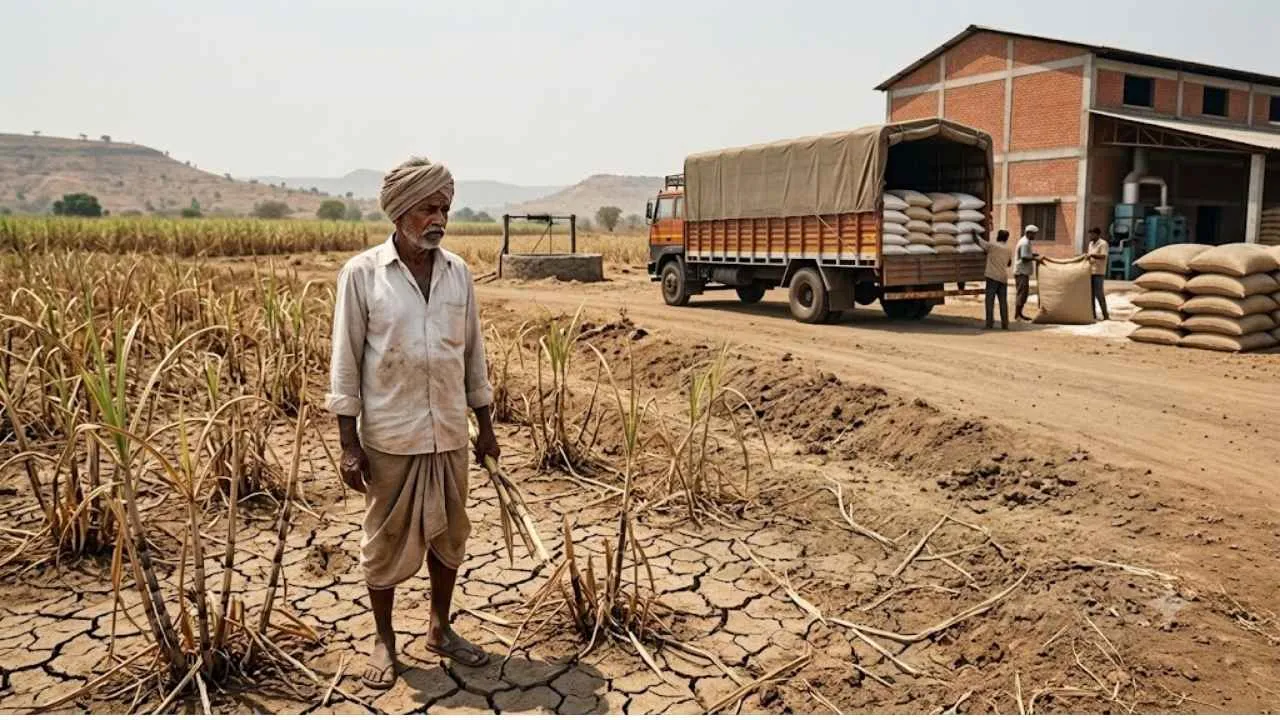
El Niño is a weather pattern that can influence the amount of rainfall and temperature in many parts of the world. In some areas, there is less rain and in others there is a little more. It disrupts the natural rain weather pattern around the world. This year the weather experts even tagged the El Niño more severe than the last many. Weather is an important factor for agriculture because crops need the right amount of water, sun, air and moist to grow.
Sugarcane, and therefore sugar production, depends on abundant water, with little rainfall, yields could decline with a delay of harvest caused, on the other hand, by excess and unscheduled rainfall. Consequently, when sugar production drops and the supply of sugar in the market becomes limited, prices could, therefore, rise.
How El Niño could impact sugar prices in India?
India is in the list of the largest producers and consumers of sugar in the world. As sugarcane requires a lot of water, rainfall plays a major role in its growth. This year with El Niño bringing a weak and low monsoon, water scarcity has become a problem for sugarcane farmers in many states. Maharashtra, Uttar Pradesh and Karnataka are facing lower sugarcane production, leading to less sugar in the market.
-1787557558402.webp) (Google trends of sugar price surge)
(Google trends of sugar price surge)
India is projected to produce approximately 27.9 million tonnes of sugar in the 2025-26 season. The domestic demand shockingly is expected to be around 28.5 million tonnes. This turns into a market facing a supply-demand imbalance. Ultimately, When supply falls while demand remains strong, prices can rise.
The government has permitted the duty-free import of up to 1 million tonnes of raw sugar until 31 Oct to increase the market supply of sugar and to restrain market prices, and it has banned the storage of bulk sugar by users to prevent hoarding and ensure the supply of sugar to the market. (According to Reuters)
Import and export duty on sugar in India
| Policy Area | Standard Rule | New Rule | Conditions & Deadlines |
| Imports | 100% Import Duty | 0% Import Duty | -Capped at 1 million metric tonnes -Restricted to millers/refiners -Must process and sell locally by Oct 31, 2026 |
| Exports | 20% Export Duty (removed 2018) | Strictly Prohibited | -Applies to raw, white, and refined sugar -Total export ban until Sept 30, 2026 |
How El Niño affects global sugar prices?
Effects of the El Niño on sugar production can vary among countries. Saudi Arabia, Indonesia and Germany are not major sugarcane-producing countries, as they have different climates and agricultural conditions.
In India and Thailand, less than expected rainfall has caused water shortages and lower sugarcane production. This has caused a decreased supply of sugar to the world market. Less supply can cause higher prices of sugar.
International traders track weather and sugar production, and this can impact sugar price in the world market.
The Ethanol Factor adding to sugar price surge
Sugarcane is the source of both sugar and ethanol. When more of it is used to produce ethanol, less of it is available for sugar. That’s a dilemma for India.
The country has to ensure sufficient food sugar for its shoppers while at the same time ramping up ethanol production to meet fuel‑blending targets.
The price of sugar in India and worldwide is predominately dependent on weather, sugarcane production, rainfall, supply and demand, and ethanol production. El Niño has modified these factors by slowing sugarcane production. Lower supply causes sugar prices to increase, however sugar prices are also impacted by governmental regulations and global market situations.
Disclaimer: This article is for educational purposes only. Sugar prices can change due to weather, supply, demand, government policies and global market conditions. It should not be considered financial advice.

Aishwarya Samant is a journalist with over 4 years of experience navigating the fast-paced corporate media landscape. She specializes in decoding business news, world economy, personal finance, and stock market trends, often adding a subtle touch of political perspective to keep things interesting.
Having worked with reputed organizations like ZEE, TV9, News24, and NewsX, she is no stranger to the newsroom hustle and the demands of real-time storytelling. Her writing style is fast-paced, engaging, and crafted to connect seamlessly with diverse audiences across platforms. She approaches every story from the reader’s point of view, breaking down complex topics into clear, relatable narratives backed by solid facts and credible sources. While she’s confident in expressing strong viewpoints, she ensures balance with insights. Sharp, fact-driven content that informs, engages, and keeps readers coming back for more.