China’s Brahmaputra Dam: 10 Facts About the World’s Biggest Hydropower Project
China’s mega Brahmaputra dam in Tibet is set to become the world’s largest hydropower project. Know its location, power capacity, cost and impact on India.

China’s hydropower project on the Brahmaputra River is also called the Yarlung Tsangpo in Tibet. It is the world’s biggest hydropower project. The mega dam, being built close to the Great Bend of the river before it enters India, has attracted worldwide attention for its enormous size, energy potential and potential environmental and geopolitical impact. The project is expected to produce huge quantities of renewable energy but has also raised concerns among downstream countries especially India and Bangladesh where millions of people depend on the Brahmaputra River for agriculture, water resources and ecosystems.
10 Facts About the World’s Biggest Hydropower Project
1. It Is Being Built on the Yarlung Tsangpo River
The project is being built in the lower reaches of the Yarlung Tsangpo River in Tibet. It originates in Tibet and enters India through Arunachal Pradesh where it is known as the Siang River before it is known as the Brahmaputra in Assam and Bangladesh. The region is considered one of the most powerful hydropower sites in the world as the river drops a huge amount of elevation as it crosses the Himalayan valleys.
2. It Will Become the World’s Largest Hydropower Project
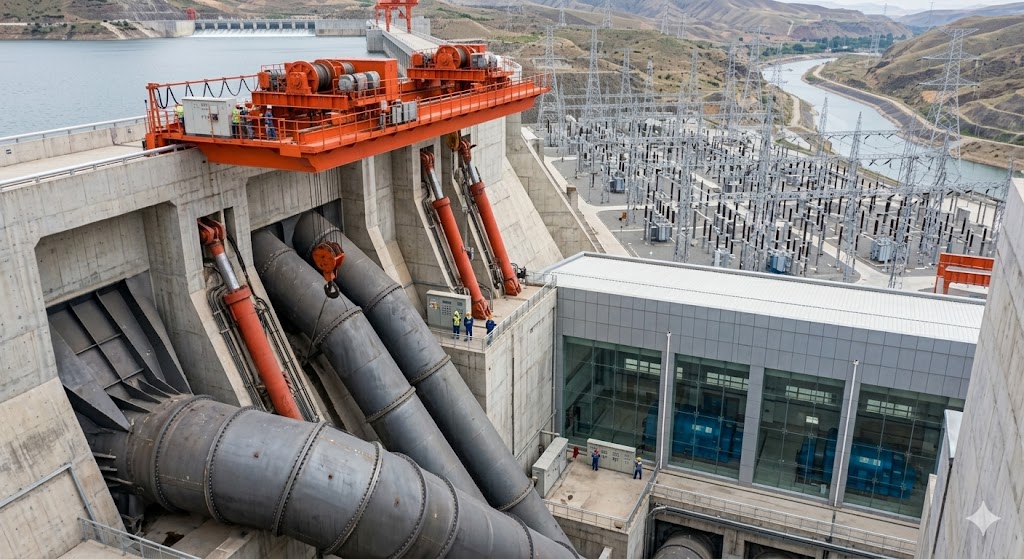
China’s Brahmaputra dam project is expected to become the world’s largest hydropower project, overtaking the Three Gorges dam. The project is planned as a cascade of large hydro power plants, which will harness the great energy potential of the river. When finished, it is expected to produce hundreds of billions of kilowatt-hours of electricity annually. It is a major milestone in the development of renewable energy.
3. Most Expensive Infrastructure Projects in the World
With an estimated cost of around $160 billion, China’s Brahmaputra mega dam is among the most expensive infrastructure projects ever planned. The massive investment reflects the complexity of constructing a large hydropower project in the Himalayan region, which requires advanced engineering, tunnels, power stations, and supporting infrastructure. The project’s scale places it among the biggest and costliest energy projects in the world.
4. It Will Include Multiple Hydropower Stations
Instead of using a single conventional dam, the project will use multiple cascade hydropower stations. These stations will be constructed alongside the river to optimise the energy from the steep terrain and the swiftly moving water. By taking advantage of the topography of the area, China can generate more electricity.
5. The Dam Is Located Near India’s Border
The project is situated in Tibet, close to Arunachal Pradesh and the Indian border. Any significant development upstream has drawn interest from downstream countries because the Brahmaputra is a transboundary river shared by several nations. Because changes in river flow, sediment movement, or water availability could affect areas that depend on the river, India has kept a close eye on the project.
6. Why Is India Concerned?
India has concerns mainly regarding water security, ecological impact and possible change in the flow of river. The Brahmaputra is very important for North Eastern India, especially Assam and Arunachal Pradesh where people depend on the river for agriculture, fishing and their daily needs. Experts have raised concerns about possible effects on sediment flows and downstream ecosystems, although China has maintained the project will not have negative effects on neighbouring countries.
7. The Project Is Located in an Ecologically Sensitive Area
The dam is being built in the Himalayan region, which is known for its rich biodiversity, fragile ecosystem and seismic activity. The nearby Yarlung Tsangpo Grand Canyon is one of the deepest and most spectacular river canyons in the world. Environmentalists have voiced concerns about possible impacts on wildlife, forests and the natural ecosystem of the region.
8. China’s Renewable Energy Push
China has put forward the Brahmaputra dam as part of its renewable energy plans. Hydropower is considered a cleaner source of electricity than fossil fuels and the project is expected to help China speed up its renewable energy capacity. The dam is also part of China's broader ambitions to reduce carbon emissions and meet growing energy needs.
9. It Could Generate More Power Than Three Gorges Dam
Brahmaputra project can generate more electricity than Three Gorges Dam The Three Gorges Dam is currently one of the world's largest hydropower plants, but the new project will generate even more electricity because of the massive flow of the river and geographical conditions, China says.
10. It Has Become a Geopolitical Issue
The Brahmaputra dam is not just an energy project, but a big regional issue. Rivers do not respect political boundaries and large infrastructure projects on shared rivers often create discussion on water management and cooperation. Both India and Bangladesh have been watching the development closely as the Brahmaputra is vital to the lives and economies of millions of people.

Jasreet Kaur is a journalist with over 3 years of experience in digital media and news content creation. She specializes in covering Trending News, including major National and International developments, with a focus on delivering accurate, engaging, and reader-friendly stories. Prior to this, she worked with Zee News as a Content Writer, where she gained extensive experience in news reporting and content strategy. Driven by curiosity, credibility, and a passion for impactful journalism, Jasreet aims to contribute to informed public discourse while supporting positive growth in organizations, society, and the world.


