Top 7 Animals That Can See The Magnetic Fields Of Earth
Some amazing animals have a special sense that helps them detect the Earth's invisible magnetic field. This ability lets them travel thousands of miles with remarkable accuracy. Here are top 7 creatures with this fascinating skill.

Imagine you step outside, but instead of pulling out your phone to check Google Maps, a glowing, invisible grid is just floating right there in your field of vision, showing you exactly where north is. Sounds like a sci-fi movie, right? But for a lot of animals, that's just a normal Tuesday.
Our planet is wrapped in a massive, invisible magnetic field. It's the same shield that blocks deadly solar radiation from frying the planet. Some animals have serious quantum and chemical tech under the hood that lets them read these lines plain as day. In this article, we'll take a look at the spectacular ways animals navigate using this hidden superpower.
What is Magnetoreception? Top 10 Animals That Sense Earth's Magnetic Field
Don't let the clunky name scare you off. Magnetoreception is just the scientific term for a biological "sixth sense" that lets an animal pick up on the Earth's magnetic forces.
Instead of carrying around a metal compass like a hiker, these animals have built-in, microscopic sensors inside their cells that tell them their direction, how high they are, or their exact coordinates on the globe.
| Animal | Scientific Name | Found In | How Do They Sense Electromagnetic Fields? |
| European Robin | Erithacus rubecula | Europe, Asia, North Africa | Special eye proteins called cryptochromes |
| Loggerhead Sea Turtle | Caretta caretta | Worldwide oceans | Iron-based particles and visual pathways |
| Sockeye Salmon | Oncorhynchus nerka | Northern Pacific Ocean | Microscopic magnetite crystals in the nose |
| Homing Pigeon | Columba livia domestica | Worldwide (domesticated) | Magnetite in the beak and inner ear cells |
| Monarch Butterfly | Danaus plexippus | North and South America | Light-sensitive cryptochromes in antennae and eyes |
| Honeybee | Apis mellifera | Worldwide | Magnetic granules located inside the abdomen |
| Hammerhead Shark | Sphyrna mokarran | Tropical and warm oceans | Electroreceptors called Ampullae of Lorenzini |
| Red-spotted Newt | Notophthalmus viridescens | North America | Light-dependent receptors work with vision |
| Big Brown Bat | Eptesicus fuscus | North America | Microscopic iron-based magnetic compasses |
| Fruit Fly | Drosophila melanogaster | Worldwide | Cryptochrome proteins in the visual system |
1. European Robin

The European Robin (Erithacus rubecula) might look like a cute, chubby garden bird, but it's low-key an elite navigator. Sitting at Least Concern on the IUCN red list, these little guys live about 2 to 5 years. Here is the mind-blowing part: 100% of migratory robins use a highly specialised protein called Cryptochrome 4 (Cry4) inside their eyes to travel.
This special protein is active in their retinas, meaning they literally "see" the magnetic lines as patterns of light and shade superimposed on their vision. They use this amazing skill during their yearly migrations across thousands of kilometres to find warm wintering grounds. By reading the slant of the magnetic field, they never get lost.
2. Loggerhead Sea Turtle
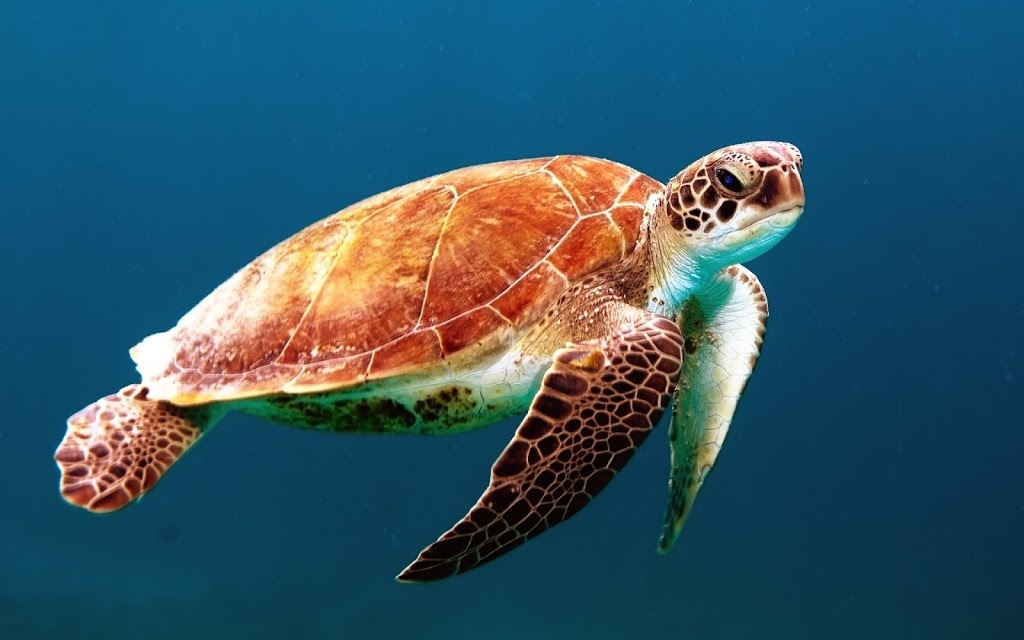
The Loggerhead Sea Turtle (Caretta caretta) is a giant of the ocean, currently listed as Vulnerable. These guys are in it for the long haul, often living 70 to 80 years. Instead of just one sensor, loggerheads use a brilliant mix of visual pathways and microscopic, magnetic iron crystals in their bodies.
When baby turtles scramble off the beach into the waves, this internal map kicks in instantly. It gives them a 100% success rate when navigating the massive, swirling North Atlantic Gyre currents. They use this perfect memory to pinpoint the exact beach where they hatched decades earlier.
3. Sockeye Salmon
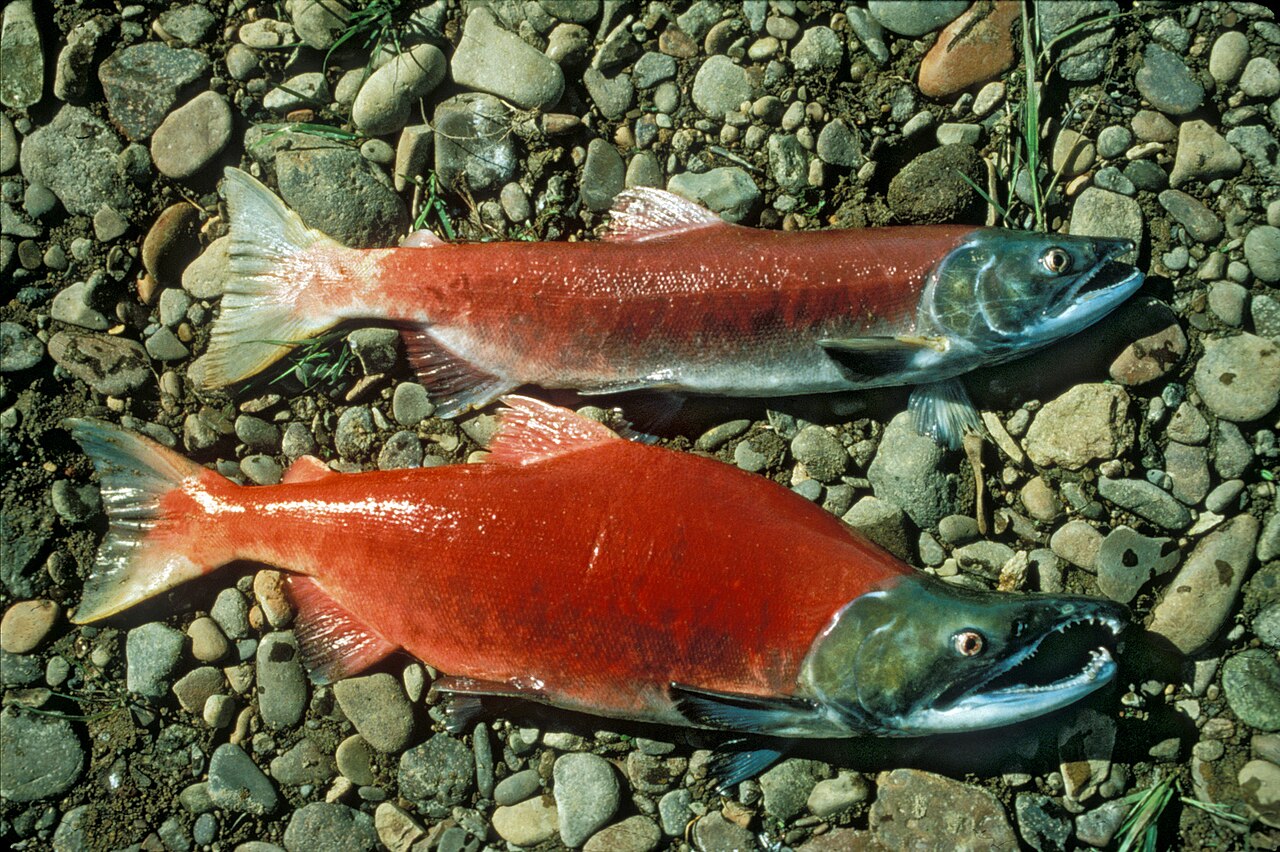
The Sockeye Salmon (Oncorhynchus nerka) is a tough-as-nails Pacific fish with a short, intense 3- to 5-year lifespan. While overfishing and climate change mean their populations are constantly shifting, their internal GPS remains unmatched.
Salmon have literal pockets of magnetite—a highly magnetic natural mineral—tucked right inside their noses. This tiny internal compass connects straight to their brain. Sockeye salmon utilise this hardware to cross thousands of miles of completely featureless ocean water. It guides them back to the exact river mouth where they were born with near 100% accuracy.
4. Monarch Butterfly
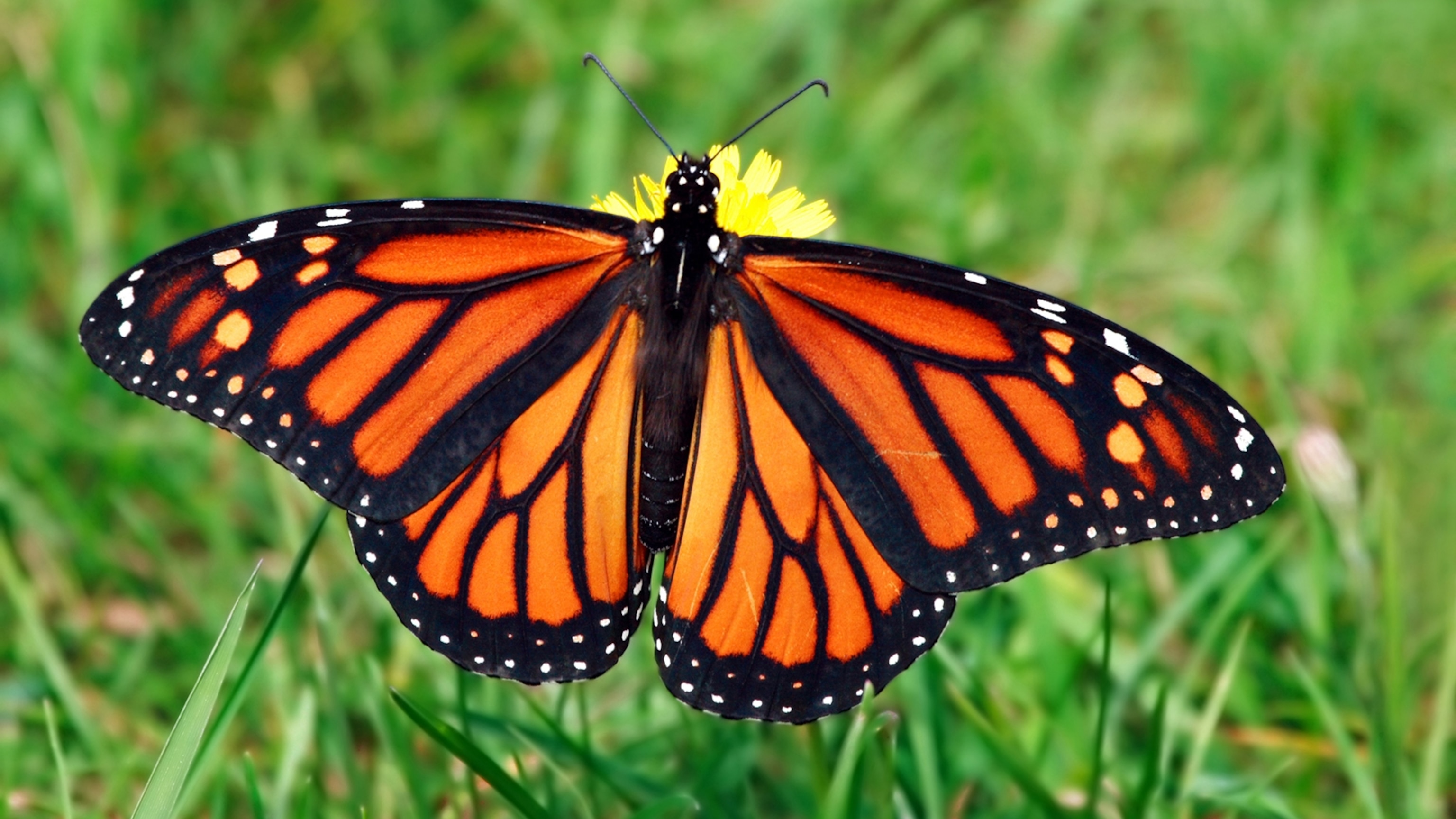
The Monarch Butterfly (Danaus plexippus) is an absolute marvel of endurance, though sadly listed as Endangered in many migratory regions. The specific generation that flies south has a lifespan of about 8 months.
To make their legendary 4,000-kilometre trek from Canada down to the forests of Mexico, they rely on light-sensitive cryptochrome proteins in their eyes and antennae. They don't just rely on the sun; they use this magnetic backup system to keep flying straight, even on completely overcast days when the sky is grey.
5. Homing Pigeon
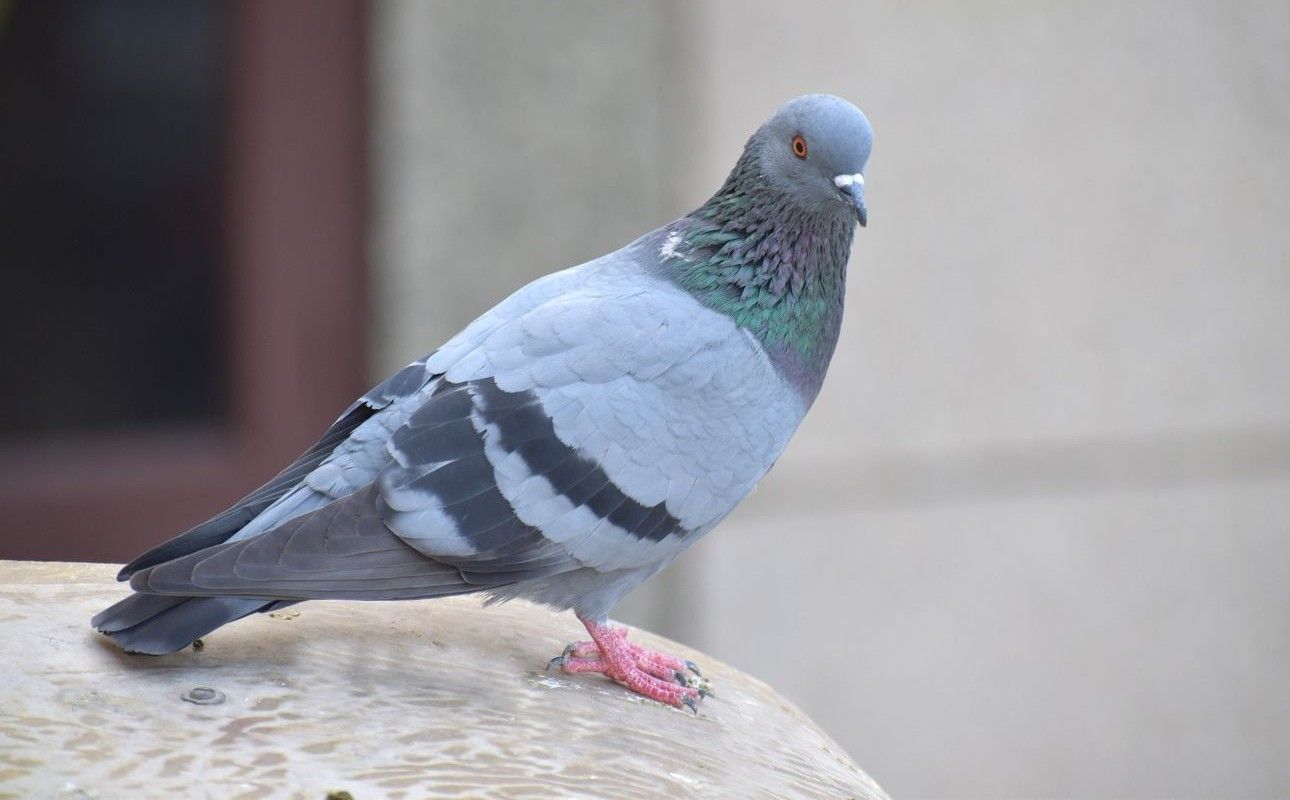
The Homing Pigeon (Columba livia domestica) is the original GPS, living around 3 to 5 years in the wild. Pigeons have dense clusters of iron-rich magnetite particles packed into their upper beaks and inner ears.
It acts like a highly sensitive antenna. Instead of just knowing north from south, pigeons use this to map out tiny, local changes in the Earth's crust. This gives them an incredible ability to find their way back home over 90% of the time, even if scientists completely blindfold them or release them in pitch-black darkness.
Conclusion
At the end of the day, nature is operating on a level that humans are still trying to decrypt. The fact that a butterfly or a sea turtle can read the invisible forces of our planet to travel across oceans is just mind-boggling. Magnetoreception isn't just a cool party trick; it is a literal lifeline for these species. As our own technology gets better, it lets us see just how fragile and interconnected these animal highways really are.

Kriti Barua is a skilled digital journalist and communications professional with 4+ years of experience, currently writing for the General Knowledge section at Jagran New Media. She has established herself as a subject matter expert in History, Geography, Trending National and International News, Sports, Science, and Defence, producing clear, reliable, and search-optimised content that connects with readers worldwide.
Kriti holds a BA degree from Delhi University and a one-year diploma in TV Production and Journalism, an academic background that adds research depth and strong storytelling instincts to her writing. Her experience spans brand writing, content marketing, and digital media, giving her a sharp understanding of what makes content both helpful to readers and visible in search.
At Jagran New Media, she applies this expertise to national and international news coverage, query-based articles, and in-depth pieces across her specialist subject areas. Her content is defined by easy language, factual accuracy, strong keyword strategy, and reader-friendly storytelling.


-1781784905978_t.webp)
