Census 2027: Why India Is Dropping the 'Beggars and Vagrants' Category And What It Means
Why Census 2027 is dropping the 'beggars and vagrants' category for the first time in India. Learn about the shift in data collection, social stigma and what this means for national statistics.
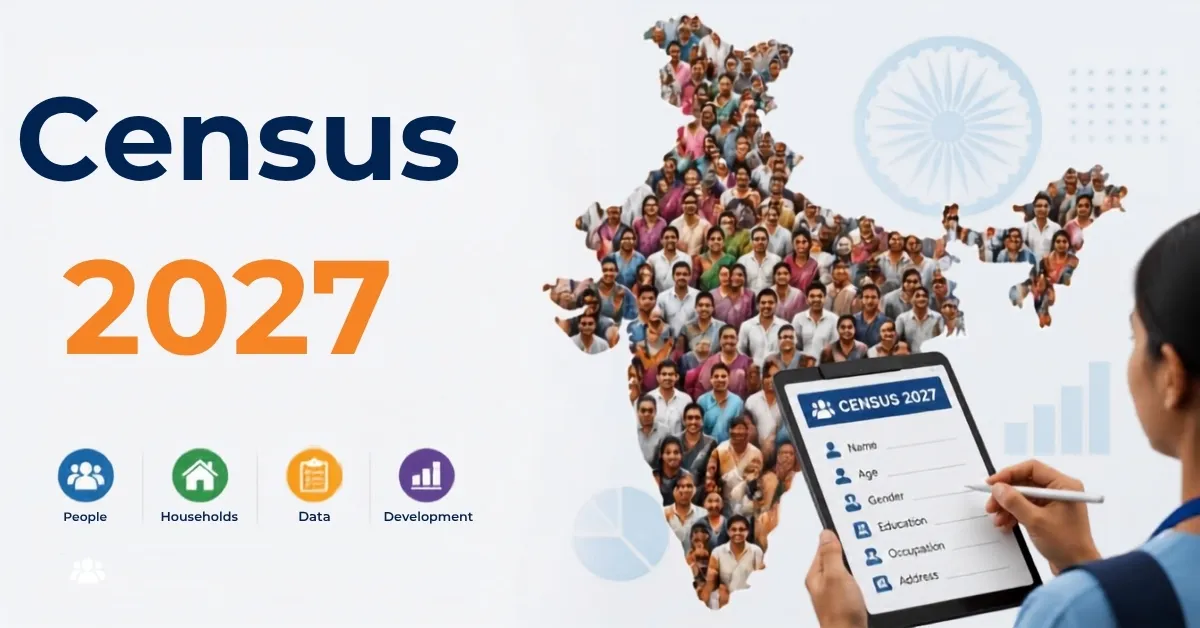
For the first time, the government will not conduct a separate count of beggars during the census in India. Earlier census exercises had classified beggars under the category of “non-economic activity”.
As the preparation for the upcoming census of the people get underway. The Census 2027 has decided to put aside the practice of separate counts of people under the "beggar" category for the survey this year.
The Background: What did past Censuses Show?
To determine reason behind this change taking place we need to take a step back and analyse the way data has been previously gathered. In previous occurrences including the census data of 2011.
Those individuals who rely on begging had been categorized under marginal and non-workers engaged in “non-economic activity,” along with the likes of students, pensioners, dependents and homemakers.
Nevertheless, numbers from official reports dating back decades have brought a few surprises for statisticians as far as the extent of underreporting was concerned such as:
-
Census 1991: Approximately 5.4 lakh people were identified under this category.
-
Census 2001: Around 6.3 lakh people were reported.
-
Census 2011: Approximately 413,670 people were identified (221,673 men and 191,997 women) which later translated to around 3.8 lakh in terms of non-worker and marginal worker distribution.
Authorities belonging to the government and agencies have been aware of the fact that numbers have not been inclusive of the true picture of the country’s dispossessed and displaced groups.
Why Is Census 2027 Dropping the 'Beggars and Vagrants' Category?
The removal of this classification from the Census comes down to the validity of data and social reality. The Census process is all about self-reporting with enumerators noting down people's work based solely on respondents' statements.
There are several important reasons behind this shift in policy:
-
Societal Stigma: Since begging is considered a stigmatised behavior that can get people into legal trouble in many parts of the country, respondents tend to avoid referring to themselves or their family members as "beggars or vagrants".
-
Adoption of Other Category: From now on, those classified as beggars or vagrants will be placed into an "other" category.
-
Lack of Detailed Categorisation: Because of unreliable self-reporting, finer details like age, religion or education level of beggars will not be included in the Census anymore.
Other Major Revisions in the Census 2027 Questionnaire
The elimination of the beggars’ classification is not the only development in the Census 2027 questionnaire. The government has changed and updated various features of the census making it more relevant to the prevailing socio-economic trends:
-
Addition of Natural Calamities: In tracing migrations, "natural calamities" has been added as a formal reason for relocating in addition to other standard causes such as work, business, education, marriage and internal displacement.
-
Details of Parents: In order to register all trends in generation-sharing and religion interconnectedness.
-
The questionnaire will feature new categories capturing both the date and the place of birth of the parents.
-
Integration of Digital and Document Information: The questionnaire will request such data as mobile phone numbers, Aadhaar, Voter IDs and passports (when available) using privacy technologies to assess the readiness of the public to provide digital ID data.
What does this mean for India's Data and Welfare Policies?
According to experts, administrative datasets, including targeted welfare programs, urban housing initiatives and specialized livelihoods programs are likely to give a better estimate of the levels of poverty than any self-reported data from census on a decennial basis.
Having removed an indicator that can be terribly distorted and concealed due to the impact of shameful attitudes, the Census 2027 seeks to eliminate an array of statistical inconsistencies and instead provide insights using more reliable measurement tools.
In the end, this becomes a significant turning point for traditional data collection approaches used in the country as the shift toward a more practical data management policy begins.

Manisha Waldia is a distinguished content strategist with 5 years of experience crafting premium educational content for UPSC and State PCS, with a focus on deep conceptual analysis across Polity, Geography, History, and Environment. She currently brings this expertise to Jagran Josh, where she covers major national and international events, current affairs, and static general knowledge. Over her career, Manisha's specialized insights have led her to curate high-impact materials and serve as a UPSC Mains answer-evaluator for India’s top institutes—including Drishti IAS, Shubhra Ranjan IAS, Study IQ, GS Score, and PWonlyIAS. She has also worked alongside leading NGOs like Oxfam India and Avani Kumaon.
Contact: manisha.waldia@jagrannewmedia.com