Show Key Points
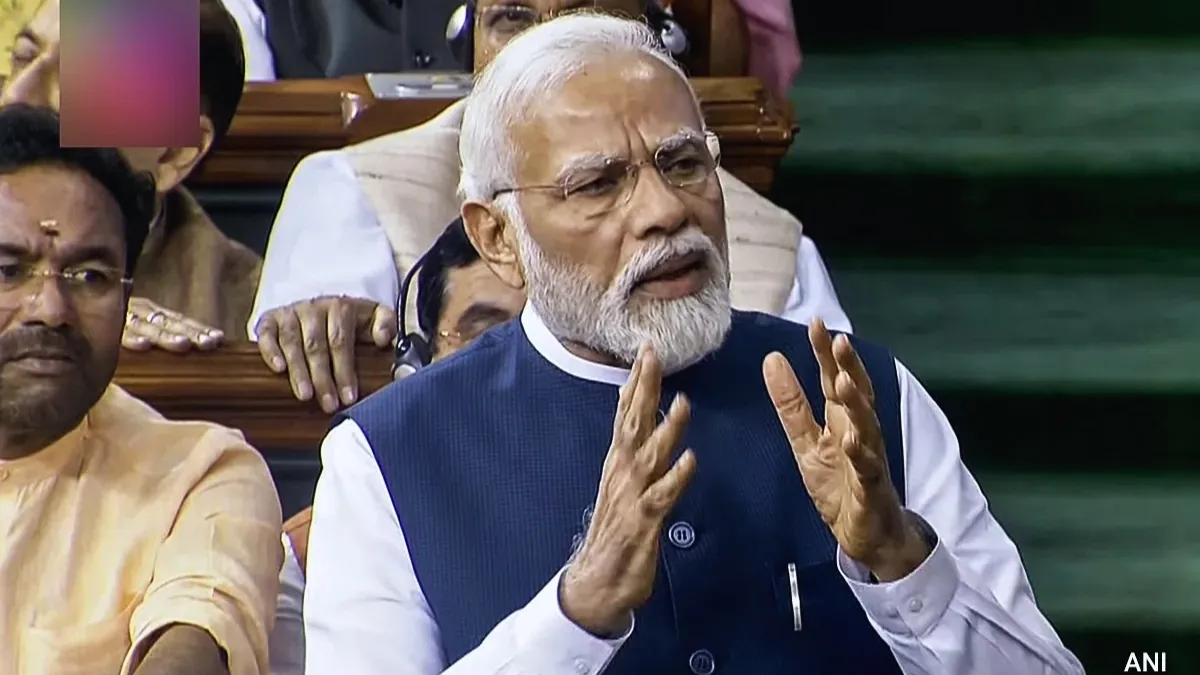
Prime Minister Narendra Modi addressed the Lok Sabha today during the ongoing Budget Session, highlighting India’s stance on the US-Israel-Iran conflict. The Prime Minister emphasized India's commitment to diplomacy while outlining strategic measures to safeguard the nation’s economy, Cyber Security, and Security of Coastal areas and protecting India's energy interests.
Key Highlights of PM Modi’s Parliament Address on West Asia Conflict:
1. Diplomatic Stance: The Prime Minister Narendra Modi reiterated India’s long-standing position that conflict serves no humanitarian interest where Pm Modi stated the '' War is not the Solution".
-
PM Modi stated that "dialogue and diplomacy are the only solutions" to the West Asia crisis and focusing on Diplomacy and De-escalation.
-
revealed that he has held two rounds of discussions with various West Asian leaders to advocate for peace and ensure the safety of the Indian diaspora.
-
Acknowledging the global nature of the crisis, and volatility, he noted that while the world is affected, India is working to ensure least impact on India.
2. Maritime Security and the Strait of Hormuz Crisis: PM Modi focused on the disruption of global trade routes, specifically the Strait of Hormuz.
-
Non-Negotiable Access: The Prime Minister sent a clear message to global stakeholders, stating that "attacks on commercial shipping and the disruption of the Hormuz Strait are not acceptable."
-
Shipping Protection: The government is actively monitoring shipping routes in the Gulf to ensure that vessels carrying oil, gas, and fertilizers reach Indian shores without interference.
3. Energy Security and Diversification: The Prime Minister highlighted India’s strategic shifts in energy procurement over the last decade to mitigate the risk of supply chain disruptions
-
India has expanded its energy sources from 27 countries to 41 countries to reduce dependency on any single region and focusing on diversifying India's Imports.
-
The PM confirmed that India maintains a strategic petroleum reserve of 53 lakh metric tonnes to handle short-term emergencies.
-
60% of Liquified Natural Gas (LPG) imported on priority basis to prevent the domestic household shortages.
-
India is focusing on Long-term policies like ethanol blending (cutting 4.5 crore barrels of oil imports annually), railway electrification and deployment of 15,000 e-buses to reduce dependency on fossil fuels.
4. Protection of Indian Nationals: The safety of the approximately 1 crore (10 million) Indians living and working in the Gulf region remains India's top priority.
-
PM Modi reported that 3.75 lakh Indians have already returned safely, including 1,000 from Iran with over 700 medical students and acknowledged with regret that some Indian nationals have lost their lives in the conflict zone and assured that those injured are receiving medical care.
-
India has established round-the-clock helplines and 24/7 assistance desks through Indian missions across West Asia to provide immediate relief and information to the diaspora.
Speaking in the Lok Sabha. https://t.co/BIrR385m4O
— Narendra Modi (@narendramodi) March 23, 2026
6. Economic Resilience and Domestic Stability: The Prime Minister noted that the "fundamentals of the Indian economy remain strong," which provides a buffer against global volatility and expressed confidence in the Indian economy.
-
Food and Power Security: India’s strategic food and fuel reserves are being managed to prevent any "shocks" to the common man, specifically protecting the interests of farmers and low-income households.
-
Highlighted the role of six recently established urea plants to maintain fertilizer supply for farmers.
-
The PM warned against black marketeering and the spread of lies regarding commodity shortages, urging state governments to take strict action.
7. Strengthening the National Security and Cyber Vigilance: PM Modi confirmed that all security agencies including border and cyber security are on high alert to ensure the safety and security of the nation and its citizens.
PM Modi addressed Parliament on the Middle East conflict, emphasizing India's diplomatic stance and commitment to de-escalation. He highlighted measures for maritime and energy security, protecting Indian nationals abroad, and ensuring economic resilience. Modi stressed dialogue as the solution, detailing efforts to safeguard India's interests amidst global volatility, including cyber security and coastal protection.



Comments
All Comments (0)
Join the conversation