SC Rejects Age-Based Ban on Internet, Access to the Internet Fundamental Right says Apex Court
SC has rejected the age-based ban on internet access, stating that internet access is a fundamental right of everyone, including children. Regulations should be brought to handle child sexual abuse material, SC adds.
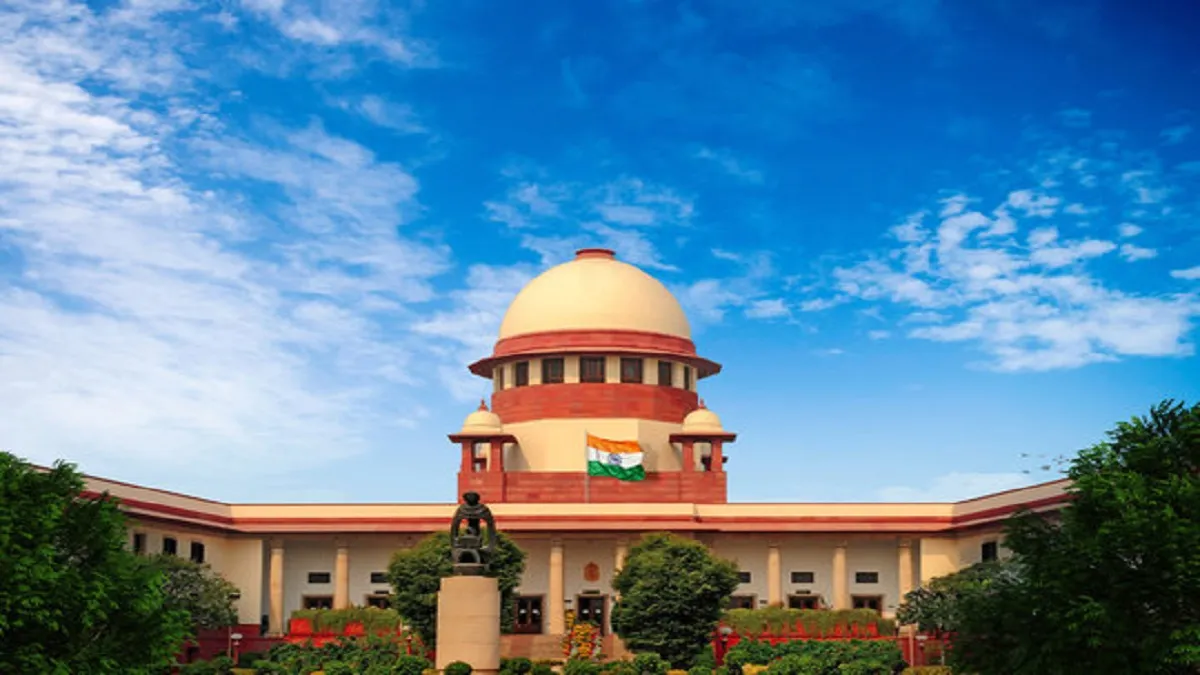
The Supreme Court of India has rejected blanketed age0based ban on internet access. As per reports, the court has stated that children enjoy the fundamental right to access and use the internet. The court has, however, called for a stricter framework to protect them from online sexual abuse, including fastere detectuion nd removal of child sexual abuse material across platforms.
The apex court mentioned the childrens safety and freedom to use the internet were not at odds with each other, and denying them internet access altogether would be unreasonable. The court, however, highlighted that precautions must protect children without taking away their right. The court has also warned that age-based restrictions could push children towards unregulated and potentially more dangerous websites. The court also pointed out that children who are enticed or threatened online may also hesitate to report incidents to parents or adults for fear of punishment for violating the restrictions.
The statements from the Supreme Court came after two weeks of the Centre mentioning its plan to amend the IT intermediary rules to restrict internet access for children under 18. The Andhra Pradesh Minister Nara Lokesh stated that the government was planning to ban social media use by children under the age of 16. This came days after Australia implemented a similar ban on social media accounts for children in the country.
Also Read: AICTE Post Doctoral Fellowship 2024-25: Registration Deadline Extended to November 15
The court expressed its concerns over the continued circulation of child sexual abuse material online despite existing guidelines and criticised regulatory authorities on social media intermediaries for failing to take earnest steps to protect victims.
Reports were also placed before the court flagging alleged paid promotions of child sexual abuse material through redirect links and websites on social media platforms. The court also said that existing mechanisms for reporting and removing such materials remained dependent largely on individuals' complaints. If one platform detects and removes the materials, the same content is not automatically flagged across multiple platforms, which could delay its removal and allow it to continue circulating online.
The Supreme Court also issued a detailed direction to the Centre and the internet and social media platforms to strengthen the detection and removal of child sexual abuse material. The court has directed the Centre to frame guidelines for national databases of perceptual hashes and URLs which would help the platforms to identify matching materials across services and improve coordinated detection and removal. The court has also called for extensive awareness programmes and sensitisation to begin at the primary school level, with the aim is to help children understand online risks and encouraging them to seek help when they encounter abuse or threats. The directions also seek to address the circulation of abusive materials while protecting children's constitutional freedoms, ensuring that mechanisms designed to safeguard them do not lead to restrictions or wrongful removal of content

Sherin is an education journalist with over 7 years of experience. Over her tenure of working with top media houses like Careers 360 and then Jagran Josh, Sherin has covered various entrance examinations liek JEE Main, NEET, CUET, GATE, etc. as well as various state board and CBSE results. Her understanding of the education ecosystem coupled with her own experience of teaching as an Assistant Professor of nearly 2 years helps her provide a comprehensive perspective to students. She has a Masters Degree in Communication from Madras Christian College. Apart from covering education news, Sherin also enjoys reading and cooking.


