Delhi University Hostel Expansion Plan 2026: DU to Consider Rs 8,000 Crore Project for Over 30,000 Students
Delhi University will consider an Rs 8,000 crore hostel expansion plan on October 13, 2026, aimed at providing accommodation to over 30,000 students.
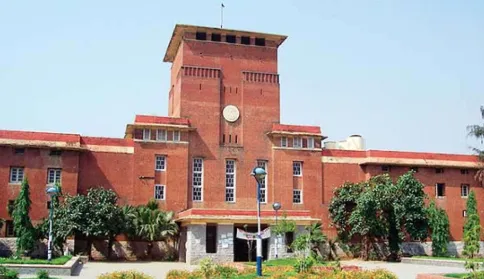
The University of Delhi (DU) is set to consider a major hostel expansion plan aimed at adding accommodation for more than 30,000 students. The proposal will be taken up by the university’s Executive Council (EC) at its meeting today, October 13, 2026. The plan includes construction of new hostels as well as redevelopment of existing accommodation facilities across DU campuses.
The proposed hostel projects have a combined estimated cost of around Rs 8,000 crore. Of this, projects worth Rs 5,157 crore are planned for new hostel construction, while nearly Rs 3,000 crore has been earmarked for demolition and reconstruction of existing hostels.
DU Hostel Expansion 2026: Over 30,000 Students to Get Accommodation
According to the proposal, new hostel buildings will be developed at the Dhaka Complex, Najafgarh and Surajmal Vihar campuses. The new construction projects are expected to provide accommodation to 20,594 students.
The Dhaka Complex will account for the largest share of the proposed new accommodation. Two Y-shaped hostel buildings, one for male students and another for female students, have been proposed with a capacity of 4,836 students each. Each project is estimated to cost around Rs 1,130 crore.
The university has also proposed dedicated accommodation for working women and women students at the Dhaka Complex. Two such projects are planned with a capacity of 1,674 residents each, with an estimated cost of Rs 400 crore per project.
Delhi University Hostel Expansion: Key Projects
| Location/Project | Proposed Capacity | Estimated Cost |
| Dhaka Complex- Girls Hostel | 4,836 | Rs 1,130 crore |
| Dhaka Complex- Boys Hostel | 4,836 | Rs 1,130 crore |
| Nirbhaya Working Women Accommodation | 1,674 | Rs 400 crore |
| Women Accommodation II | 1,674 | Rs 400 crore |
| Dhaka Complex UG Hostel | 3,162 | Rs 678 crore |
| East Campus, Surajmal Vihar | 2,340 | Rs 725 crore |
| Najafgarh/West Campus hostels | 2,072 | Rs 694 crore |
Jubilee Hall, PG Men's Hostel to Be Redeveloped
Apart from constructing new hostels, Delhi University is also planning to demolish and rebuild some of its existing accommodation facilities. The redevelopment proposal has a combined capacity of more than 10,000 students.
The iconic Jubilee Hall Hostel is proposed to be replaced by a 32-storey building with accommodation for around 3,800 students. The project has an estimated cost of Rs 1,225.59 crore.
The PG Men's Hostel is also proposed to be redeveloped into a high-rise structure with a capacity of around 2,337 students. An International Student House is another facility proposed for reconstruction, with a planned capacity of 3,300 students.
Why DU Is Expanding Hostel Facilities
The proposed expansion comes amid concerns over the shortage of affordable and safe accommodation for Delhi University students. DU has more than 2.5 lakh students, while its existing hostel capacity is limited to only a small fraction of the total student population.
The need for additional student accommodation has received renewed attention following the September 6 Satya Niketan PG building collapse, which highlighted concerns over the safety of private accommodation used by students in Delhi.
Also Check:

Apeksha Agarwal is an Education Journalist with over 3.5 years of experience. She covers a wide range of topics, including school board examinations, entrance tests, admissions, results, scholarships, and higher education updates. Over the years, she has closely tracked major examinations such as JEE Main, NEET UG, CUET, and various state-level entrance exams, helping students stay informed throughout their academic journey. Apeksha has a Master's degree in Journalism and Mass Communication and a certificate in Digital Journalism. She is passionate about transforming complex educational developments into clear, accessible, and useful information. Her reporting focuses on providing students, parents, and educators with accurate updates and practical insights on examinations, results, and policy changes. She believes that quality education journalism can make a meaningful difference by helping students make informed decisions about their future.



-1791867481027_t.webp)