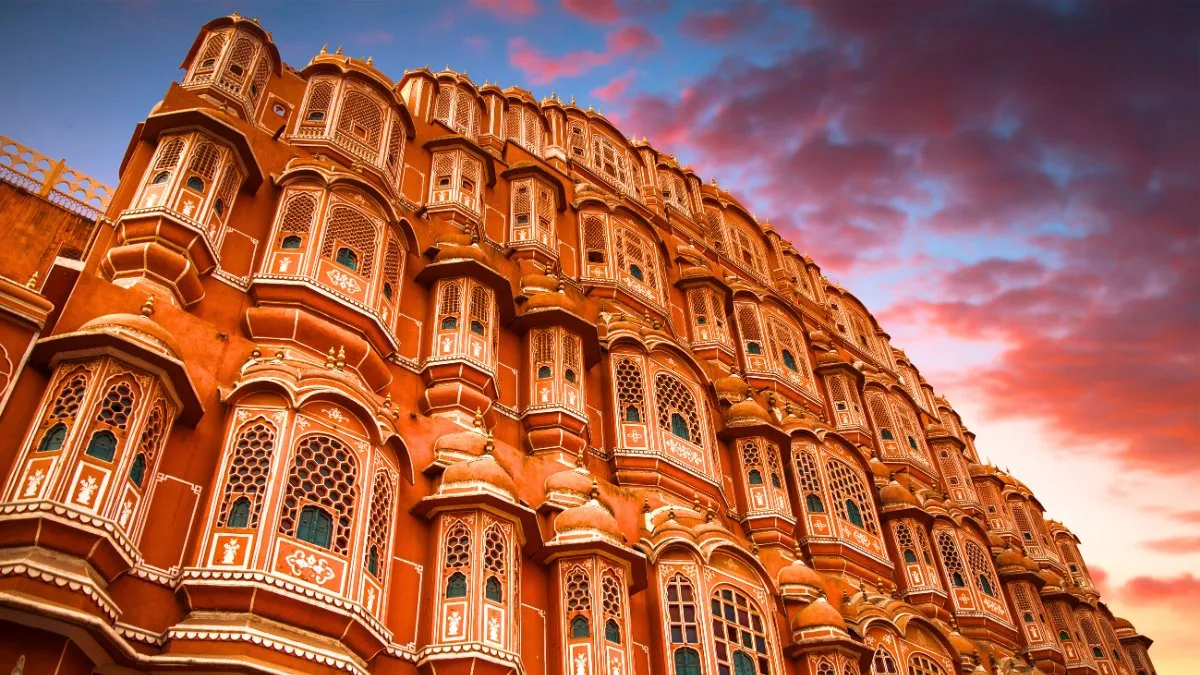
The capital of Rajasthan is Jaipur, and it is known all over the world as the pink city. This distinctive color determines the character of the old heritage area of the city. Painting the city pink started in the late 19th century when the city was under British colonial rule. The city is now one of the important historical and cultural sites in India.
What is the reason why Jaipur is referred to as the Pink City?
Jaipur was given this name under the instruction of Maharaja Sawai Ram Singh II to have the whole city painted pink in 1876. This he did to receive Prince Albert, the Prince of Wales, and since pink was considered the color of hospitality. Local law now continues the tradition to retain the historic character of the city.
Royal Decree of 1876
The color change was primarily caused by a royal visit by the Prince Albert, the Prince of Wales. Maharaja Sawai Ram Singh II was keen to impress the British royal family when they toured India in 1876. Pink was then commonly considered as the color of hospitality and warm welcome.
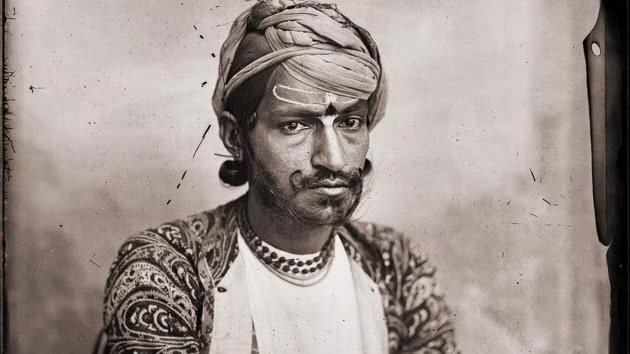
Source: Maharaja Sawai Man Singh II Museum, City Palace, Jaipur/ACP
The Maharaja had all the public buildings and residential houses within the walled city to be painted in terracotta pink colour. This enormous work produced a monotonous and impressive effect. The Prince of Wales is said to have been much impressed by the sight. This made Jaipur to be referred to by the favorite wife of the Maharaja as the Pink City.
Cultural Significance of Pink
You should be familiar with the Indian symbolism of pink in order to comprehend the choice of color. In addition to being a hospitality color, the earthy pink or gerua color is a symbol of the sandstone with which local buildings are made. The shade gives a cooling effect in the hot desert of Rajasthan.
It also gives unity to the various architecture of the city. The application of this particular pigment was a representation of the pride of the city and aesthetic discipline.
The Pink Hue under Protection of the Law
Today Jaipur still retains its pink colour due to stringent local government policies. In 1877 a law was enacted by the Maharaja that prohibited the painting of buildings in the old city in any other color. This law is still enforced by the Jaipur Municipal Corporation.
These are the guidelines that should be adhered to by shopkeepers and residents in the heritage area during renovations. This legal set up ensures that the city is able to maintain its historical identity as a tourist and heritage conservation site.
Jaipur and UNESCO World Heritage Status
Jaipur was declared a World Heritage Site by UNESCO in 2019. The organization referred to the outstanding urban planning and the uniformity of the architecture in the city. This global recognition was a significant aspect of the pink color.
The architecture of the city is a blend of ancient Hindu, Mughal and western influences. This mixture can be seen in such buildings as the City Palace and the Jantar Mantar.
What shade of pink is Jaipur?
It is really a terracotta pink or earthly reddish-brown. It is often referred to as "gerua." This colour was selected as it resembles the natural colour of sandstone and is used to represent hospitality in Rajasthani society.
Who was the founder of Jaipur city?
Maharaja Sawai Jai Singh II founded the city in 1727. He was a great scholar of astronomy and mathematics. He transferred the capital of Amer to Jaipur because of water shortage and increasing population.
Is it mandatory for all buildings in Jaipur to be pink?
No, it is only the historic "Walled City" or the Old City area that is subject to the rule. Modern parts of Jaipur do not have this requirement. The color is however used voluntarily by most government buildings and heritage style hotels to suit the theme of the city.
What was the colour of Jaipur before 1876?
The buildings in Jaipur were mostly light grey or white before the royal decree of 1876. The sandstone buildings were in their natural tan or yellow color. The homogeneous pink color was added to the history of the city later.
The decision to convert Jaipur into the Pink City in 1876 was one of diplomacy and hospitality. What started out as a temporary paintwork to receive a British prince is now a permanent legislation that identifies the city to the world. It is now a unique example of how color can conserve history and heritage of a modern Indian metropolis.
Check out some more interesting articles from the general knowledge section to boost your knowledge of national and international topics. Stay connected with Jagran Josh for more topics like this.