What is the Ebola Virus? Origin, Symptoms, Variant, Prevention and latest Outbreak in DRC
The Ebola virus is a rare but severe and often fatal illness in humans and primates. A fresh May 2026 outbreak of the rare Bundibugyo strain in the Democratic Republic of the Congo (DRC) and Uganda has led the World Health Organization (WHO) to declare a Public Health Emergency of International Concern (PHEIC).
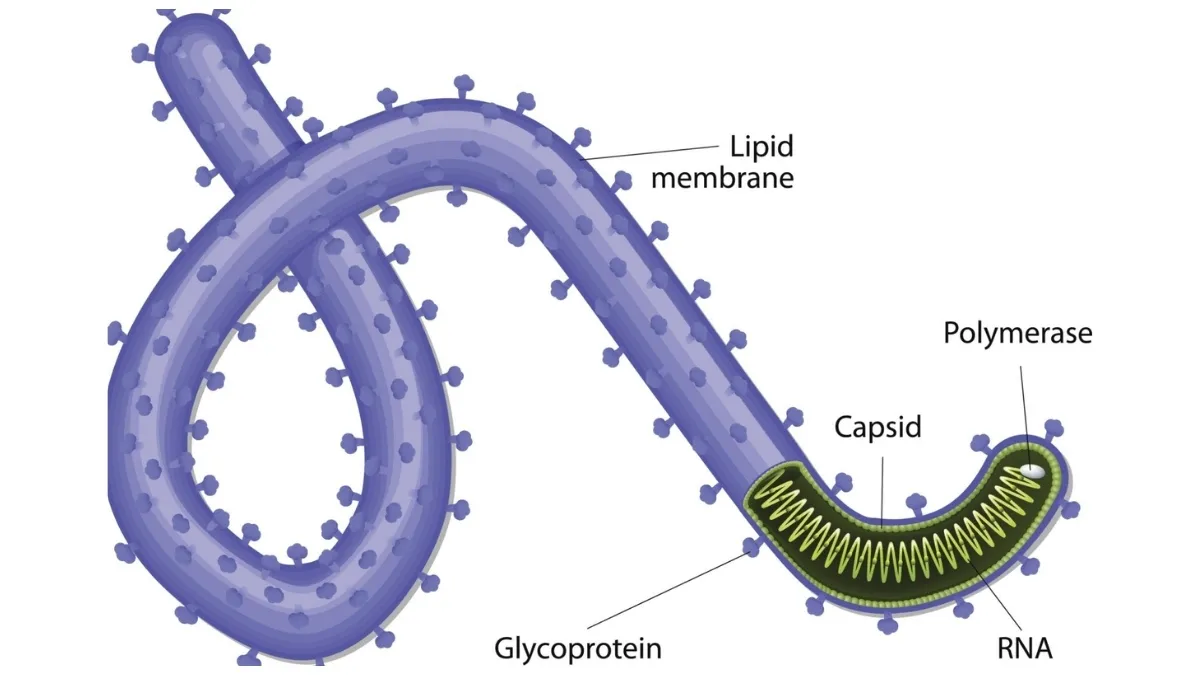
Ebola virus is a fast-acting, severe pathogen capable of causing profound illness. It mainly spreads through direct contact with bodily fluids of infected individuals or animals.
In mid-May 2026, the World Health Organization (WHO) officially declared a new Public Health Emergency of International Concern (PHEIC). This declaration follows a rapidly escalating outbreak in the Democratic Republic of the Congo (DRC) and Uganda. Compounding the crisis is the fact that this specific epidemic is driven by the Bundibugyo virus variant—a rare strain for which there are currently no licensed vaccines or targeted therapeutic treatments.
What Is the Ebola Virus?
The Ebola virus belongs to the Filoviridae family of viruses. It causes Ebola Virus Disease (EVD), it is a fatal zoonotic viral disease, meaning it originates in animals and can be transmitted to humans. It is classified as a viral hemorrhagic fever which means the virus interferes with the blood's ability to clot and can severely damage the body's vascular system over time.
Ebola is not an airborne virus like COVID-19 or influenza. It cannot be caught by simply breathing the same air as an infected person or animal. Instead, it requires direct, physical contact with:
-
Bodily fluids like blood, saliva, sweat, vomit, feces, urine, or semen of a person who is actively sick or has died from Ebola.
-
Contaminated objects such as needles, syringes, clothing, or bedding soiled with these fluids.
-
Infected animals like handling or consuming "bushmeat" such as fruit bats or primates from affected rainforest regions.
The Origins: Where Did Ebola Come From?
Ebola was first identified in 1976 during two simultaneous, independent outbreaks in Africa. One occurred in Nzara, Sudan now South Sudan, and the other in Yambuku, a village in the Democratic Republic of the Congo (then Zaire). The virus took its name from the nearby Ebola River of Africa.
Scientists have traced the natural reservoir of the virus as a long-term home where the virus lives naturally without wiping out the population like fruit bats of the Pteropodidae family. Primates, like Chimpanzees and Gorillas can also catch Ebola but like humans, they become severely ill and are considered incidental hosts rather than the source.
Symptoms
The incubation period for Ebola, the time from exposure to when symptoms actually show up ranges from 2 to 21 days. An individual is not contagious until they begin showing symptoms.
Symptoms typically present in two distinct stages:
Early, Non-Specific Stage (Days 1–3): In its earliest hours, Ebola looks deceptively like malaria, typhoid, or a severe seasonal flu, which often delays initial diagnosis.
-
Sudden, high fever
-
Intense weakness and profound fatigue
-
Muscle aches and joint pain
-
Severe headache
-
Sore throat
Sever Gastrointestinal and Hemorrhagic Stage (Days 4+): As the virus multiplies and attacks the immune and vascular systems, symptoms become much more severe:
-
Persistent vomiting and severe diarrhea
-
Abdominal (stomach) pain
-
Impaired kidney and liver function
-
Hemorrhagic symptoms: Internal and external bleeding, which may manifest as bleeding from the nose or gums, blood in vomit or stool, or bruising under the skin.
Bundibugyo Outbreak, in DRC and Uganda May 2026
On May 17, 2026, the WHO officially designated a fast-moving Ebola outbreak as a Public Health Emergency of International Concern (PHEIC).
The strain outbreak is driven by the Bundibugyo variant, making it far more challenging to combat because there are currently no approved vaccines or targeted therapeutics for this specific strain. The epicenter of the outbreak was declared by the DRC Ministry of Health on May 15, 2026, after a cluster of severe illnesses and deaths occurred in the Ituri and North Kivu provinces.
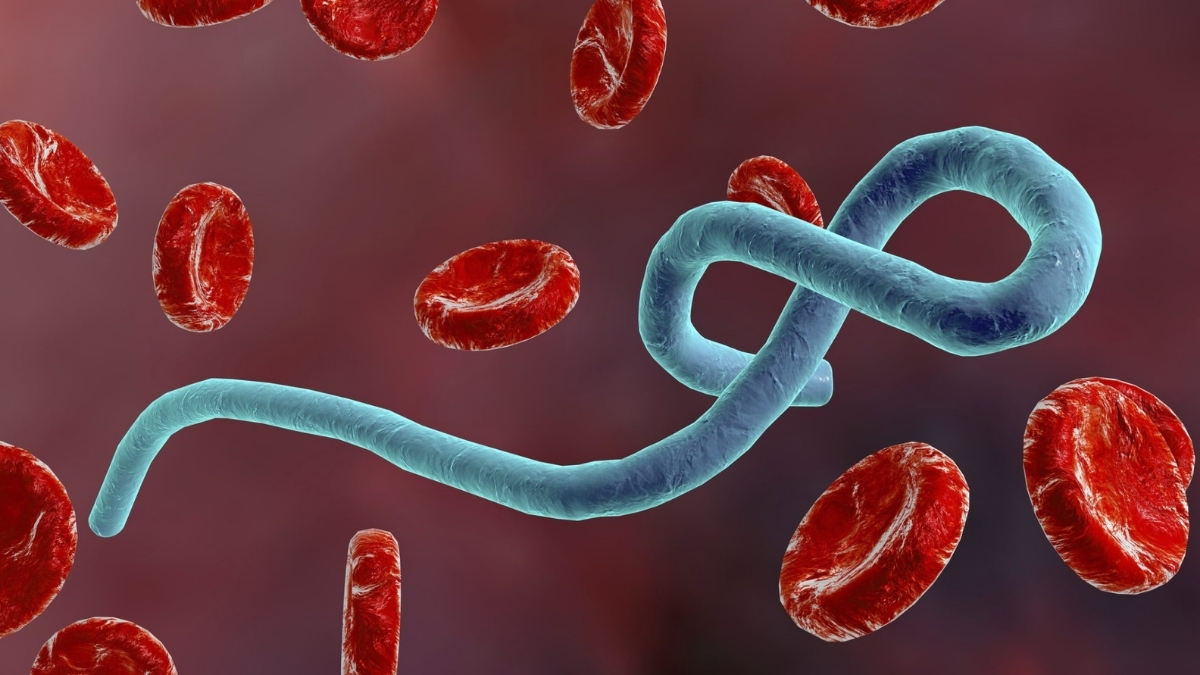
Source: DD News
Cross-border spread within days of the declaration, cases were confirmed in Uganda's capital city, Kampala, from individuals traveling from the DRC. International medical workers have also been exposed, with one American national evacuated to Germany for specialized care.
As of late May 2026, health ministries report over 570 suspected cases and more than 140 deaths, though officials warn the true numbers may be higher due to delayed detection in conflict-heavy, highly mobile regions.
Major Variants of Ebola
Although scientists have not been able to identify all variants of ebola virus but recognize six species under the genus Orthoebolavirus, four of which cause severe disease in humans. Their traits vary drastically:
| Variant / Species | Human Pathogen? | Historical Context & Fatality Rates |
| Zaire ebolavirus (EBOV) | Yes | The most common and lethal strain. It was responsible for the historic 2014–2016 West Africa outbreak. Fatality rates can reach up to 90% without treatment. Highly effective vaccines exist for this specific variant. |
| Sudan ebolavirus (SUDV) | Yes | Causes severe outbreaks, most recently in Uganda in 2022. Fatality rates average around 50%. |
| Bundibugyo ebolavirus (BDBV) | Yes | First identified in Uganda in 2007. Generally yields lower case-fatality rates (roughly 30% to 50%), but is highly transmissible and lacks an approved vaccine. |
| Taï Forest ebolavirus (TAFV) | Yes | Extremely rare; only one human case has ever been recorded (a scientist who contracted it from a chimpanzee in 1994 and survived). |
| Reston & Bombali variants | No (to date) | Reston virus can infect primates and pigs but has never caused symptomatic illness in humans. Bombali virus, found in bats in 2018, is not known to harm humans. |
Major Historical Outbreaks
The West Africa Epidemic (2014–2016) was the largest and most complex Ebola outbreak in history moving away from isolated rural villages into dense urban capitals across Guinea, Liberia, and Sierra Leone. It resulted in more than 28,000 cases and over 11,000 deaths. It prompted the fast-tracked development of the first successful Ebola vaccines.
The Kivu Outbreak (2018–2020), located in the eastern DRC, was heavily complicated by ongoing regional conflict. It became the second-largest outbreak on record but was successfully curbed using targeted, ring-vaccination strategies with the Ervebo vaccine designed for the Zaire strain.
Prevention
To stopping Ebola relies entirely on a swift, coordinated public health response.
-
Infection Prevention and Control (IPC): In healthcare settings, workers must use rigorous Personal Protective Equipment (PPE), including double-gloving, fluid-resistant gowns, and face shields.
-
Safe and Dignified Burials: Because the bodies of deceased Ebola patients retain a highly viral load, traditional washing and funeral practices can rapidly spread the disease. Safe burial teams prevent community transmission.
-
Contact Tracing: Identifying, monitoring, and isolating every single person who came into contact with a symptomatic patient for 21 days.
Treatment Evolution
Historically, Ebola treatment was purely supportive such as rehydration, maintaining blood pressure, and oxygen levels. In the present the effective monoclonal antibody treatments like Inmazeb and Ebanga exist, that drastically increase survival rates if administered early. However, these therapies and existing vaccines are engineered specifically for the Zaire strain.
Also Read: Currency Swaps Explained: Objectives, Features, Significance and RBI Role

Manisha Waldia is an accomplished content writer with 4+ years of experience dedicated to UPSC, State PCS, and current affairs. She excels in creating expert content for core subjects like Polity, Geography, and History. Her work emphasises in-depth conceptual understanding and rigorous analysis of national and international affairs. Manisha has curated educational materials for leading institutions, including Drishti IAS, Shubhara Ranjan IAS, Study IQ, and PWonly IAS. Email ID: manisha.waldia@jagrannewmedia.com


-1779436111128_t.webp)
