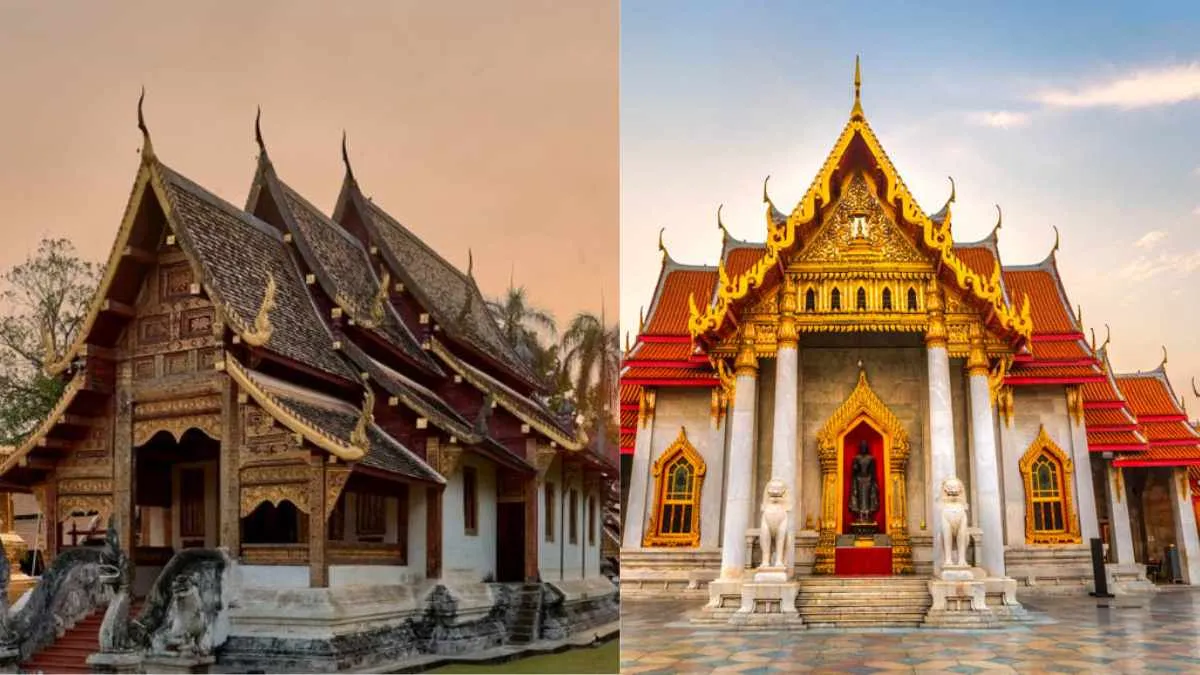
Thailand is often thought of as a colourful Southeast Asian country known for its temples, beach, food and friendly people. It has been a popular place for many tourists to visit yearly, so there are numerous examples of how Thailand has developed throughout history. Due to its geographical location, Thailand has experienced many influences and exchanges due to its trade routes with other parts of the world. Thailand's geography has played a key role in shaping the art, architecture, culture and customs found throughout the country.
Understanding the geography, culture, and history of Thailand is important for those studying international relations, world geography, and world history. It also helps aspiring candidates prepare for competitive exams and build up their general knowledge.
Check Out: What Was the Old Name of China?
What was the Old Name of Thailand?
The country of Thailand was previously called Siam. This name has been used by other countries for many years and can be found in Europe in many maps, treaties, and historical records. In 1939, under Prime Minister Plaek Phibunsongkram as part of a campaign for nationalism to create a sense of nationhood for Thais, the name of the country was changed to Thailand.
Between 1945-1949, the country was called Siam, and after that period the name Thailand became permanent. The new name means “Land of the Free”, which refers to Thailand’s historical position as the only country in Southeast Asia not colonized by a European Power.
Why did Thailand Change from Siam?
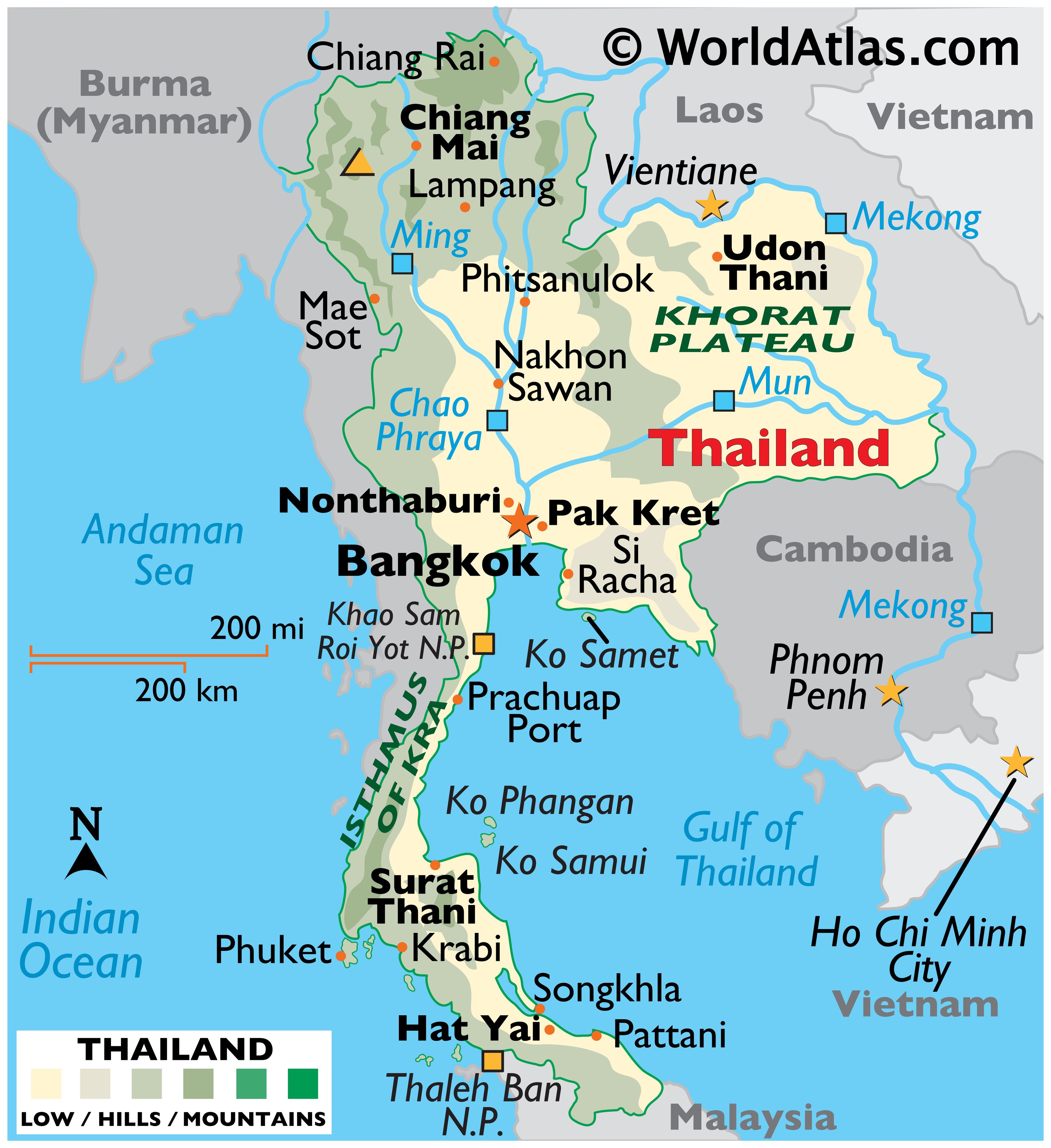 Source: WorldAtlas
Renaming Siam to Thailand was part of a Nationalistic movement headed by Prime Minister Plaek Phibunsongkhram, which occurred in 1939.
As a symbol of pride and to unite the people of Thailand as they were one nation, Thailand means “The Land of the Free” and expresses that Thailand is a Sovereign Nation that has never been Colonized by a European Nation, as all other nations in Southeast Asia have been colonized by either the British or the French.
This name change was also an effort to unify Thailand culturally and politically. Even though the name could have reverted back to Siam between 1945 and 1949, since this time, Thailand has retained the name of Thailand.
Why Was Thailand Called Siam?
The name Siam has historically been used as an international name for the country that is today known as Thailand. The word Siam is thought to have originated from the Sanskrit word Śyāma meaning "dusk" or "brown," possibly referring to the skin tones of the people of Thailand.
It was a reflection of the local culture and identity a long time before modern Thailand came into being. The term Siam first appeared on maps, in treaties and historical manuscripts, indicating the kingdom's heritage and its significance as a participant in trade and diplomatic relations in the region.
Siam was understood to represent a single kingdom ruled by a king; this kingdom included many different nations and ethnic groups that together made up the modern nation of Thailand.





Comments
All Comments (0)
Join the conversation