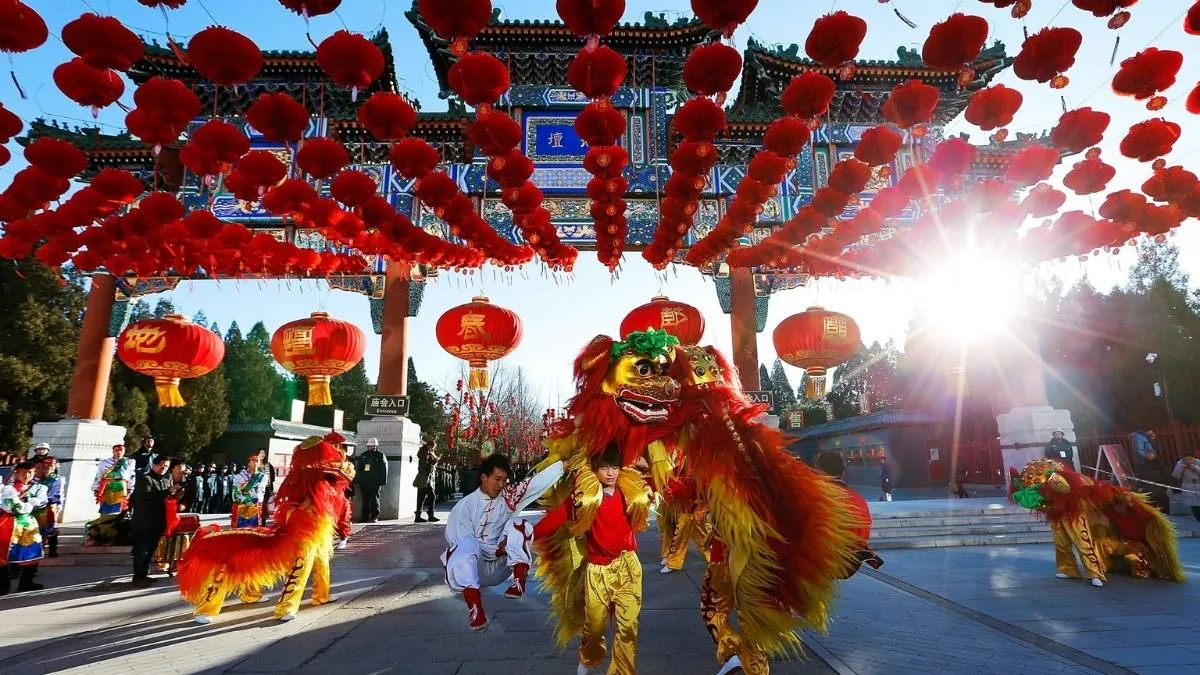
Lunar New Year 2026 is about to begin, which is also known as the Chinese New Year or Spring Festival. It is celebrated on Tuesday, 17 February 2026.
It follows the lunisolar calendar, different from the Gregorian calendar, which means that the date shifts each year in line with the phases of the moon.
Do you know that it is marked as a very significant festival every year? The festival officially begins with the New Moon on this date and runs for around 16 days. It concludes with the Lantern Festival on 3 March 2026.
What is the Animal for the Lunar New Year 2026?
The 2026 Lunar New Year ushers in the Year of the Fire Horse. It is a powerful blend of one of the 12 Chinese zodiac animals with one of the five classical elements (wood, fire, earth, metal and water) in a 60-year cycle.
The Horse is the seventh animal in the zodiac cycle and symbolises energy, freedom, courage and drive. When paired with the Fire element, these traits are said to be intensified. This makes the year 2026 filled with speed, transformation and momentum.
What are the Chinese New Year Dates in 2026?
The key days of the Chinese New Year 2026 are given below:
| Event | Date (2026) | Significance |
| Chinese New Year’s Eve | 16 February 2026 | Families gather for reunion dinners as traditional customs and rituals begin. |
| Lunar New Year Day | 17 February 2026 | The official start of Lunar New Year celebrations and the Year of the Fire Horse. |
| Public Holiday (China) | 15–23 February 2026 | Schools, offices and businesses close as nationwide celebrations take place. |
| Lantern Festival | 3 March 2026 | The festival is concluded with lantern displays and eating sweet rice balls (tangyuan). |
Source: China Travel
Check Out: 10 Unique New Year Traditions around the World
What are the Key Facts of the Chinese New Year 2026?
Lunar New Year is one of the most widely celebrated holidays in the world. It is embraced not just in China, but across East and Southeast Asia and in communities globally.
-
The festival marks the start of a new lunar cycle. It is a time to honour ancestors, delight in family reunions and drive away past misfortune.
-
The Lunar New Year is known for the massive travel rush as people return home to celebrate. It is often called the world’s largest human migration.
-
The 2026 celebration is paired with rare solar and lunar events. This includes a “ring of fire” annular solar eclipse and a total lunar eclipse.
All these events make it a memorable year for devotees and sky watchers alike.
Why is Lunar New Year One of the Most Significant Festivals Worldwide?
In traditional Chinese astrology, every zodiac sign interacts differently with the year’s energy. Lunar New Year is one of the most widely observed cultural festivals in the world, marking the beginning of the lunar calendar year.
It originates from the ancient agricultural traditions, and signals the transition from winter to spring and the start of a new farming cycle. Over centuries, it evolved into a celebration centred on family reunions, respect for ancestors and community togetherness.
Check Out: What are the Biggest Festivals in the World?
Today, the Lunar New Year is recognised globally, with public holidays and cultural events reflecting its lasting social and historical significance.



Comments
All Comments (0)
Join the conversation