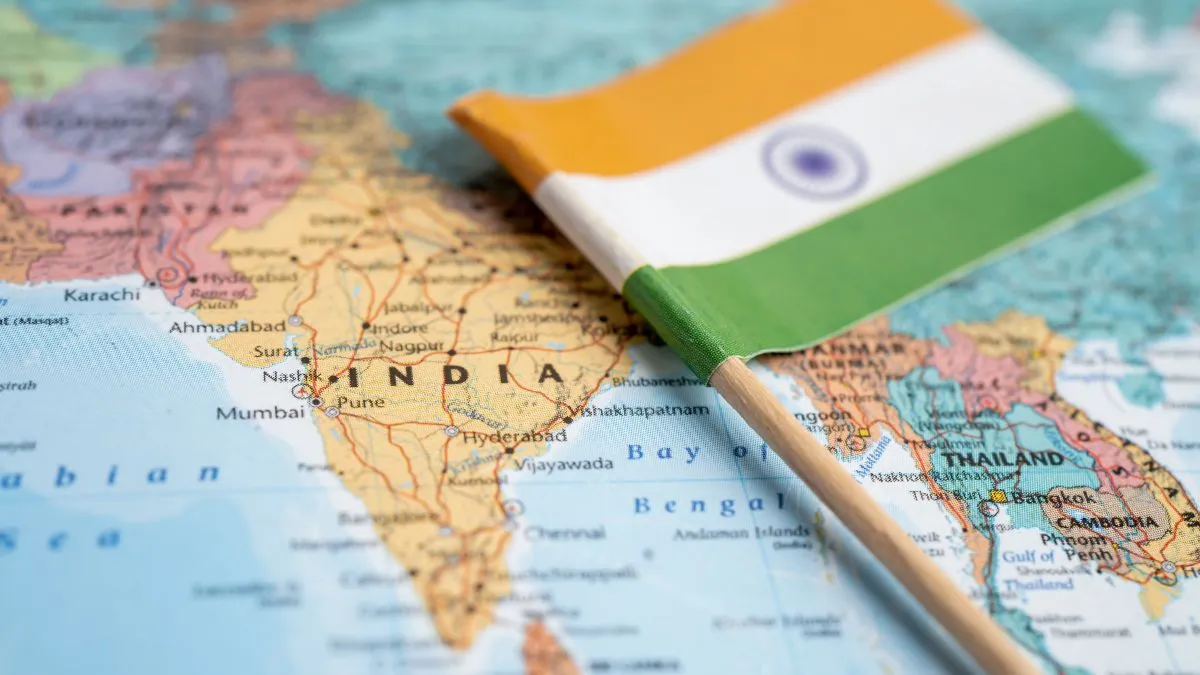
India has one of the largest and most complex postal networks in the world. Managing postal delivery across a vast country with thousands of cities, towns, and villages requires a well-organised system. To achieve this, India uses the PIN Code system, which divides the country into clearly defined postal zones. This system ensures accurate sorting, routing, and delivery of mail and parcels across India.
Total Number of PIN Code Zones in India
India is divided into 9 PIN code zones. Out of these, 8 zones are based on geographical regions, while 1 zone is reserved for functional use by the Indian Army. Each zone represents a broad area of the country and helps streamline postal operations on a national scale. This zonal division allows India Post to manage mail efficiently despite India’s large population and geographical diversity.
What Is a PIN Code?
PIN stands for Postal Index Number. It is a six-digit numerical code used by India Post to identify specific regions, sorting offices, and delivery post offices. The PIN code system was introduced in 1972 to eliminate confusion caused by similar place names, incorrect spellings, and language differences. Since its introduction, it has become a backbone of India’s postal and logistics infrastructure.

How the PIN Code System Works?
Each PIN code digit has a defined role. The first digit indicates the postal zone. The second digit identifies the sub-zone or postal circle. The third digit represents the sorting district. The last three digits specify the individual post office. This hierarchical structure allows mail to move smoothly from national sorting centres to local delivery points.
Detailed Explanation of PIN Code Zones in India
Zone 1 – Northern India
Zone 1 covers northern regions including Delhi, Haryana, Punjab, Himachal Pradesh, Jammu & Kashmir, and Ladakh. This zone manages mail for politically and geographically significant areas and supports both urban and remote mountainous regions.
Zone 2 – Upper Gangetic Plains
Zone 2 includes Uttar Pradesh and Uttarakhand. Due to high population density, this zone handles a massive volume of letters, parcels, government communication and commercial deliveries daily.
Zone 3 – Western India
Zone 3 covers Rajasthan and Gujarat. This zone includes desert regions, industrial hubs, ports and major trade centres, making postal connectivity crucial for commerce and administration.
Zone 4 – Central India
Zone 4 includes Maharashtra, Madhya Pradesh, Chhattisgarh and Goa. It serves major metropolitan cities, tribal regions, and industrial belts, balancing urban speed with rural outreach.
Zone 5 – Southern Peninsula
Zone 5 covers Andhra Pradesh, Telangana, Karnataka and Tamil Nadu. It supports high literacy regions, IT hubs, manufacturing zones, and extensive rural networks.
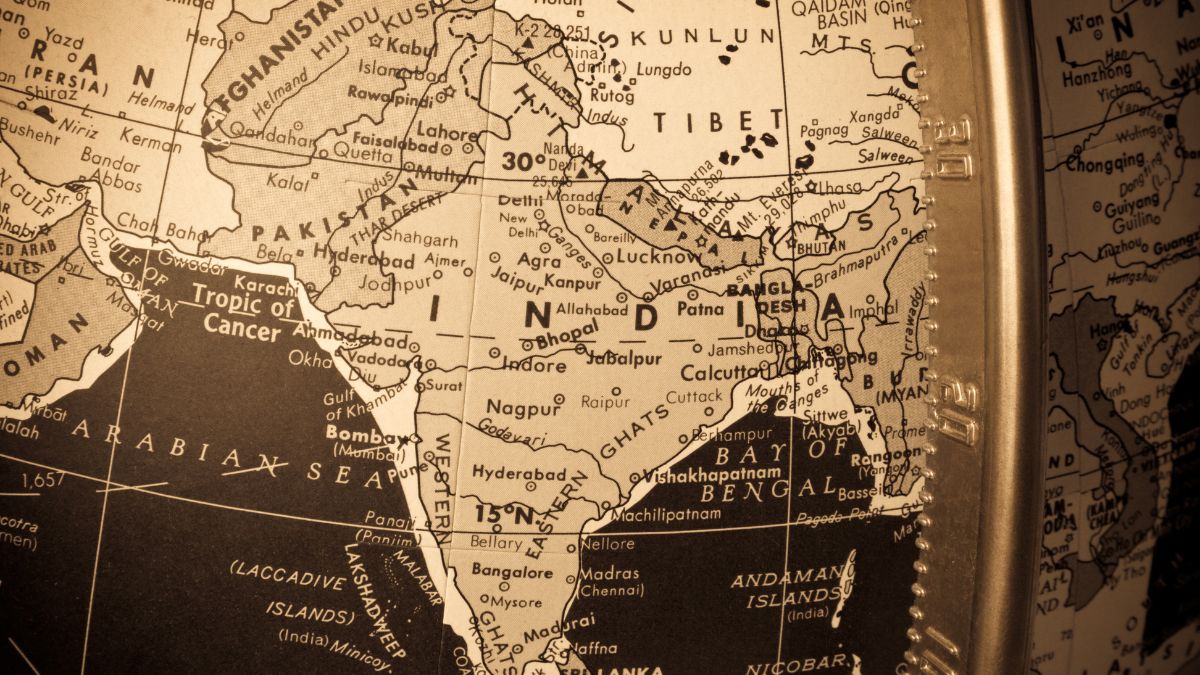
Zone 6 – Extreme South and Islands
Zone 6 includes Kerala, southern Tamil Nadu, Puducherry and Lakshadweep. This zone handles coastal, island, and high rainfall regions, ensuring connectivity even in challenging terrains.
Zone 7 – Eastern and Northeastern India
Zone 7 covers West Bengal, Odisha, Assam and other northeastern states. It plays a key role in connecting remote hill areas and border regions with the rest of India.
Zone 8 – Eastern Plains
Zone 8 includes Bihar and Jharkhand. This zone supports a large rural population and facilitates government schemes, banking correspondence and agricultural logistics.
Zone 9 – Army Postal Service
Zone 9 is reserved exclusively for the Indian Army. It is not geographically defined and is used for military communication, ensuring secure and uninterrupted postal services for defence personnel.
Why PIN Code Zones Are Important
PIN code zones simplify the process of sorting and routing mail at every level. They reduce delivery errors, save time, and improve efficiency. Without zonal classification, managing millions of daily postal items would be nearly impossible in a country like India.
Role of PIN Codes in Modern India
PIN codes are no longer limited to postal services. They are widely used in e-commerce deliveries, courier services, banking verification, insurance records, government databases, census surveys, and emergency response systems. PIN codes help identify exact locations and support digital governance.
Importance of PIN Codes for E-commerce and Logistics
Online shopping platforms rely heavily on PIN codes to determine service availability, delivery timelines, shipping costs and warehouse planning. Accurate PIN codes enable faster last-mile delivery and better customer experience.

Interesting Facts About India’s PIN Code System
Introduced to Reduce Confusion
The PIN system was introduced to solve issues arising from similar place names and multilingual spellings across India.
One of the Largest Postal Networks
India has over 1.5 lakh post offices, many of which operate in rural and remote areas.
Army Has a Separate Zone
Zone 9 is unique globally as it is dedicated entirely to defence postal services.
Essential for Governance
PIN codes support Aadhaar registration, voter records, banking services, and welfare schemes.
Still Expanding
New PIN codes are regularly added as cities expand and new post offices are established.
Read more: Which Country Has Both Deserts and Rainforests?
India is divided into 9 PIN code zones, including 8 geographical zones and 1 functional zone for the Indian Army. This structured postal zoning system ensures smooth communication, efficient logistics, and nationwide connectivity. Keep reading for more such topics.



Comments
All Comments (0)
Join the conversation