List of Top 10 Most Spoken Languages In Namibia (2026 Data)
Do you know that English is Namibia’s official language, but fewer than 4% speak it at home? Instead, nearly half the population speaks Oshiwambo natively, while others use unique click languages. Let’s discover the most spoken languages in Namibia!
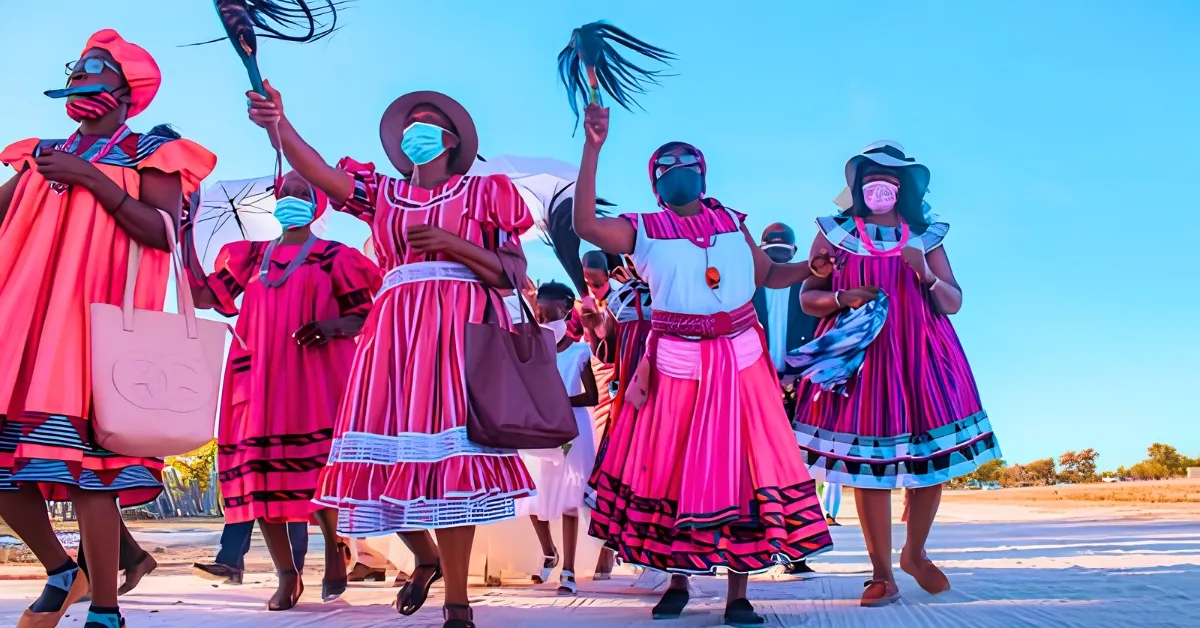
If you could hop on a plane and fly straight southwest from India, right over the Indian Ocean, you'd eventually land in Namibia. This is Southern Africa's showstopper, home to the Namib Desert—the kind of place where the sand dunes are so massive they look like something out of a sci-fi movie.
Namibia hugs the Atlantic coast, squeezed in between South Africa, Botswana, Angola, and Zambia. By mid-2026, the country's population is expected to nudge just past 3.1 million, if you're keeping score with the UN.
So, what do people actually speak in Namibia? If you guessed Namibian or just 'African,' nice try, but nope. The official language is English. Here's the twist: almost nobody grows up speaking it at home.
It's what you'll hear in schools and government buildings, but out on the street, Namibia is a whole patchwork of languages. Let's dig into what makes this country such a linguistic wild card.
List of Top 10 Languages Spoken In Namibia
Namibia is a huge place, but it does not have a lot of people. Even with just over 3.1 million residents in 2026, the variety of languages here is amazing. You will find native African languages with unique sounds, alongside European languages left behind from old colonial days. Here are the top 10 languages spoken in Namibian homes:
| Language | Spoken in Which Places | Number of Native Speakers (Updated 2026) |
| Oshiwambo | Northern Namibia (Omusati, Ohangwena, Oshana, Oshikoto), Windhoek | 1,541,937 |
| Khoekhoegowab (Nama/Damara) | Southern and Central Namibia (Karas, Hardap, Erongo, Kunene) | 356,316 |
| Afrikaans | Central and Southern regions: Windhoek, Walvis Bay | 327,937 |
| Otjiherero | Omaheke, Otjozondjupa, Kunene, and Erongo regions | 289,850 |
| Kavango Languages (RuKwangali) | Northeastern Namibia (Kavango East and Kavango West regions) | 268,025 |
| Zambezi Languages (Silozi) | Far northeastern tip (Zambezi Region / Caprivi Strip) | 151,355 |
| English | Urban centers like Windhoek and Swakopmund, and nationwide offices | 107,210 |
| Portuguese | Border areas near Angola, urban immigrant communities | 104,057 |
| German | Windhoek, Swakopmund, coastal towns | 28,379 |
| San (Bushman Languages) | Kalahari Desert border, Otjozondjupa, Omaheke regions | 25,225 |
1. Oshiwambo
This is by far the biggest language group in the whole country. In 2026, it is spoken natively by nearly half of the population—about 49%, which is roughly 1,541,937 people. It belongs to the Bantu language family. Most speakers live in the bright, northern regions of Namibia, a place historically called Ovamboland. Because a lot of people move to the capital city, Windhoek, to find work, you will hear it spoken all over the city streets there, too. It has a few different dialects, but speakers understand each other easily.
2. Khoekhoegowab (Nama/Damara)
This is the second most popular indigenous language in Namibia, and it is absolutely beautiful to hear. It is famous worldwide because speakers use special "click" sounds made with their tongue while talking. It’s spoken by around 11.3% of households, or about 356,316 native speakers in 2026. You’ll mostly hear it in the rocky, scenic southern and central parts of Namibia, such as Kunene and Hardap. It nicely connects two different cultural groups, the Nama and the Damara, under one single tongue.
3. Afrikaans
Even though Afrikaans originally developed from Dutch settlers in neighboring South Africa, it is incredibly important in Namibia today. It is the first language of around 10.4% of the population, or about 327,937 native speakers in 2026. It is also widely spoken in Windhoek and coastal cities. The best part about Afrikaans here is that it serves as a “bridge language.” If two Namibians from completely different tribes meet on the street, they will usually communicate in Afrikaans or English to understand each other.
Conclusion
Namibia’s indigenous languages reveal how rich its history and culture are. From the massive number of Oshiwambo speakers in the north to the fascinating tongue-clicks of Khoekhoegowab, and the helpful everyday use of Afrikaans, this country is a wonderful mix of voices. Even though English has been the official language since they gained independence back in 1990, it is these local languages that keep the true heart and soul of the nation alive.
Kriti Barua is a skilled digital journalist and communications professional with 4+ years of experience, currently writing for the General Knowledge section at Jagran New Media. She has established herself as a subject matter expert in History, Geography, Trending National and International News, Sports, Science, and Defence, producing clear, reliable, and search-optimised content that connects with readers worldwide.
Kriti holds a BA degree from Delhi University and a one-year diploma in TV Production and Journalism, an academic background that adds research depth and strong storytelling instincts to her writing. Her experience spans brand writing, content marketing, and digital media, giving her a sharp understanding of what makes content both helpful to readers and visible in search.
At Jagran New Media, she applies this expertise to national and international news coverage, query-based articles, and in-depth pieces across her specialist subject areas. Her content is defined by easy language, factual accuracy, strong keyword strategy, and reader-friendly storytelling.


