Show Key Points
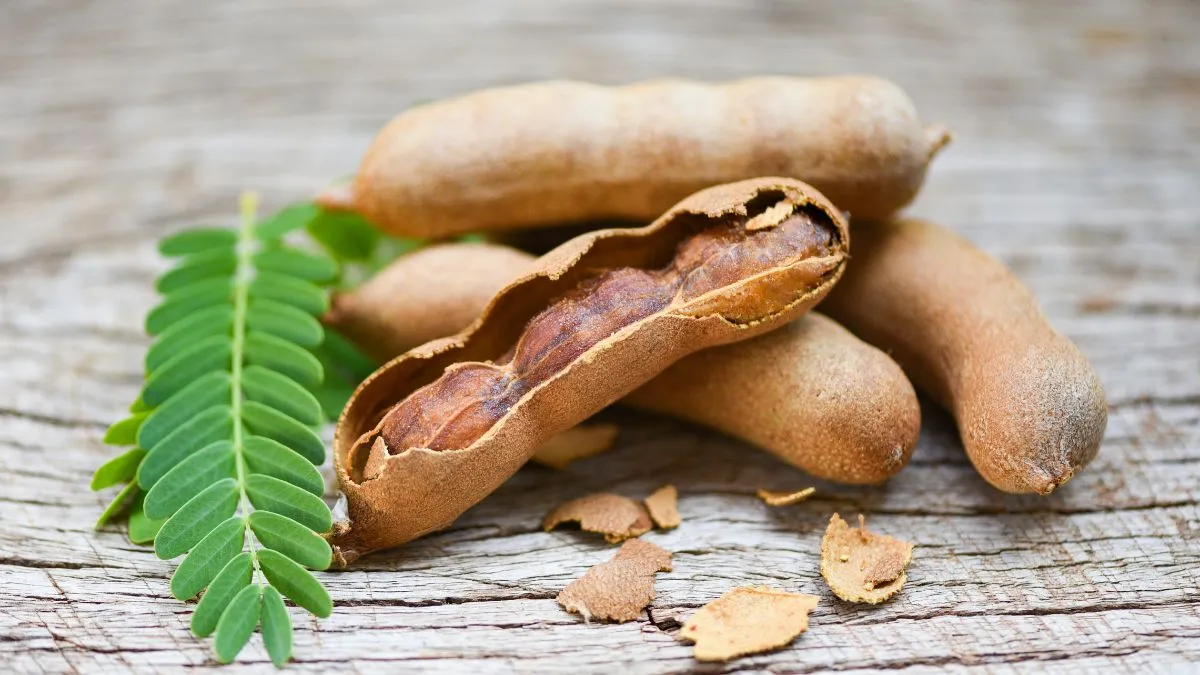
Tamarind is a widely cultivated tropical fruit known for its tangy taste and diverse applications in food, medicine, and industry. Several tropical countries grow tamarind due to suitable climate conditions, but one country consistently dominates global production through widespread cultivation and strong domestic demand.
Largest Producer of Tamarind in the World
India is the largest producer of tamarind in the world. Tamarind cultivation is deeply integrated into the country’s agricultural landscape, with trees commonly found in farms, village boundaries, and forested regions. Large-scale production supports food industries, spice processing and regional trade networks across multiple states.
Where Is Tamarind Mainly Produced in India?
Tamarind is extensively produced in southern and central India, where climatic conditions favour tree growth. Major producing states include Andhra Pradesh, Karnataka, Tamil Nadu, Telangana and Maharashtra. These regions contribute significantly to national supply due to suitable temperature ranges and dry tropical conditions.
Why Does India Lead Global Tamarind Production?
India leads global tamarind production due to natural abundance of tamarind trees, favourable agro-climatic zones, and long-standing culinary usage. The fruit is widely consumed domestically, which sustains large-scale cultivation and continuous production across diverse regions.
Climate Conditions Suitable for Tamarind Cultivation
Tamarind trees thrive in warm tropical climates with moderate rainfall and long dry seasons. India’s temperature patterns, seasonal monsoon cycle, and well-drained soils create ideal conditions for healthy tree growth and consistent fruit yield.
Soil Requirements for Tamarind Growth
The tree adapts well to sandy, loamy, and alluvial soils with good drainage. Its ability to tolerate semi-arid conditions allows cultivation across varied landscapes, including dryland agricultural regions.
Agricultural Importance of Tamarind in India
Tamarind is an important minor forest and farm crop that supports rural livelihoods and local markets. It plays a role in food processing industries and contributes to income generation for small farmers and collectors.
Economic and Trade Significance
India supplies a major share of tamarind to domestic and regional markets. Processed tamarind products are traded across Asia, strengthening the country’s position in tropical fruit supply chains.
Uses of Tamarind in Food and Industry
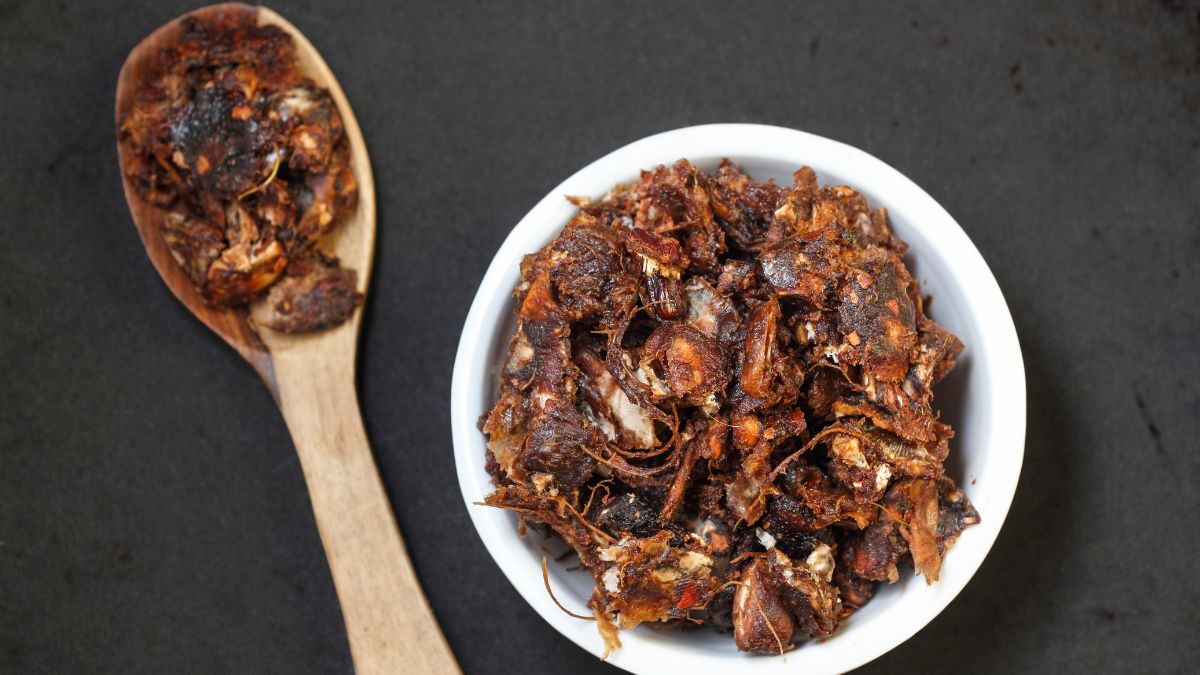
Tamarind pulp is widely used in cooking, beverages, sauces and preservation. It also has applications in pharmaceuticals, traditional remedies, and natural food processing industries.
Global Position in Tamarind Production
India consistently ranks as the leading producer of tamarind due to extensive cultivation area and strong production base. Its dominance reflects both natural growth conditions and sustained agricultural utilisation.
Interesting Facts About the Largest Producer of Tamarind
Natural Tropical Growth
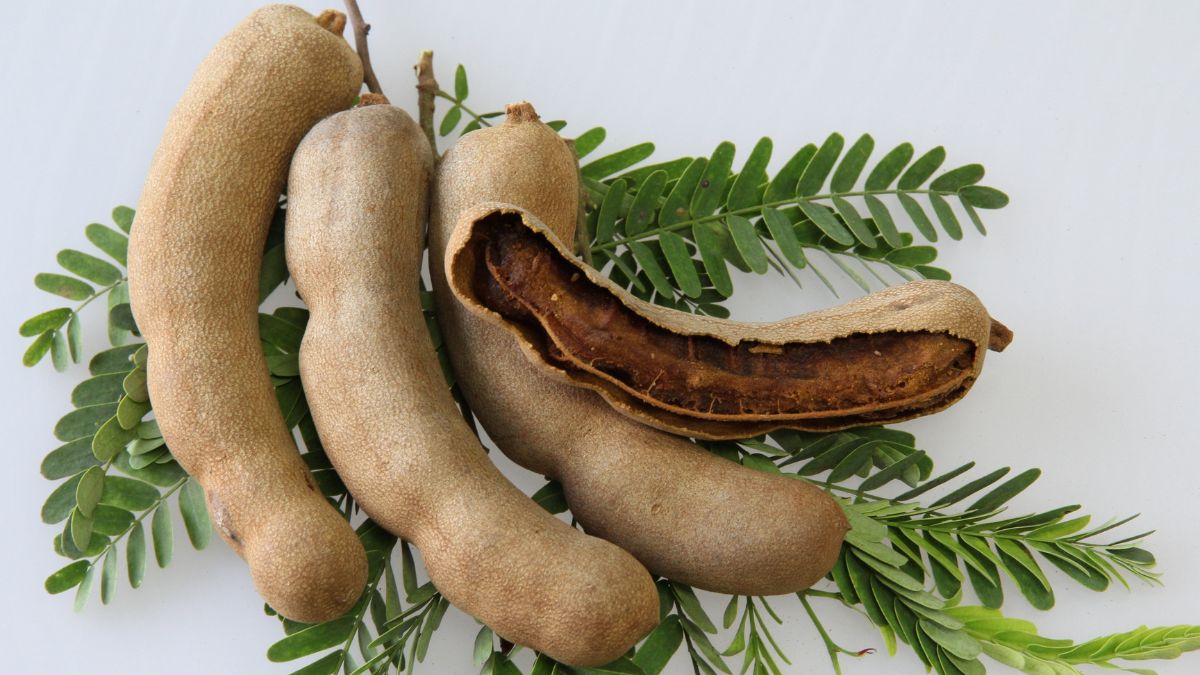
Tamarind trees grow naturally across many parts of India, especially in dry and semi-arid regions. This natural distribution reduces dependence on intensive cultivation practices.
Long-Living Tree
Tamarind trees can survive for decades and continue producing fruit over long periods. Their longevity makes them a sustainable agricultural resource.
Culinary Staple
Tamarind is widely used in Indian cuisine for flavouring curries, chutneys and beverages. Its sour pulp is an essential ingredient in many regional dishes.
Multipurpose Crop
Almost every part of the tamarind tree has economic value, including pulp, seeds and wood. This makes it an important multi-use tropical resource.
Traditional Agricultural Presence
Tamarind cultivation has existed in India for centuries as part of rural agroforestry systems. It remains closely linked to traditional food culture and local economies.
Read more: Which Country Is the Largest Producer of Honey in the World?
India is the largest producer of tamarind in the world due to favourable climate conditions, widespread natural growth of tamarind trees and strong agricultural and culinary traditions. Keep reading for more such topics.





Comments
All Comments (0)
Join the conversation