Show Key Points
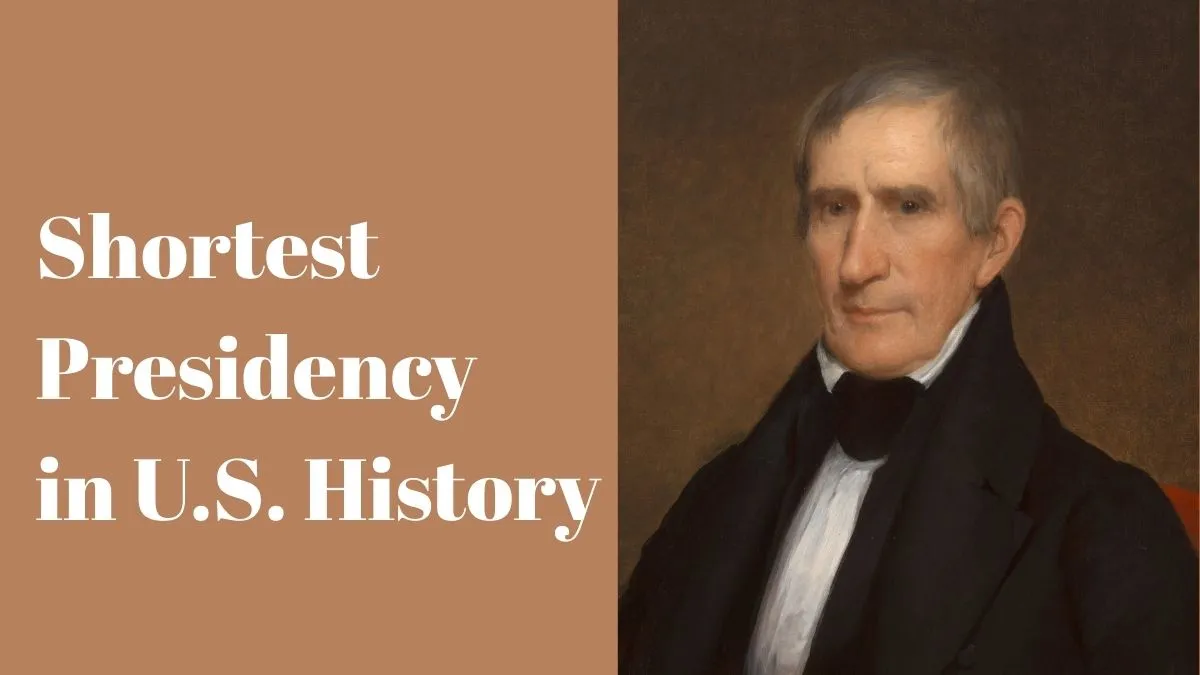
The search for a lasting legacy is a common theme in the long history of American leadership. William Henry Harrison, the nation's 9th president, had the shortest presidency in history, lasting only 31 days, 12 hours, and 30 minutes, according to official records from the White House Historical Association.
Recent historical reviews often focus on Harrison not only because he was president for a short time, but also because his death caused an unintended constitutional crisis. Harrison was the oldest president elected until the modern era, taking office at age 67.
His 1841 term is still a powerful reminder of how fragile executive power can be. His story continues to trend among history buffs and political analysts seeking to understand the origins of presidential succession.
How did the Shortest Presidency in History Happen?
William Henry Harrison’s term began with a display of stamina that ironically led to his downfall. On March 4, 1841, a cold and overcast day in Washington, D.C., Harrison delivered the longest inaugural address in U.S. history, clocking in at 8,445 words and nearly two hours, without wearing a coat or hat.
The Cause of Death: While popular myth suggests he died of pneumonia directly from that cold, modern medical researchers believe the Old Tippecanoe likely succumbed to enteric fever (typhoid) caused by the White House’s contaminated water supply at the time.
An Abrupt Transition: He passed away on April 4, 1841. His death left the Whig Party’s ambitious legislative agenda in shambles and forced the nation to figure out, for the first time, what happens when a sitting president dies.
Check Out - Who are the 7 Best American Presidents of All Time? Ranked
Who are the U.S. Presidents with the Shortest Terms?
Beyond Harrison, several other commanders-in-chief have seen their time in the Oval Office cut short due to health, tragedy, or political shifts.
| Rank | U.S. President | Days in Office | Primary Reason for Short Term |
| 1 | William Henry Harrison | 31 Days | Pneumonia/Enteric Fever |
| 2 | James A. Garfield | 199 Days | Assassination |
| 3 | Zachary Taylor | 492 Days | Acute Gastroenteritis |
| 4 | Warren G. Harding | 881 Days | Heart Attack |
| 5 | Gerald Ford | 895 Days | Succeeded Nixon (Not Re-elected) |
Also Read - Who are the 10 Worst Presidents of the US? Ranked by Historians
The Legacy of the Shortest Presidency
The shortest presidency in history actually set one of the most important rules for how the US government works: the Tyler Precedent. When Harrison died, the Constitution didn't say for sure whether the Vice President would become the real president or just an "acting" president.
John Tyler, Harrison’s Vice President, moved into the White House, took the oath, and insisted on the full title and power of the office. This established the clear line of succession that was eventually codified in the 25th Amendment. Without Harrison’s tragic 31-day stint, the stability of the American executive branch might have remained in legal limbo for decades longer.
Check Out - US Presidents Quiz: How well Do You know the American Presidency? Check Trivia Questions with Answers
William Henry Harrison's short time in the spotlight shows that impact isn't always measured in years. His death, which was sudden, forced a young nation to figure out how to survive, even though he holds the record for the shortest presidency in history. Today, he is still an important person to know about the strength of the American presidency.



Comments
All Comments (0)
Join the conversation