Jagannath Puri Temple: 7 Architectural Mysteries Behind Puri Temple that Defy Modern Physics
The 12th-century Shree Jagannath Temple in Puri is a big structural paradox. While millions celebrate the annual Rath Yatra, scientists and engineers remain baffled by seven distinct architectural anomalies within the temple complex which range from a shadowless dome to acoustic design that defies fluid dynamics.
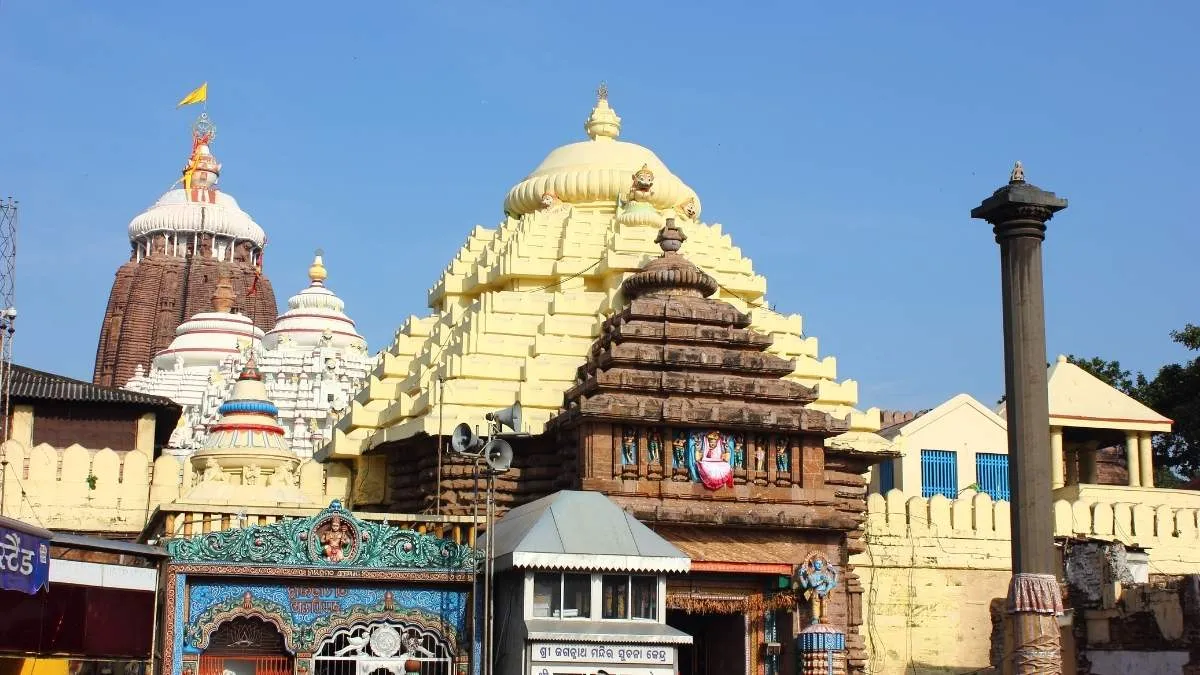
The coastal city of Puri fills with millions of devotees on the Bada Danda Grand Road to pull huge wooden chariots of Lord Jagannath with Balabhadra and Goddess Subhadra. The Jagannath Rath Yatra is famous worldwide for its large scale gathering.
But beyond the religious devotion the Jagannath temple itself is a big puzzle for modern architects and scientists.
It was built over 800 years ago with stone and features strange architecture that seems to break the everyday rules of science and physics.
Let’s read about some of the most unusual things inside the Puri temple as general knowledge for students ahead of Rath Yatra in 2026.
Historical Facts about Jagannath Temple
First and foremost read the following historical and geographical details about the Puri temple from a factual perspective before we go through the mysterious attributes of the temple below:
| Exam Attribute | Historical and Geographical Facts about Jagannath Temple |
| Location | Puri, Odisha (East Coast of India) |
| Built By | King Anantavarman Chodaganga Deva (Eastern Ganga Dynasty) |
| Timeline | 12th Century CE |
| Architectural Style | Kalinga Architecture (Pancharatha Rekha Deula style) |
| The Sacred Trinity | Lord Jagannath, Lord Balabhadra, and Goddess Subhadra |
7 Architectural Mysteries of the Jagannath Temple
Scientists certify the Jagannath temple as one of the oldest temples to exist to date in India. But they are still trying to figure out these structural mysteries to date:
1. The Main Dome is Shadowless
The main temple tower stands over 214 feet tall and is made of heavy stone blocks fitted together like a jigsaw puzzle. Oddly no matter what time of the day it is, the doom never throws a shadow onto the ground outside. Experts still argue if this is due to a genius geometric trick of ancient builders or a natural fluke.
2. Puri Temple Flag Always Fights the Wind
At the very top of the temple sits a huge triangular flag called the Patitapaba. In nature wind pushes cloth in the direction it blows. But this flag of the Puri temple does the exact opposite. It always flutters against the direction of the wind.
3. The Seven Pot Kitchen Trick
The cooks stack seven clay pots directly on top of each other above the huge firewood kitchen in the temple. Common sense says that the bottom pot closest to the flames should cook first. But the food in the topmost pot always cooks first and the bottom one finishes last.
4. The Lion Gate is Always Silent
The temple sits right near the coast where the crashing waves of the Bay of Bengal make a loud sound. So when you stand just outside the main entrance at the Singhadwara (Lion’s Gate) you can hear the ocean clearly. But the exact second you step inside the lion gate the sound drops to absolute silence.
5. The Sea Breeze is Upside Down Here
The wind normally blows from the sea to the land during the day and shifts from the land to the sea at night according to coastal weather. Puri turns this rule completely on its head. The breeze here blows toward the water during the day and toward the town at night.
6. The Metal Chakra Visibility is Same for Everyone
The Neela Chakra is a huge one ton metal wheel sitting at the very peak of the temple spire. It was designed so perfectly that no matter where you stand in the city of Puri it looks like it is facing directly at you if you look up at the wheel.
7. No Birds or Planes Ever Fly above the Puri Temple
Most old and tall monuments in India are covered in birds. But no birds ever sit on the Neela Chakra or fly over the temple dome. Even aeroplanes and drones do not fly over the immediate airspace of Jagannath Temple.

Harshita Singh is an education and general knowledge journalist with over 5 years of experience in educational writing. Specializing in US affairs and GK, Harshita has a track record of breaking down intricate geopolitical and historical subjects into clear, digestible insights for learners. Her strong background in text analysis, coupled with a Bachelor of Arts (Hons) in English from the University of Delhi, helps her produce authoritative, thoroughly researched content that empowers readers to engage confidently with global current affairs. For inquiries or academic insights, you can reach out to her directly at harshita.singh@jagrannewmedia.com.


-1784185679404_t.webp)