India-UK Free Trade Agreement Explained: What Changes From July 15?
India-UK Free Trade Agreement will come into effect from July 15. Know what changes for exports, imports, tariffs, businesses, Indian professionals and consumers.

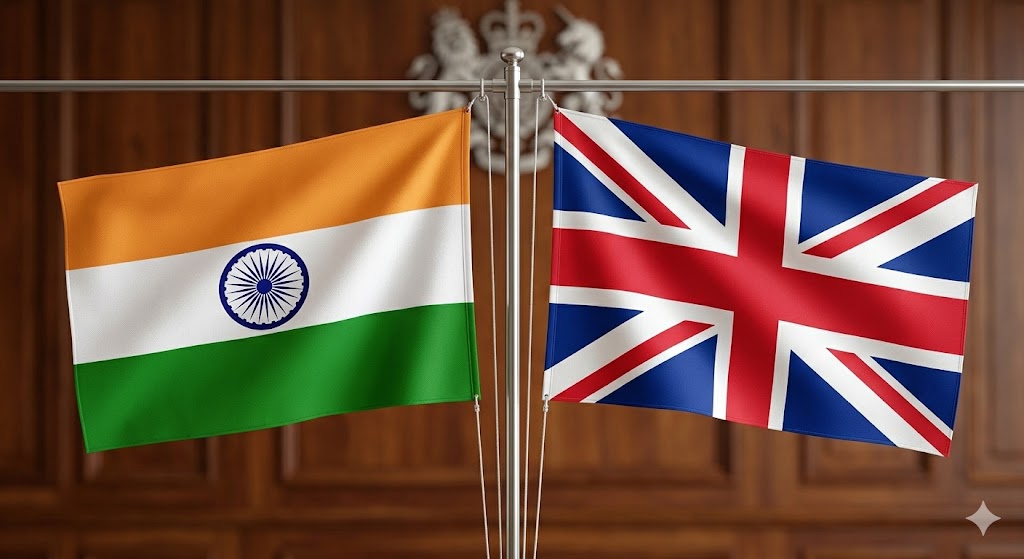
The Free Trade Agreement (FTA) between India and the UK is set to be implemented from July 15, a major milestone for the economic ties between the two countries. The agreement aims to boost trade, reduce tariffs, improve market access and create new opportunities for businesses and exporters. The pact is expected to enhance cooperation in areas such as textiles, automobiles, food products, technology and services. The deal is seen as one of India’s important trade agreements as both nations look to bolster their economic ties.
What Is the India-UK Free Trade Agreement?
A Free Trade Agreement is an agreement between two countries to reduce or eliminate trade barriers like import duties and tariffs. The India-UK FTA will provide better market access to each other’s markets and reduce costs, thereby facilitating trade between Indian and British companies. The deal covers goods, services, investments and other areas of economic cooperation. The deal is designed to foster a better climate for exporters, manufacturers and business from both countries and to promote more investment and closer trade links.
When Will the India-UK FTA Come Into Effect?
The India-UK Free Trade Agreement will be formally in force from July 15, 2026. Once the necessary formalities were completed, both countries have proceeded with the implementation of the agreement, making it one of the fastest large trade pacts to be activated.
What Changes After July 15?
Lower Tariffs on Indian Exports
One of the biggest benefits of the deal is lower tariffs on Indian products entering the UK market. Lower duties are likely to benefit several Indian export sectors including textiles, leather, footwear, engineering goods, gems and jewellery and agricultural products. The lower tariffs will help Indian goods to compete better in the UK and help exporters gain a larger share of the British market.
Impact on Indian Businesses
Indian companies, especially SMEs, are expected to benefit from easier access to the UK market. They can lower costs, improve export opportunities and encourage businesses to expand internationally. Export-oriented sectors may witness higher demand as Indian products get cheaper and more competitive.
Changes for UK Products in India
The deal will also improve access for British products in India. Some UK goods may face a gradual reduction in tariffs, which could make some imported products more competitive in the Indian market. That could benefit areas like cars, luxury goods and niche products from Britain.
Benefits for Indian Professionals
The agreement also includes provisions related to Indian professionals working in the UK. It aims to make overseas employment easier by reducing certain financial burdens related to social security contributions for eligible workers. This can support professionals involved in sectors such as technology, healthcare, and other services.
Which Sectors Will Benefit Most?
Textile and Clothing Industry
The agreement is anticipated to be extremely beneficial to India's textile and garment sector. Lower tariffs can help India’s manufacturers to compete better in the UK market and boost exports. More demand could create new opportunities in the sector that employs millions of people.
Agriculture and Food Products
Market access for Indian agricultural exports such as spices, tea, processed foods and marine products may improve. The deal could help Indian farmers, exporters reach more consumers in UK.
Automobile Sector
Another major area of the trade agreement is the automobile sector. Better market access could help manufacturers and open up new opportunities for the car companies of both nations.
Technology and Services
Stronger economic cooperation could benefit India’s technology and services sector. The deal can lead to more business partnerships, investments and professional opportunities between India and the UK.
India-UK Trade Relationship
India and the UK have an extensive economic relationship that spans trade, investment, education and services. The UK is one of India’s principal global partners, and the FTA would probably strengthen these relations further. The accord provides a framework for expanding business opportunities and creating a more stable environment for the companies doing business between the two countries.
Why Is This Agreement Important for India?
The India-UK FTA is important because it provides Indian exporters with better access to a large global market. it can help manufacturing, boost exports, attract investment and create new job opportunities. The pact also aligns with India’s bigger objective of increasing its engagement in global trade and forging closer economic ties with leading economies.

Jasreet Kaur is a journalist with over 3 years of experience in digital media and news content creation. She specializes in covering Trending News, including major National and International developments, with a focus on delivering accurate, engaging, and reader-friendly stories. Prior to this, she worked with Zee News as a Content Writer, where she gained extensive experience in news reporting and content strategy. Driven by curiosity, credibility, and a passion for impactful journalism, Jasreet aims to contribute to informed public discourse while supporting positive growth in organizations, society, and the world.


-1781774226144_t.webp)