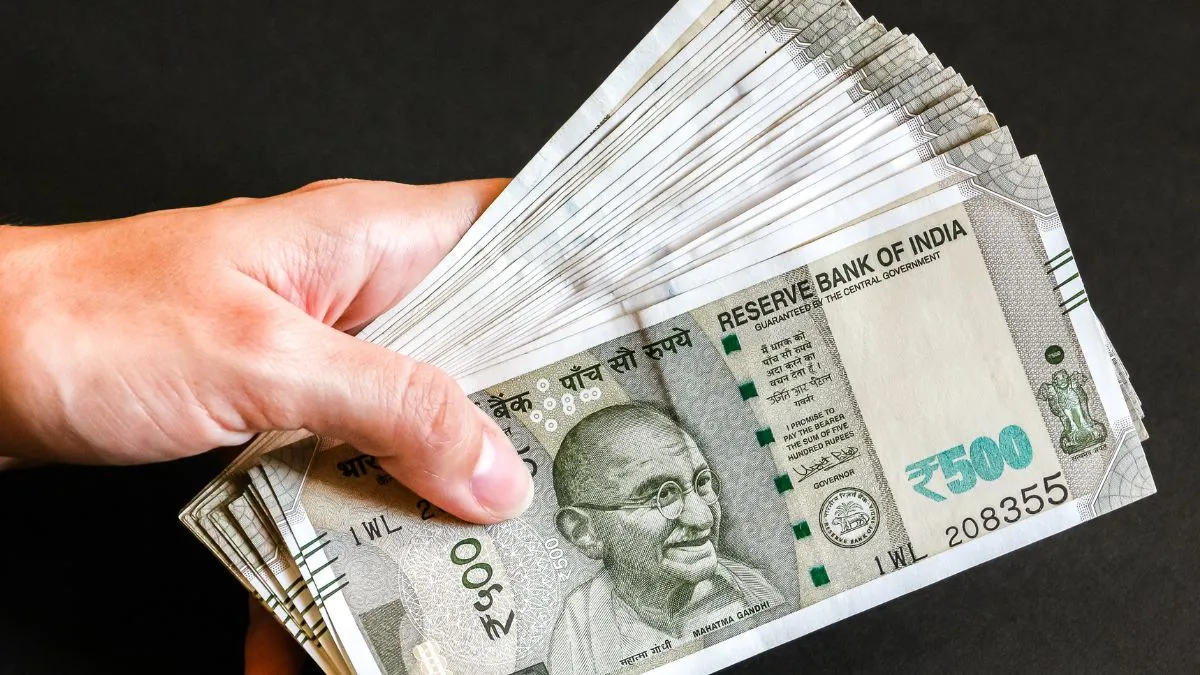
Indian currency notes are unique because they display text in multiple languages. This reflects the rich cultural and linguistic diversity of India. Using many languages on currency helps people from different states understand the value and details printed on the notes. Indian rupee notes are widely recognised for their design, security features, and multilingual presentation.
How Many Languages Are Written on Indian Currency Notes?
There are 17 languages printed on the language panel of Indian currency notes. In addition, Hindi and English are printed on the front side of the note. This means a total of 19 languages appear on Indian currency notes issued by the Reserve Bank of India. This multilingual system ensures that people from various regions can easily identify the denomination.
Which Languages Are Printed on Indian Currency Notes?
The languages printed on Indian currency notes include Hindi and English on the front side. The language panel includes Assamese, Bengali, Gujarati, Kannada, Kashmiri, Konkani, Malayalam, Marathi, Nepali, Odia, Punjabi, Sanskrit, Tamil, Telugu and Urdu. These languages represent major regional languages spoken across India and highlight the country’s linguistic diversity.
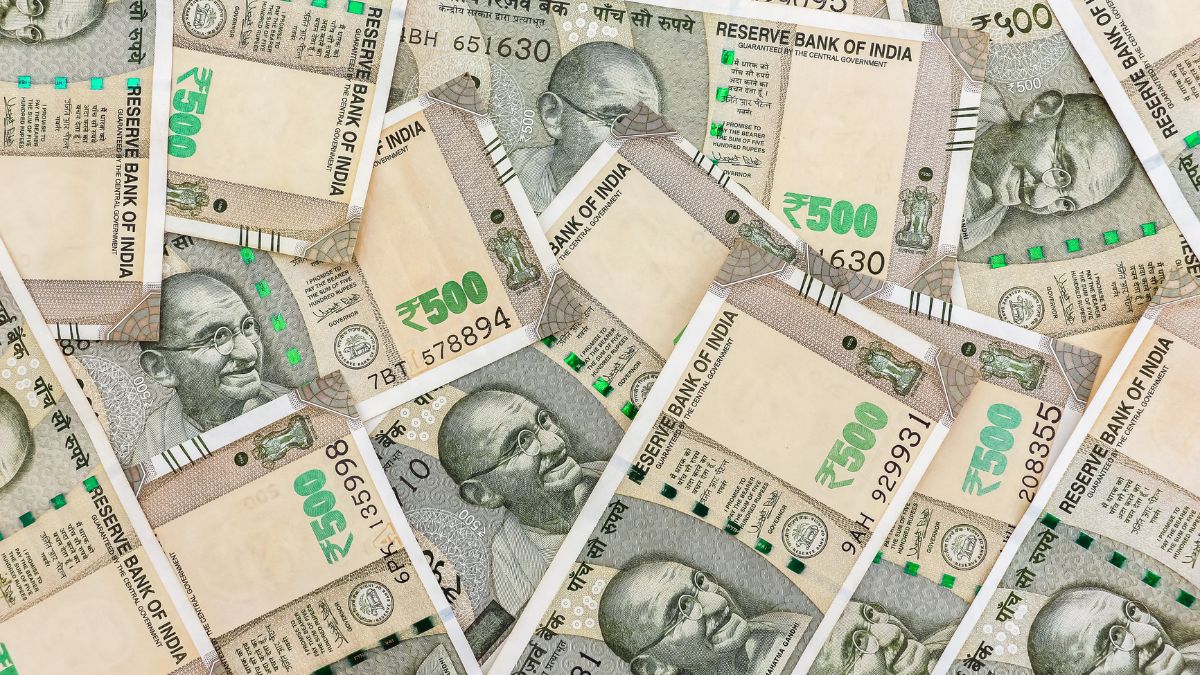
Where Is the Language Panel Located on Currency Notes?
The language panel is printed on the back side of Indian currency notes. It usually appears on the left side of the note and displays the value of the currency in multiple regional languages. This placement ensures that users can quickly identify the denomination even if they do not understand Hindi or English.
Who Issues Indian Currency Notes?
Indian currency notes are issued by the Reserve Bank of India, commonly known as RBI. The RBI is responsible for printing, distributing, and maintaining the quality of currency notes across the country. It also introduces new designs and security features to prevent counterfeiting and ensure safe circulation of money.
Why Are Multiple Languages Used on Indian Currency?
Multiple languages are used on Indian currency to reflect the country’s cultural diversity and make currency accessible to people from different linguistic backgrounds. India has many official languages spoken across states, and printing several languages ensures that everyone can understand currency values easily. This system helps maintain smooth transactions across the country.
What Symbols Are Printed on Indian Currency Notes?
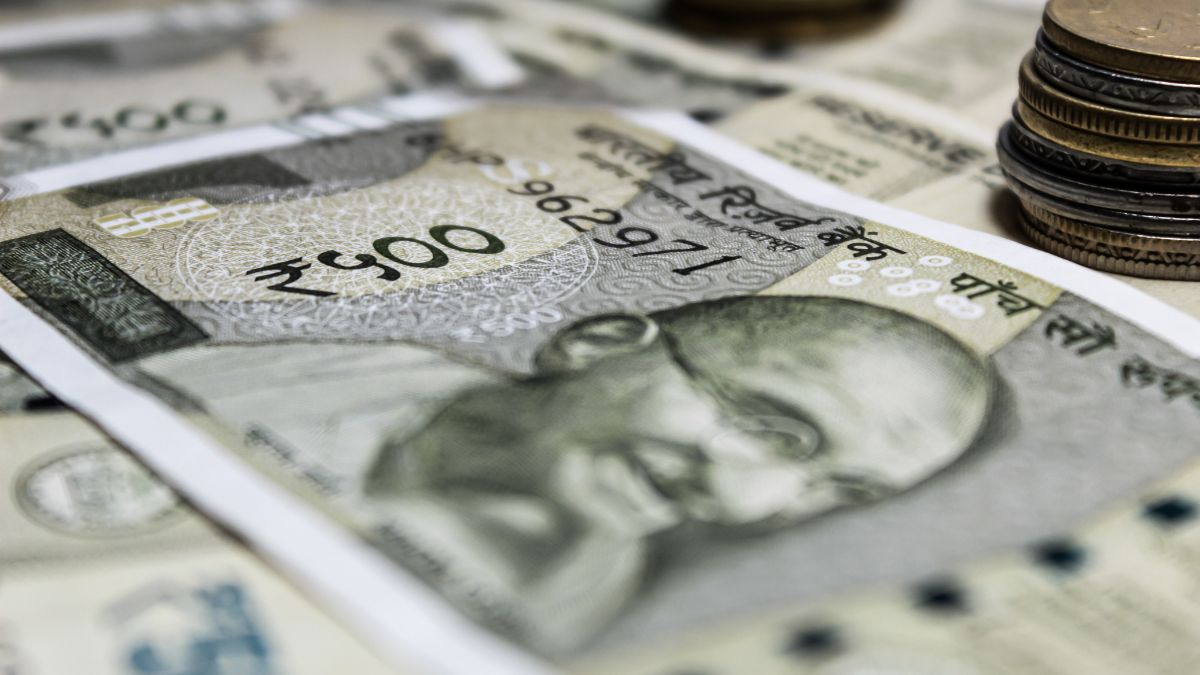
Indian currency notes include various national symbols and important images. Most notes feature the portrait of Mahatma Gandhi on the front side. The back side often displays images of famous monuments, heritage sites, and achievements of India, such as historical structures and cultural symbols.
Interesting Facts About Indian Currency Notes
India Uses One of the Most Multilingual Currency Systems
India is among the few countries that print many languages on its currency notes. This reflects the country’s unity in diversity and makes currency easier to use across regions.
Language Panel Includes Regional Languages
The language panel shows 17 regional languages along with Hindi and English. This makes Indian currency unique compared to many other countries that use only one or two languages.
Modern Currency Notes Have Advanced Security Features
Indian currency notes include several security features such as watermarks, security threads, micro-lettering, and color-changing ink. These features help prevent counterfeiting and improve the safety of transactions.
Different Denominations Have Different Colors
Each denomination of Indian currency note has a unique color and size. This helps people quickly recognize notes and reduces the chances of confusion during transactions.
Indian Currency Notes Feature National Heritage
Many Indian rupee notes display pictures of important monuments and achievements of India. These images represent the country’s culture, history, and progress.
Currency Designs Have Changed Over Time
Over the years, Indian currency notes have gone through several design changes. New series of notes are introduced to improve security and modernize the appearance of the currency.
Indian Rupee Is Represented by a Unique Symbol
The Indian rupee uses the symbol ₹, which combines elements of the Devanagari letter “Ra” and the Roman letter “R”. This symbol represents India’s national identity in global trade and finance.
Read more: Which Is the Second Largest Continent in the World?



Comments
All Comments (0)
Join the conversation