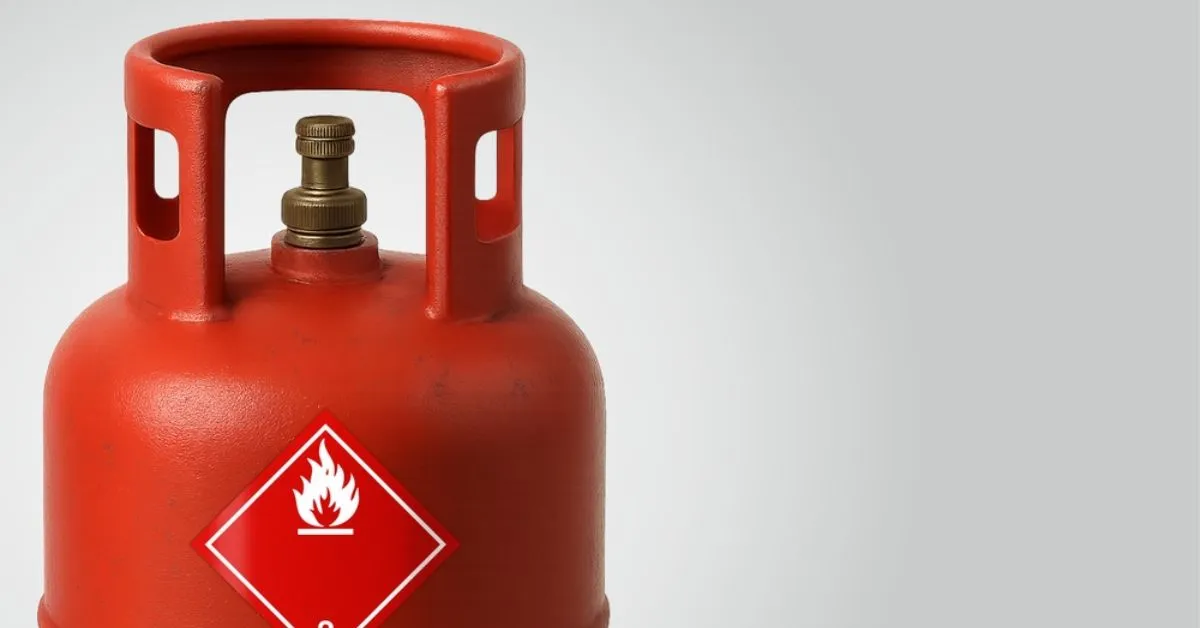
Energy resources are an important topic because they are related to everyday life, economic development, and national policy. One of the most common domestic fuels in India that has been adopted as the household fuel is LPG, which is the cooking source in almost the entire country.
From a general knowledge approach, knowing about the scientific nature, composition and use of the LPG will help the students to have more insight of how the modern fuel operates as well as how it is used in our day by day lives.
1.What is the full form of LPG?
A. Liquid Petroleum Gas
B. Liquefied Petroleum Gas
C. Liquid Propane Gas
D. Low Pressure Gas
Answer: B. Liquified Petroleum Gas.
Explanation: LPG refers to the combination of hydrocarbon gases which could be liquefied under pressure and could be used as fuel.
2. What are the two gases that LPG is composed of?
A. Methane and Ethane
These two most common ones are that of B. Nitrogen and Carbon dioxide.
C. Propane and Butane
D. Hydrogen and Oxygen
Answer: C. Propane and Butane.
Explanation: Propane and butane are hydrocarbon gases and are the ones normally produced during the stages of refining petroleum goods.
3. In which state is LPG stored in cylinders?
A. Solid
B. Gas
C. Plasma
D. Liquid
Answer: D. Liquid
Explanation: LPG is stored in a liquid state.
4. Why is LPG suitable as cooking fuel?
A. High moisture content
B. High calorific value
C. High density
D. Low pressure
Answer: B. High calorific value.
Explanation: LPG is a high-calorific substance and, thus, a great amount of heat energy is produced when it burns.
5. What is the calorific value of LPG?
A. 20 MJ/kg
B. 30 MJ/kg
C. 46 MJ/kg
D. 10 MJ/kg
Answer: C. 46 MJ/kg
Explanation: LPG has a calorific value which is approximated to be 46 mega joules per kg.
6. In which process is LPG formed?
A. Coal mining
B. Solar power generation
C. The refining and processing of natural gas.
D. Nuclear reaction
Answer: C: The refining and processing of natural gas.
Explanation: LPG is formed as a product of the process of refining crude oil and natural gas.
7. Why does LPG have a smell?
A. To improve burning
B. To increase pressure
C. To detect gas leaks easily
D. To reduce weight
Answer: C. To detect gas leaks easily
Explanation: LPG is odorless so chemicals such as ethyl mercaptan are added to it.
8. What is the weight of a domestic LPG cylinder?
A. 5.7 kg
B. 10.1 kg
C. 14.2 kg
D. 25 kg
Answer: C. 14.2 kg
Explanation: There is 14.2 kilos of LPG in Indian domestic cylinder.
9. What type of fuel LPG is?
A. Renewable fuels
B. Fossil fuels
C. Nuclear fuels
D. Biofuels
Answer: B. Fossil fuels.
Explanation: LPG is made from petroleum and natural gas which come from fossil fuel.
10. Why is LPG easy to transport?
A. It is colourless
B. It is liquified under rather high pressure.
C. It burns slowly
D. It contains oxygen
Answer: B. It is liquified under rather high pressure.
Explanation: It can easily be squeezed into liquid form and storage and transportation is enhanced.



Comments
All Comments (0)
Join the conversation