Show Key Points
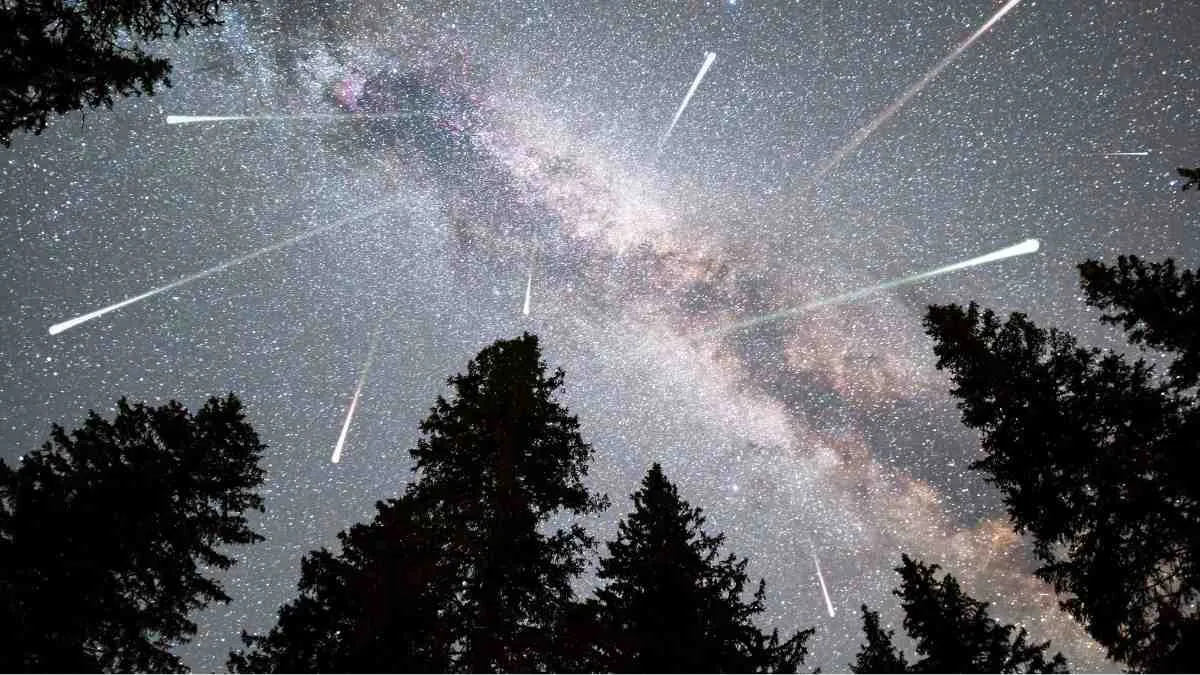
In 2026, there will be more than one opportunity for sky-watchers in the U.S. to witness spectacular meteor shows. Meteor showers happen when Earth travels through the trails of dust and debris that comets or asteroids left behind. As these tiny pieces of debris enter Earth’s atmosphere at incredible speeds, they create a streak of bright light in the sky called a "shooting star".
The Quadrantids, Perseids, and Geminids are all popular meteor showers returning in 2026; the night of their peak activity will be the best time to view them.
Some meteor showers might only deliver a few meteors to view each hour or not many at all, but others may deliver several dozen or more during optimal low-light viewing conditions.
Check Out: Trump Appoints Erika Kirk to U.S. Air Force Academy Board of Visitors
Full List of Meteor Showers 2026
| Meteor Shower | Peak Date (2026) | Estimated Meteors per Hour | Best Viewing Time |
| Quadrantids | January 3-4 | 80-100 | Before dawn |
| Lyrids | April 21-22 | 10-20 | Late night to dawn |
| Eta Aquariids | May 5-6 | 10-20 | Before dawn |
| Perseids | August 12-13 | 60-100 | Midnight to dawn |
| Orionids | October 21-22 | 15-20 | After midnight |
| Leonids | November 17-18 | 10-15 | Midnight to dawn |
| Geminids | December 13-14 | 100-120 | Late evening to dawn |
Meteor Showers Visible in the U.S. in 2026
In 2026, the best meteor showers that can be enjoyed across the USA are the Perseids, Geminids, and Quadrantids.
Out of these three, the Perseid meteor shower, in mid-August. It is the most popular and can produce between 60 and 100 meteors per hour under dark skies, with bright streaks visible even from suburban areas.
The Geminid meteor shower (peaking mid-December) is the strongest and most dependable, with 120 meteors per hour that are visible from almost anywhere in the U.S.
Finally, the Quadrantid meteor shower, peaking in early January, can produce very bright meteors but only lasts for a short period of time, and will generally be best viewed from the northern/central U.S. around 2 am local time.
To ensure that you catch as many meteors as possible during each meteor shower, go to a location with little to no light pollution and try to view them between midnight and dawn.



Comments
All Comments (0)
Join the conversation