Evolution of the Indian Rupee Since Independence: From Colonial Legacy to Digital Future
The Indian rupee has evolved from colonial currency to a modern digital system, reflecting India’s economic growth through reforms, new designs, improved security, and advanced digital payment innovations.
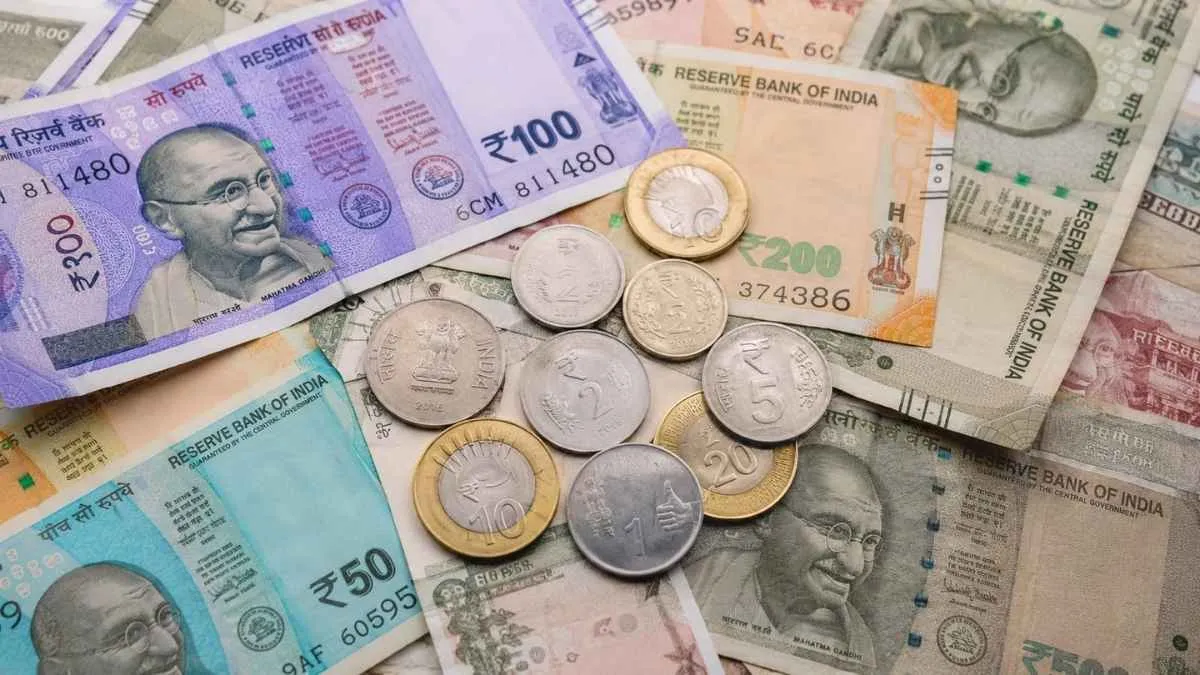
In 1947, India stepped into a new era of transition and reconstruction, as it entered the independence of the country. Though the freedom struggle had ended, the country was also facing poverty, food crisis and economic crisis. At such a time, Indian currency also started taking a different form, both in terms of its value and appearance.
Just After Independence, 1 US dollar was being traded with 3.30 rupees only. At that time, it was connected with a British Pound in the country, as India was born after colonial rule. So soon after, a few modifications were made. In 1950, the country introduced coins with Ashoka Lion Capital instead of the crown of the British rulers. Then, in 1957, India embraced the decimal system, where 1 rupee was now equivalent to 100 paise.
Over time, the Indian currency has also modernized. From a fresh design, more advanced security features, and new digital payment system by the Reserve Bank of India, the rupee has become safer and more popular.
Evolution of Indian Currency Since Independence
Since gaining independence in 1947, India has seen major changes in its currency. From the development of the early post-independence models to the more recent major shifts with digital technology, the Indian rupee has been transformed in form, function and purpose to keep up with the economic development and modernisation of the country.
Here’s the timeline of Indian currency
| Period / Year | Event / Milestone | Details & Impact |
| 1947–1949 | Transition from Colonial Currency | Continued using banknotes featuring King George VI until 1949, when the RBI issued the first independent ₹1 note featuring the Ashoka Lion Capital. Exchange rate was ₹3.30 per USD (pegged to the British Pound). |
| 1950 | Adoption of National Emblem | Following India becoming a republic on January 26, 1950, new coins replaced British symbols with the Ashoka Pillar to mark a symbolic break from colonial rule. |
| 1957 | Decimalization | Shifted from the traditional system (1 rupee = 16 annas) to a decimal system (1 rupee = 100 paise). Coins were initially termed "Naya Paise" until the prefix was dropped in 1964. |
| 1966 | Currency Devaluation | Severe economic pressures, trade deficits, and recent wars led to a devaluation, bringing the exchange rate to around ₹7.50 per USD. |
Structural Shifts and Modernization of Indian Currency since Independence (1970s–1990s)
India’s economy has evolved, and its currency system has had to evolve to keep pace. From a variety of changes, including devaluation, an increase in the volume of imports and changes in the rupee’s exchange regime, the rupee that we use today is a culmination of several steps that have been taken along the way. The transition from a less flexible currency system to a modern one has happened gradually, with a series of fiscal and monetary decisions and the introduction of new notes making the rupee a strong currency for India’s economy. These steps brought us to where we are now, with a more flexible currency.
A timeline of major change:
- 1975: India de-linked its single use of the rupee for one British Pound, and began to use multiple currencies.
- 1987: Rupee was rising in price, and this led to the introduction of the ₹500 note
- 1991: There was an economic crisis, leading to a series of huge reforms and the devaluation of the rupee.
- 1992: The rupee began to become partially convertible.
- 1996: Introduction of the new notes with Mahatma Gandhi on them. The currency had better security around it.
Evolution of looks for Indian notes and coins since independence
India’s banknotes and coins have undergone changes to depict the country’s identity and changing requirements. Both notes and coins have been upgraded with newer secure designs and aesthetics, ranging from older colonial-era to current designs. The change in material, design and denominations, denote how India’s economy and technology have progressed.
Here is the evolution of Indian banknotes and coins:
| Year / Period | Banknotes (Notes) | Coins | |
| 1947–1949 | King George VI banknotes continued temporarily until the first independent ₹1 note was issued in 1949. | British-era coins remained in circulation during the initial post-independence transition. |
|
| 1950s–1980s | Ashoka Pillar Series: Introduced featuring motifs of national identity, fauna, and development projects. | 1950: Coins introduced featuring the Ashoka Lion Capital, replacing the British monarch's bust. |
|
| 1957 | - | Decimalization: Shifted from 1 Rupee = 16 Annas to 1 Rupee = 100 Naya Paise (prefix dropped in 1964). |
|
| 1960s–1980s | Higher denomination notes (₹20, ₹50) introduced over time to handle economic growth. | Transitioned from cupro-nickel to lighter metals like aluminum and stainless steel due to metal costs. |
|
| 1990s–Present | - | Small denomination paise coins phased out; ₹1, ₹2, ₹5, and ₹10 became standard circulating coins. |
|
| 1996–2016 | Mahatma Gandhi Series: Introduced featuring Gandhi's portrait, advanced watermarks, and enhanced security features. | Stainless steel and bimetallic coins widely circulated alongside paper notes. |
|
| 2009–Present | - | Bimetallic ₹10 coins introduced, followed later by ₹20 coins (2019) with braille-friendly features. |
|
| 2016–Present | Mahatma Gandhi (New) Series: Launched post-demonetization with vibrant colors, reduced dimensions, and heritage motifs (e.g., Red Fort, Mangalyaan). | Continued modern coin series incorporating the official Indian Rupee symbol (₹) introduced in 2010. |
|
Modern Era of Indian Currency: Shift Towards Digital and Global Growth
In contemporary times, the Indian currency system entered the digital and global arenas at a rapid pace. In 2010, ₹ was motivated to give the rupee the right to a worldwide identity and a new look. The most significant upgrade came into being during 2016, when the Indian government demonetized ₹500, and ₹1,000 notes in order to replace them with new notes. At the same time, digital payments have taken off, in particular via UPI, which means faster and easier transactions for the populace. India is now one of the world's culprits in real-time digital payments. Recently, e-rupee or digital rupee, is yet another milestone when the Reserve Bank of India (RBI) has begun its development and implementation.
As India moves forward, innovations like the digital rupee signal a future where currency is not just physical or paper-based, but seamlessly integrated into a digital ecosystem.

Aishwarya Samant is a journalist with over 4 years of experience navigating the fast-paced corporate media landscape. She specializes in decoding business news, world economy, personal finance, and stock market trends, often adding a subtle touch of political perspective to keep things interesting.
Having worked with reputed organizations like ZEE, TV9, News24, and NewsX, she is no stranger to the newsroom hustle and the demands of real-time storytelling. Her writing style is fast-paced, engaging, and crafted to connect seamlessly with diverse audiences across platforms. She approaches every story from the reader’s point of view, breaking down complex topics into clear, relatable narratives backed by solid facts and credible sources. While she’s confident in expressing strong viewpoints, she ensures balance with insights. Sharp, fact-driven content that informs, engages, and keeps readers coming back for more.