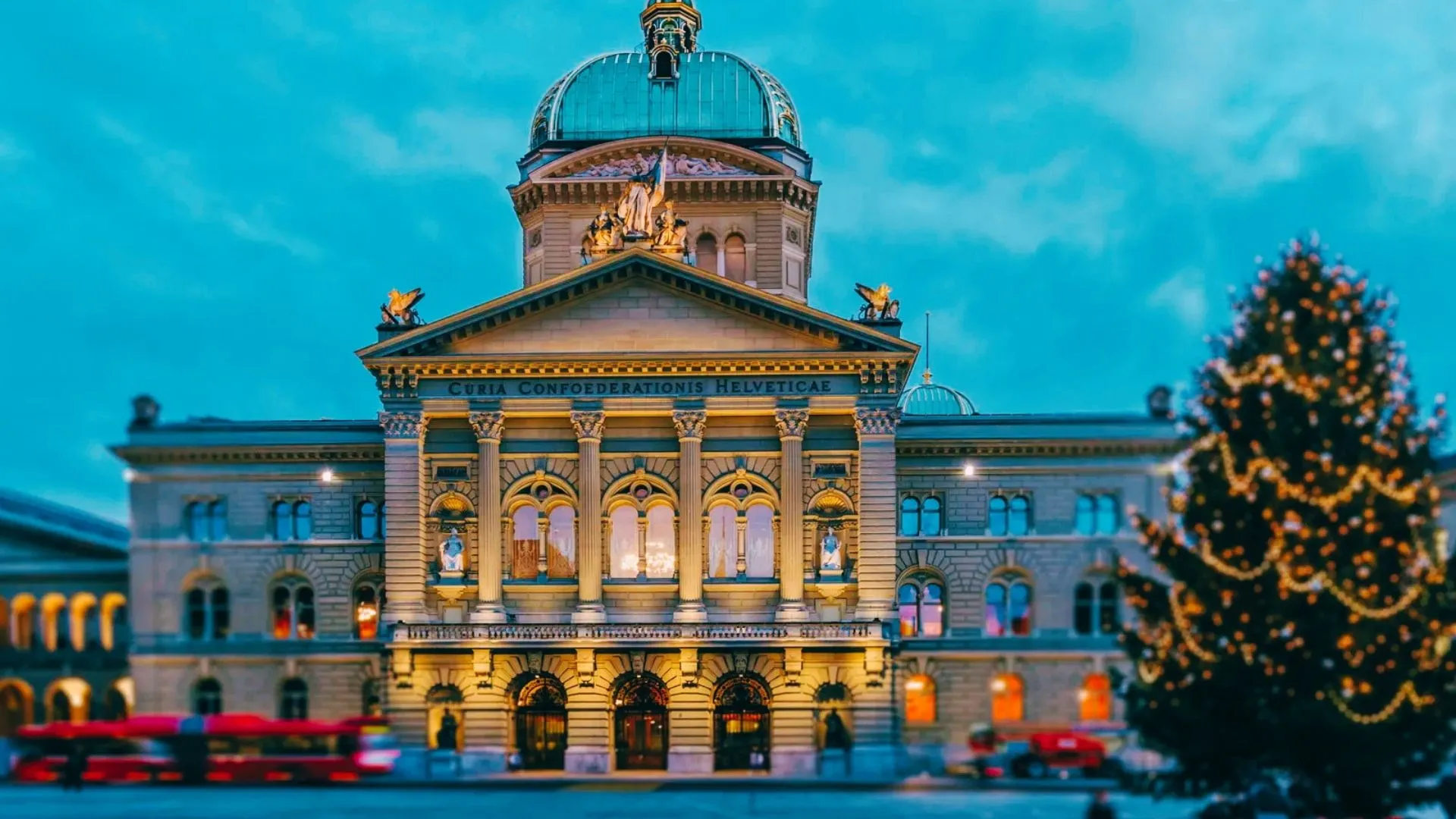
All nations have at least one head of state and one government. However, there are some nations that lack presidents as their heads of government. These nations delegate power using councils, monarchies, religious representatives, or rotating officials.
It is crucial for people to know about this concept in modern times, given that 44 sovereign nations have presidents while other nations succeed with various forms.
Herein, readers will learn about nations without presidents, their system of governance, and comparisons.
Which Country Has No President?
There exist several states that do not have presidents but run their affairs using councils, kings, or special arrangements, in contrast to one-person executive leadership. The country with a Federal Council system is Switzerland, while the Vatican City follows the orders of the Pope.
| Country | Leadership Style | Key Details |
| Switzerland | Seven-member Federal Council | Power shared equally; President rotates yearly as figurehead |
| Vatican City | Absolute monarchy | Ruled by the Pope (Bishop of Rome); no elections for head |
| San Marino | Diarchy republic | Two Captains Regent serve six-month terms; world's oldest republic |
| Andorra | Co-principality | Led by France's President and Spain's Bishop of Urgell |
| Liechtenstein | Constitutional monarchy | Prince Hans-Adam II holds executive power |
| Monarchies (UK, Japan, Saudi Arabia) | Hereditary rule | Kings, queens, emirs, or sultans as head of state—no presidents |
These systems promote stability through balance or tradition.
How Do Countries Without Presidents Govern?
Non-presidential countries divide leadership roles to avoid power accumulation through rotations or groups. In Switzerland, decisions regarding policies are made through a collective vote from the council. The Pope, who is the leader in Vatican City, holds both spiritual and civil power at once.
-
Collective Rule: Switzerland's seven equals handle federal matters; annual "president" is ceremonial.
-
Religious/Monarchic: Vatican skips elections—the Pope reigns for life.
-
Short Terms: San Marino refreshes leaders every six months to prevent corruption.
-
Dual Heads: Andorra splits power between French and Spanish figures.
This prevents one-person rule seen in some republics.
Why Choose No President?
Removing presidents can result from past experience, size, or value for consensus over charisma. Small states like San Marino (301 AD onwards) became experts in consensus to maintain their survival. In monarchies, such as Japan’s emperor, symbolism is everything while parliament rules.
Pros include less drama and gridlock:
-
Stability in crises (Swiss neutrality).
-
Cultural continuity (British monarchy).
-
Efficiency for micro-nations.
Cons? Slower big decisions. Still, these models prove diverse governance works globally.
Conclusion
Countries that lack presidents such as Switzerland, the Vatican State, and other countries with monarchs flourish using councils, popes, or kings. This proves that leadership does not have to be embodied by one person.