Top 10 Countries With the Largest Tiger Population in the World
India has the largest wild tiger population in the world, followed by Russia, Indonesia and Nepal. Check the top 10 countries with the highest number of tigers and conservation facts.
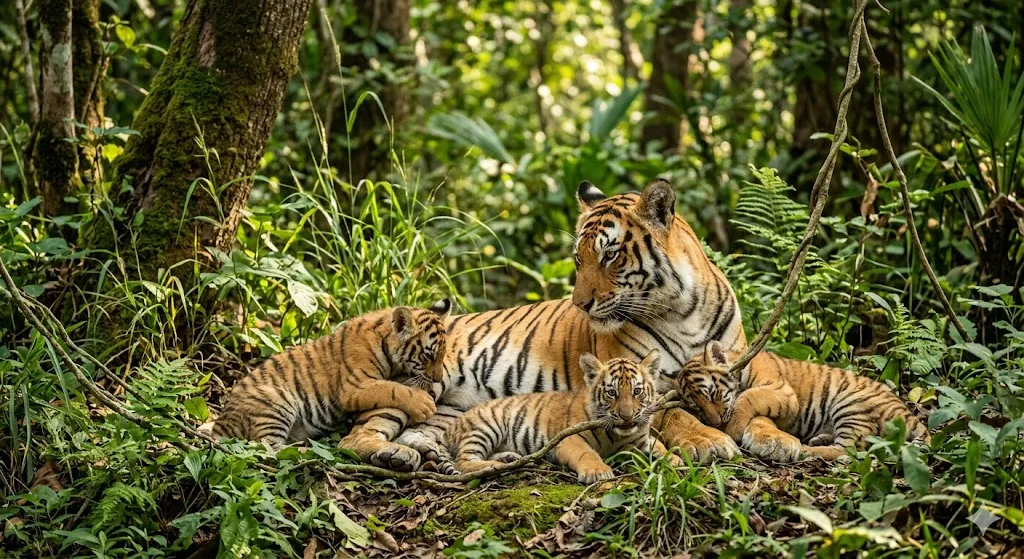
Tigers are among the most iconic and formidable wild animals on the planet. These majestic big cats are mostly found in Asia and are considered as an important indicator of healthy ecosystems. However, tiger populations have been steep decline over the years due to habitat loss, poaching and human-wildlife conflict. Today, only a handful of countries retain large populations of wild tigers. India has the highest tiger population in the world and leads in tiger conservation efforts across the world.
Which Country Has the Largest Tiger Population in the World?
India has the largest population of wild tigers in the world. India is home to more than 3,000 wild tigers, comprising the lion’s share of the world’s tiger population, recent estimates suggest. The success of the country is largely related to Project Tiger launched in 1973, along with the creation of tiger reserves, habitat protection and anti-poaching measures.
Top 10 Countries With the Largest Tiger Population
| Rank | Country | Wild Tiger Population (Estimated) | Main Tiger Species |
| 1 | India | 3,167 | Bengal Tiger |
| 2 | Russia | 750 | Amur (Siberian) Tiger |
| 3 | Indonesia | 393 | Sumatran Tiger |
| 4 | Nepal | 355 | Bengal Tiger |
| 5 | Thailand | 189 | Indochinese Tiger |
| 6 | Bhutan | 151 | Bengal Tiger |
| 7 | Malaysia | 150 | Malayan Tiger |
| 8 | Bangladesh | 125 | Bengal Tiger |
| 9 | China | 114 | Amur Tiger |
| 10 | Myanmar | 22 | Bengal/Indochinese Tiger |
1. India
India has the largest number of wild tigers and is the world’s tiger conservation champion with more than 3,000 tigers reported across the country. Tigers live in a range of habitats, including forests, grasslands, wetlands and mangroves. Some of the important tiger habitats are Madhya Pradesh, Karnataka, Uttarakhand, Maharashtra, Assam and Rajasthan. India has more than 50 tiger reserves, including the famous ones of Jim Corbett, Ranthambore, Kanha, Bandhavgarh and Tadoba. Over the years, the country’s conservation programmes have helped the tiger population increase substantially.
2. Russia
Russia has the world’s second-largest tiger population, with about 700 to 750 tigers living in the wild. The Amur tiger, also known as the Siberian tiger, the largest tiger subspecies, lives here. These tigers live in the cold forests of the Russian Far East, particularly in the Sikhote-Alin region. Conservation efforts, strict wildlife protection laws and anti-poaching campaigns have aided in protecting this rare tiger population.
3. Indonesia
Indonesia has some 300-400 wild tigers, mostly the critically endangered Sumatran tiger. The Sumatran tiger is found only on the island of Sumatra and is adapted to tropical forest habitat. Loss of habitat from deforestation and human activities continues to be a major threat. Conservation groups and government programmes continue to work to save forests and preserve the remaining population of the Sumatran tiger.
4. Nepal
Nepal has become a success story in tiger conservation with about 300-350 wild tigers. The country has increased the number of tigers through strong protection, habitat restoration and community-based conservation programmes. The major tiger habitats are the Chitwan National Park, Bardia National Park and the Terai region. The way Nepal conserves its natural resources has got international recognition.
5. Thailand
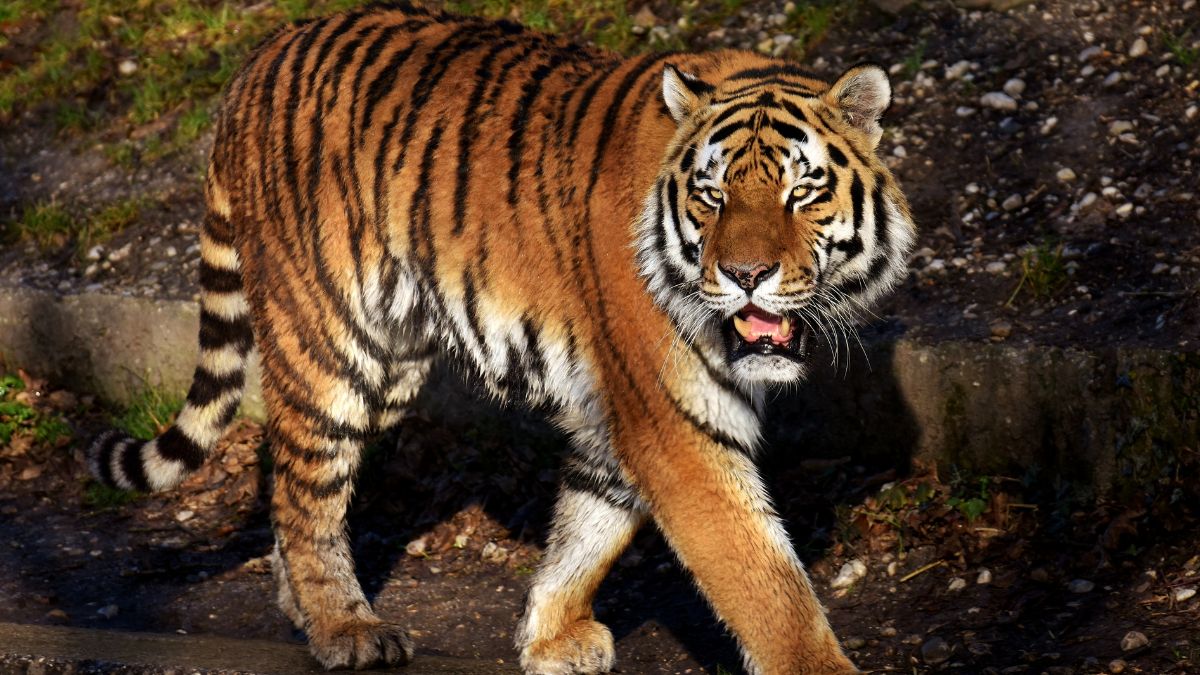
Thailand has some 150 to 200 tigers in the wild, most of them in protected forest areas like the Western Forest Complex. The country is a key habitat for the Indochinese tiger population. Camera trapping, forest protection and anti-poaching operations are being used to monitor and protect Thailand’s remaining tigers.
6. Bhutan
Bhutan has about 100-150 wild tigers and is unique in that its tigers live in mountain landscapes. The country has good forest cover and strong environmental policies, which provide suitable habitats for Bengal tigers. “Bhutan is a small country but has been able to maintain its tiger population thanks to its focus on biodiversity conservation.
7. Malaysia
In Malaysia, there are about 100-150 wild tigers, mostly Malayan tigers, a critically endangered subspecies. This tiger inhabits forest areas like Taman Negara and other protected areas. They are still at risk from habitat loss and illegal wildlife trade, so conservation efforts are very important.
8. Bangladesh
Bangladesh has 100-125 wild tigers, mostly in the Sundarbans mangrove forest. These tigers have evolved to a unique environment of tidal waterways, dense mangroves and coastal landscapes. The conservation work here focuses on the Sundarbans ecosystem and reducing conflict between people and tigers.
9. China
China’s population of wild tigers is estimated to be around 100, much smaller. The country’s main population of Amur tigers lives along the northeastern border with Russia. China has created protected areas and breeding programmes to help conserve tigers and increase their chances of making a population comeback.
10. Myanmar
Myanmar’s remaining tiger population is one of the smallest in the world, with an estimated less than 30 wild tigers left in the country. Tigers are found in isolated forest patches. But the population has been affected by habitat loss, poaching and poor conservation measures. Protecting Myanmar’s forests is vital to saving the last remaining tiger populations in Southeast Asia.
Why Is India Home to the Most Tigers?
India’s large tiger population is due to decades of conservation efforts and availability of suitable habitats. The country offers a diverse array of ecosystems suitable for tigers, such as Himalayan forests, tropical forests and mangrove areas. Programmes such as Project Tiger and the National Tiger Conservation Authority have been instrumental in tracking tiger populations and safeguarding their habitats.
Interesting Facts About Tigers
India Has More Than Half of the World’s Wild Tigers
India is considered the best global home for tigers as it has the largest wild population of the species.
Tigers Are Found Only in Asia
Unlike lions which are found in the wild in Africa and India, wild tigers are found only in Asia.
Every Tiger Has Unique Stripes
Just as no two people have the same fingerprints, no two tigers have the same stripe pattern.
Tigers Are Excellent Swimmers
Unlike most other big cats tigers are fond of water and are good swimmers over a long distance, for example in the Sundarbans.

Jasreet Kaur is a journalist with over 3 years of experience in digital media and news content creation. She specializes in covering Trending News, including major National and International developments, with a focus on delivering accurate, engaging, and reader-friendly stories. Prior to this, she worked with Zee News as a Content Writer, where she gained extensive experience in news reporting and content strategy. Driven by curiosity, credibility, and a passion for impactful journalism, Jasreet aims to contribute to informed public discourse while supporting positive growth in organizations, society, and the world.

-1781765765095_t.webp)

