India Lost 40 Million Vultures in 30 Years — Here’s Where World’s Surviving Vultures Actually Live
Do you know which country has most of the vultures? These are special birds that fly as high as commercial airliners and have stomach acid stronger than car battery acid. Let's see which unexpected country is leading the world in vulture populations.
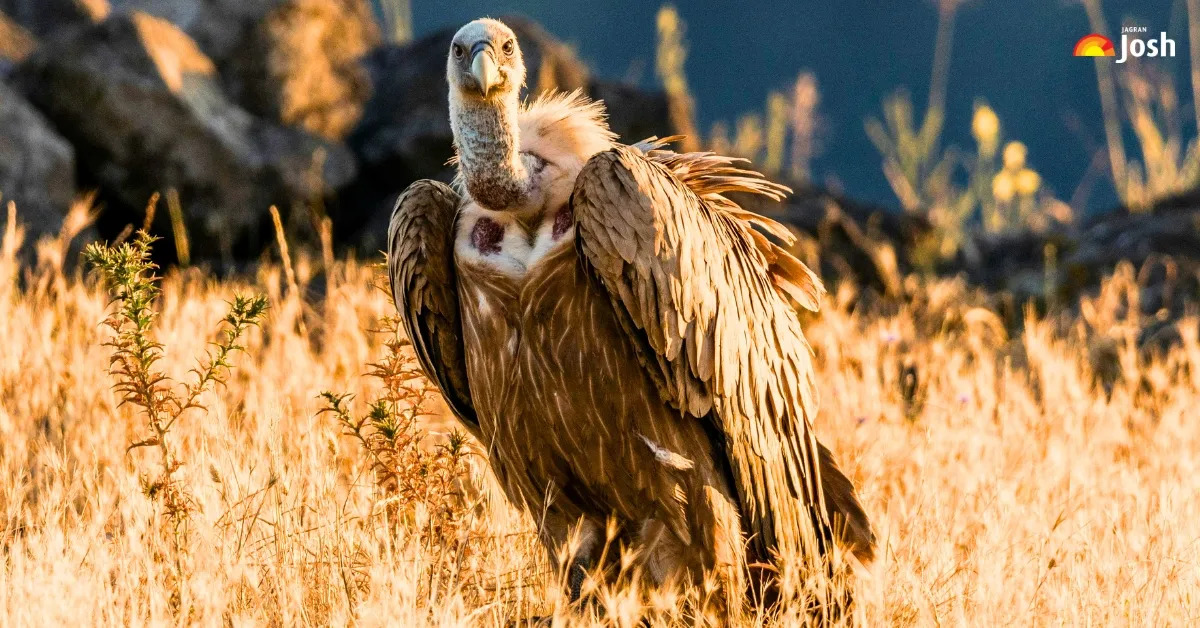
Animals such as vultures, crows, hyenas, foxes, jackals, eagles, and others are all scavengers that eat dead animals also known as 'carrion'. This helps prevent the spread of dangerous diseases like tularemia and salmonellosis.
Among scavengers, Vultures are considered the most famous necrophages (another word for scavengers). They help keep nature clean by eating animal carcasses. You can find vultures all over the world. Unfortunately you cannot find them in Antarctica and Australia.
There are a total of 23 species of vultures in the world, divided into 2 categories: Old World Vultures and New World Vultures. Under Old World vultures there are a total of 16 species of vultures and under the New World vultures there are a total of 7 species.
In India, you can find 9 species of vultures and most of them are marked “Critically Endangered” by the IUCN. Looking at the stats, India has lost more than 99% of its vulture population over the past decades.
Which Country Has The Most Vultures In The World?
Vultures are found all over the world but mostly on continents like Asia, South/North America and Africa. However, the country that shines boasting the most vulture species in the world is none other than India.
Yes, the country which has lost more than 99% of its vulture population is the home ground for most vultures in the world. India is home to the following vulture species in the world:
| Species | IUCN Status | Size | Wingspan | Distribution |
| Indian vulture (Gyps indica) | Critically endangered | 78-93 cm | 190-220 cm | Found in India, Pakistan and Nepal |
| White-Rumped vulture (Gyps bengalensis) | Critically endangered | 70-85 cm | 180-200 cm | Mainly in India and parts of Bangladesh, Pakistan, and Nepal |
| Slender-billed vulture (Gyps tenuirostris) | Critically endangered | 75-85 cm | 190-210 cm | Limited to parts of India and Pakistan |
| Himalayan vulture (Gyps himalayensis) | Near threatened | 85-95 cm | 220-270 cm | Found in the Himalayan region of India, Nepal, Bhutan, and Tibet |
| Bearded vulture (Gypaetus barbatus) | Near threatened | 80-90 cm | 195-580 cm | Found in parts of northern parts of India, Including the Himalayas |
| Egyptian vulture (Neophron percnopterus) | Endangered | 55-65 cm | 150-165 cm | Found in parts of northern and western parts of India |
| Griffon vulture (Gyps fulvus) | Least concerned | 80-100cm | 220-250 cm | Found in parts of northern and western parts of India |
| Cinereous vulture (Aegypius monachus) | Near threatened | 90-105 cm | 250-290 cm | Occasionally found in northern regions of India |
| Red-headed vulture (sacrogyps calvus) | Critically endangered | 70-80 cm | 180-200 cm | Found in parts of India and southern Asia |
Currently, India has a total vulture count of 30,000 to 40,000 birds across all species. In the early 1980s, India was home to approximately 40 to 50 million vultures. This made India the only country with the most vultures in the world.
However, in the mid-1990s, the population of these vultures decreased rapidly. In the 2000s, India lost more than 97-99% of vulture species. Currently, there are only a few thousand vultures left in India.
Do you out of these 9 species, which 2 species were hard hit? The White-Rumped Vultures and the Indian Vultures and the Slender-billed Vultures. The White-Rumped Vulture population declined by 99.9% between 1992 and 2007. Whereas the Indian Vulture and Slender-billed ones saw a major 97% drop.
Why Did India Lose 99.5% of Its Vultures in Just 30 Years?
The reason India lost 97-99% of vultures was because of diclofenac, an inexpensive anti-inflammatory drug and painkiller that most of the Indian farmers gave to their cows and cattle. This drug is dangerous for vultures.
Since vultures are natural cleaners keeping the environment clean. Consuming the carcasses of these cattle was toxic for them which resulted in kidney failure and death within a few days. A single carcass of the cattle could poison 10 birds at once.
Because vultures weren't there to clean up dead animals anymore, the environment got really bad. A big study from 2024 said that when the vultures disappeared, tons of feral dogs and rats came and spread rabies and bad bacteria in the water. This killed like 500,000 people between 2000 and 2005.
India finally banned the drug diclofenac in 2006 and some other bad drugs recently too. Now groups like BNHS are doing captive breeding and due to their conservation efforts the population has stopped falling down. It's stable now but their number is still very small compared to back then.

Kriti Barua is a skilled digital journalist and communications professional with 4+ years of experience, currently writing for the General Knowledge section at Jagran New Media. She has established herself as a subject matter expert in History, Geography, Trending National and International News, Sports, Science, and Defence, producing clear, reliable, and search-optimised content that connects with readers worldwide.
Kriti holds a BA degree from Delhi University and a one-year diploma in TV Production and Journalism, an academic background that adds research depth and strong storytelling instincts to her writing. Her experience spans brand writing, content marketing, and digital media, giving her a sharp understanding of what makes content both helpful to readers and visible in search.
At Jagran New Media, she applies this expertise to national and international news coverage, query-based articles, and in-depth pieces across her specialist subject areas. Her content is defined by easy language, factual accuracy, strong keyword strategy, and reader-friendly storytelling.


-1782381401693_t.webp)
