Why is Balochistan known as the Mineral Treasure of Pakistan?
Do you know why Pakistan is known as a mineral treasure? It holds approximately $ 6 trillion mineral reserves including large copper, gold and rare earth elements. Explore more about Pakistan's Mineral treasure.
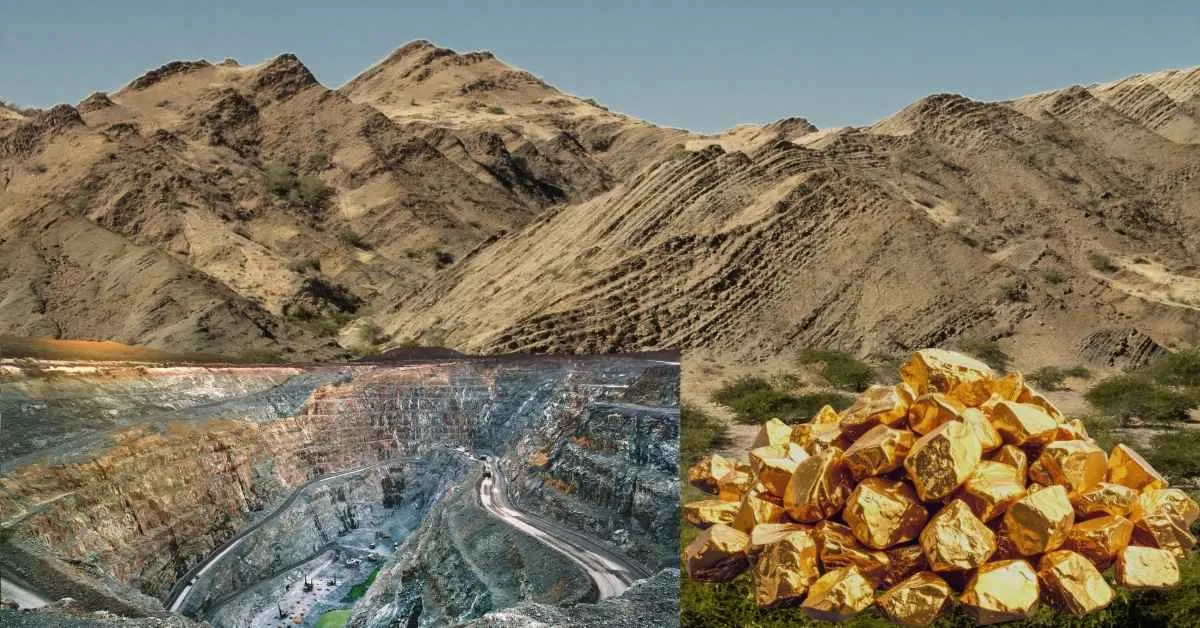
Balochistan is Pakistan’s largest province with a total area of 347190 square kilometers. It was established in 1970 and its capital is Quetta. Balochistan has the largest untapped mineral reserves including Copper, Gold and coal which is estimated at a value of $6 trillion. Despite being the largest mineral hub Balochistan is considered the least developed province of Pakistan.
Why is Balochistan Known as Pakistan’s Mineral Treasure?
Balochisan’s 347,190 square kilometers area accounts for 44% of its total land area. However, it accounts for only 6% of Pakistan’s total population. Balochistan’s huge land mass has a high concentration of mineral reserves.
Balochistan has 92 districts of which 50 are essential for commercial minerals. These districts account for Pakistan’s total 68% of mineral reserves.
Balochistan's geography is also unique because it lies on three major tectonic plates that are Indian, Eurasian and Arabian. This unique subterranean friction created fracture faults and magmatic arcs. It traps trillions of dollars of valuable elements beneath its surface.
This unique subterranean friction created fractured faults and magmatic arcs, trapping trillions of dollars of valuable elements right beneath the surface.
List of Largest Mineral Reserves in Balochistan
| S. No | Mineral | Extraction Area / District | Estimated Reserves |
| 1. | Copper | Reko Diq and Saindak in Chagai District | 12.3 million tonnes |
| 2. | Gold | Reko Diq and Saindak in Chagai District | 20.9 million tonnes |
| 3. | Natural Gas | Sui in Dera Bugli District | 9 trillion cubic feet as per the original reserve baseline |
| 4. | Iron Ore | Bilband in Mastung and Pachin Koh in Chagai | 273 million tons |
| 5. | Coal | Chamalang, Duki, Degari, Mach and Harnai | 217 million tons |
| 6. | Sulfur | Koh-i-Sultan in Chagai District | 50 million tons |
| 7. | Baryte | Khuzdar District | 14 million tons |
| 8. | Chromite | Muslim Bagh, Khanozai and Wadh | Contain more than 90% of Pakistan's total domestic output |
| 9. | Limestone and Granite | Lasbela, Loralai and Quetta | Considered as inexhaustible structural deposits level |
| 10. | Onyx Marble | Chagai District | Extensive reserve |
| 11. | Lead and Zinc | Duddar in Lasbela, Gunga and Surmai in Khuzdar | millions of tons of high-grade carbonate ore |
Reko Diq gold and Copper Project
It is believed that the world’s largest copper and gold reserves are untapped in the rocks of the Reko Diq of Chagai district of Balochistan. It is estimated to be home to 5.9 billion tonnes of mineral reserves including gold and copper.
According to the Australian mining company BHP Minerals, Reko Diq’s home to the world’s largest untapped minerals. The International Finance Corporation (IFC) backs the exploration project.
For gold production and exploration the Pakistan Chemical Manufacturers Association in partnership with the Barrick Gold Corporation will produce around 260,000 tonnes of copper and 300,000 ounces of gold annually. Phase one of the project will begin in 2028.
Manisha Waldia is a distinguished content strategist with 5 years of experience crafting premium educational content for UPSC and State PCS, with a focus on deep conceptual analysis across Polity, Geography, History, and Environment. She currently brings this expertise to Jagran Josh, where she covers major national and international events, current affairs, and static general knowledge. Over her career, Manisha's specialized insights have led her to curate high-impact materials and serve as a UPSC Mains answer-evaluator for India’s top institutes—including Drishti IAS, Shubhra Ranjan IAS, Study IQ, GS Score, and PWonlyIAS. She has also worked alongside leading NGOs like Oxfam India and Avani Kumaon.
Contact: manisha.waldia@jagrannewmedia.com




![[OUT] RSSB Mahila Supervisor Admit Card 2026 Live: Download Rajasthan Female Supervisor Hall Ticket at rssb.rajasthan.gov.in- Link Active](https://img.jagranjosh.com/images/2026/July/2072026/Add-a-heading-(2).jpg)