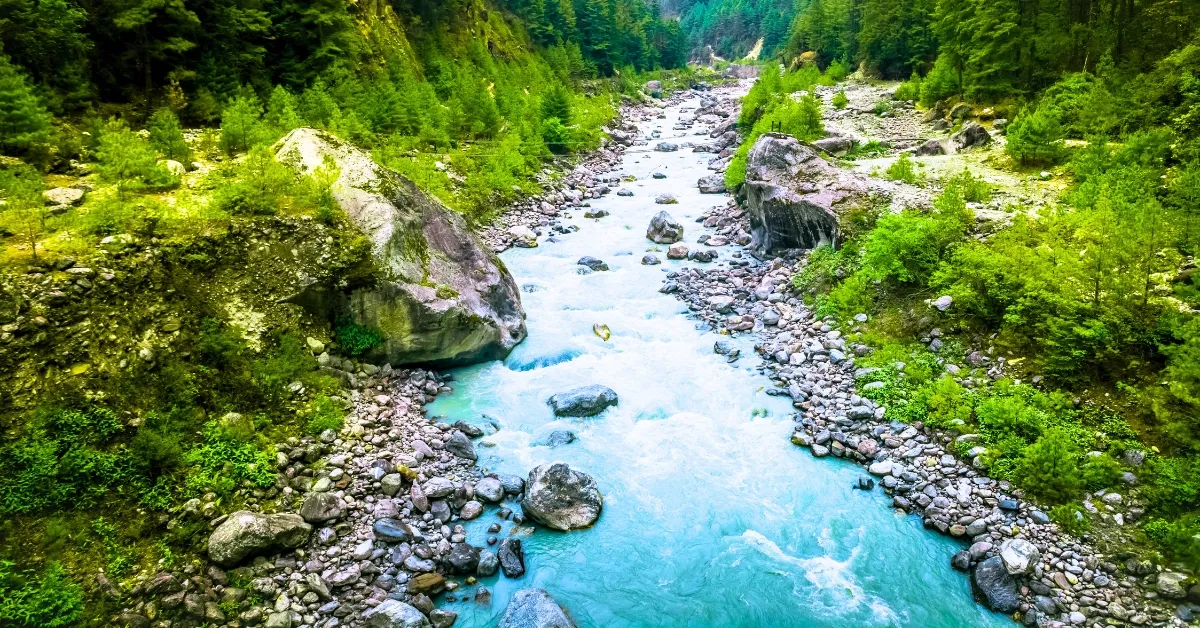
Lifeline of Gujarat: India has more than 400 rivers and 20 major river basins. The Ganga is the country's longest river, and the Brahmaputra is the widest. Each state takes pride in its own rivers. Many rivers have special names; for example, the Damodar is known as the "Sorrow of Bengal". Do you know which river is called the "Lifeline of Gujarat"? This important river passes through three states and is the largest west-flowing river in India. Ancient texts mention it as one of the seven holy rivers of India. In this article, we will explore its history, significance, and natural beauty.
Which River is known as the Lifeline of Gujarat?
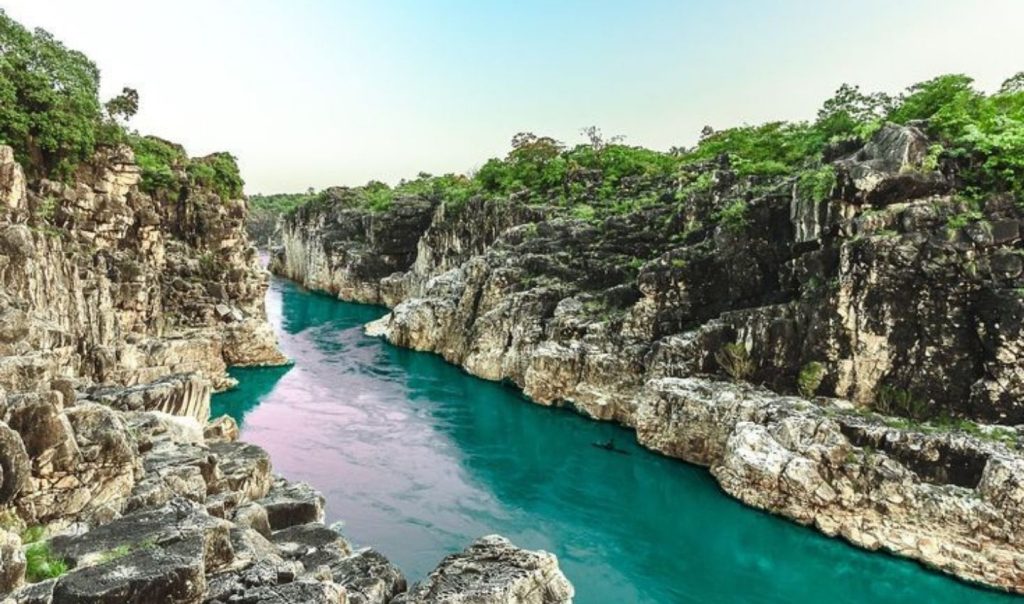
The Narmada River is often called the "Lifeline of Gujarat". This name comes from the way it supplies water for drinking and daily use, as well as for large irrigation projects that help millions of people and farmers throughout the state.
The Journey of the Narmada
The river begins its journey at Amarkantak in the Maikal Ranges of Madhya Pradesh. Unlike most major Indian rivers, which flow eastward toward the Bay of Bengal, the Narmada flows westward.
- The Path: It travels through deep valleys and rocky gorges, carving beautiful landscapes like the Marble Rocks in Bhedaghat.
- States Covered: The river flows through three Indian states: Madhya Pradesh, Maharashtra, and Gujarat.
- The End: After travelling about 1,312 kilometres, it empties into the Arabian Sea through the Gulf of Khambhat.
5 Lesser-Known Facts About the Narmada
- The Narmada is one of only three major rivers in India that flows in a rift valley, formed by the earth's tectonic shifts.
- Scientists believe the Narmada valley is one of the oldest geological formations in India, predating the Himalayas.
- Because it flows through hard rocky terrain, the river does not form a delta but enters the sea through a wide estuary.
- The Narmada Valley is a world-renowned palaeontological site, where several Titanosaur and Rajasaurus fossils have been discovered.
- Despite not being fed by melting snow like Himalayan rivers, it maintains a steady flow due to heavy monsoon rainfall and forest absorption.
Which River Is The Longest In Gujarat?
The Sabarmati River is the longest river that runs mostly within the state. Although the Narmada is bigger, the Sabarmati covers about 371 kilometres from the Aravalli Hills to the Gulf of Khambhat. It provides essential water to cities such as Ahmedabad and Gandhinagar and is important to the region's urban growth.
What Is The Famous Dam In Gujarat?

The Sardar Sarovar Dam is Gujarat's most well-known and important dam. Built on the Narmada River, it ranks among the largest concrete gravity dams in the world. The dam supplies drinking water to thousands of villages and supports large irrigation systems. The nearby Statue of Unity, which is the tallest statue in the world, also attracts many visitors from around the globe.
Which River Is Famous In Gujarat?
The Narmada River is Gujarat's most well-known river. People respect it not only as a source of water but also as a sacred river called "Rewa". It is known for flowing west and for being mentioned in ancient Indian texts. The river's importance is honoured through the "Narmada Parikrama", a pilgrimage in which devotees walk its entire length.
What Is The Main River Of Gujarat?
The Narmada is known as the main river of Gujarat and is often called its "Lifeline." It plays a key role in the state's economy by supporting farming, industry, and power generation. Without the Narmada’s water, the dry areas of Kutch and Saurashtra would struggle with severe water shortages. The river is essential to both Gujarat's land and its economy.