Show Key Points
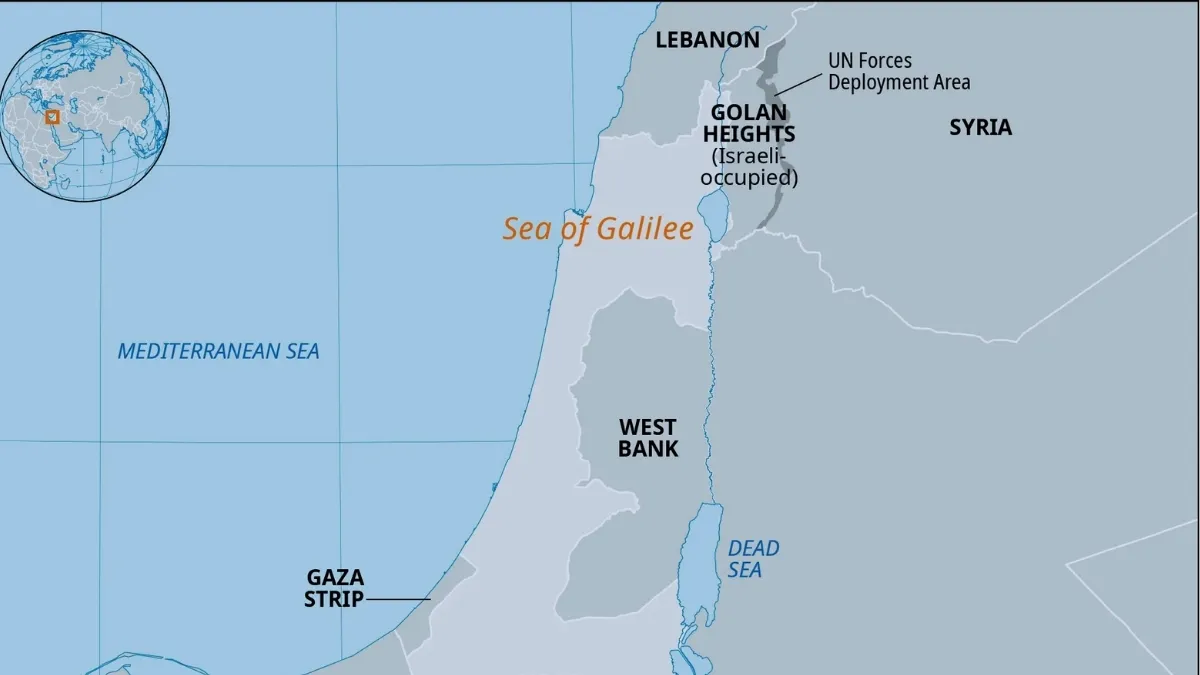
The Sea of Galilee is most commonly known as Lake Tiberias globally. It is nestled in the northeast of Israel. Lake Tiberias is a body of water that goes by many names such as the Sea of Galilee, Lake Gennesaret, and the Sea of Chinnereth. It is actually a vibrant freshwater heart of the region. Known for its sudden storms and biblical history, Lake Tiberias remains a focal point for geography buffs and spiritual travelers alike.
The Origins of the Name "Tiberias"
The name "Lake Tiberias" dates back to the Roman era. It was named after the city of Tiberias, which was founded on its western shore around 20 CE by Herod Antipas. Herod named the city in honor of the Roman Emperor Tiberius. Over time, the prominence of the city led to the entire lake being identified by the same name in official Roman and Greek records.
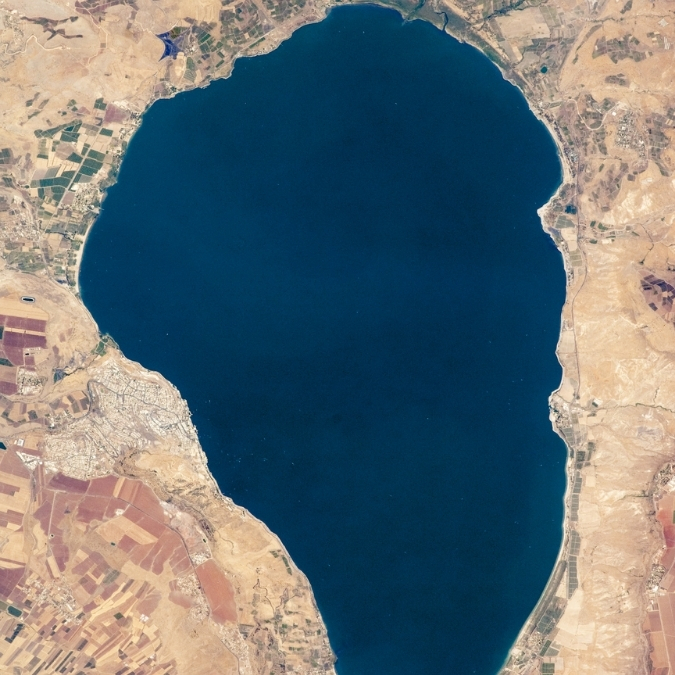
source: NASA
Geographical Features and Location of the Sea of Galilee
Sea of Galilee is located in the Jordan Rift Valley, the lake sits at approximately 212 meters below sea level.
-
Dimensions: It is roughly 21 km long and 13 km wide.
-
Water Source: Its primary source is the Jordan River, which flows in from the north and exits at the south.
-
Climate: The surrounding hills create a microclimate that can lead to rapid temperature changes and the lake’s famous "sudden storms."
Historical and Religious Significance
Lake Tiberias is perhaps most famous for its role in the New Testament. It serves as the backdrop for many of the miracles and teachings of Jesus, including the calling of the fishermen (Peter, Andrew, James, and John) and the calming of the storm beyond Christian history, the area has been a hub of human civilization for millennia, from Bronze Age settlements to Ottoman fortifications.
Significance of the Sea of Galilee or Lake Tiberias
Today, the lake is more than a historical landmark; it is a lifeblood for the region.
-
Water Supply: For decades, it was the primary reservoir for Israel’s National Water Carrier.
-
Fishing Industry: While regulated to prevent overfishing, the lake still supports a commercial fishing industry, famously known for "St. Peter’s Fish" (Tilapia).
-
Tourism: Thousands of visitors flock to its shores annually for recreation and spiritual reflection.
Lake Tiberias, also known as the Sea of Galilee, is a vital freshwater body in northeast Israel. Named after the Roman city of Tiberias, it holds immense historical and religious significance, particularly in the New Testament. Geographically, it's in the Jordan Rift Valley, fed by the Jordan River. Today, it's crucial for Israel's water supply, fishing, and tourism, despite its famous sudden storms and ancient past.



Comments
All Comments (0)
Join the conversation