-1775913062772.webp)
India is full of vibrant colours and has a rich history. Many well-known cities have colourful nicknames that show off their unique character. Jaipur is called the Pink City because of its beautiful terracotta buildings. Jodhpur is known as the Blue City, with houses painted in cool shades of blue. Udaipur is the White City, and Jaisalmer is the Golden City. But do you know which city is called the Purple City of India? In this article, we'll explore the history, culture, and reasons behind this interesting name.
Which City Is Known As The Purple City Of India?

Jhalawar sits in southeastern Rajasthan and is often called the Purple City of India. The name comes from its many buildings painted in shades of lavender and purple. Unlike much of Rajasthan, Jhalawar is green and lush, thanks to its location near the Mukundara Hills and the Kali Sindh River. The city was once the capital of the princely state of Jhalawar.
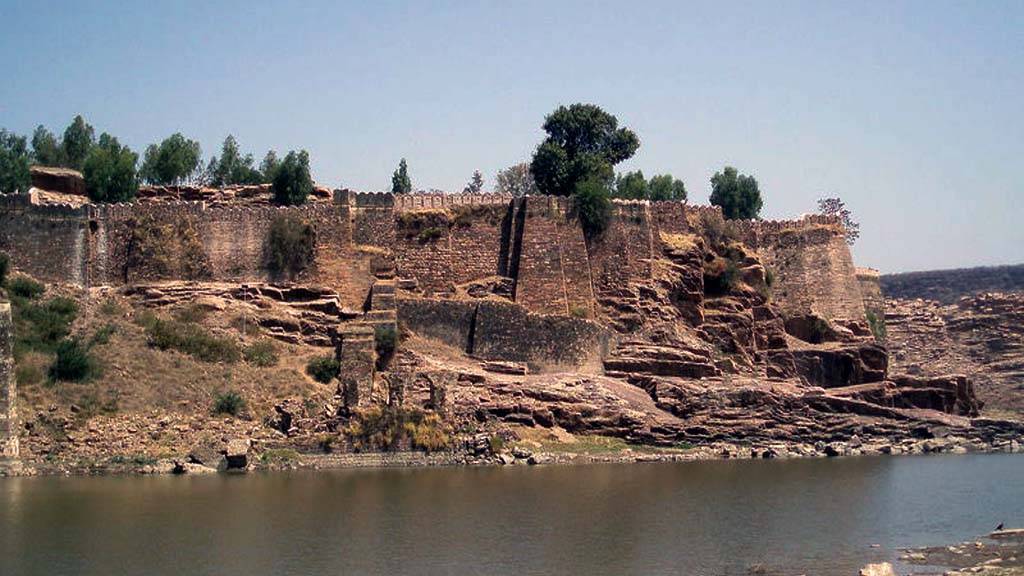
It stands out for its mix of Rajput and Mughal architecture, especially the impressive Jhalawar Fort and the UNESCO-listed Gagron Fort, making it a favourite for those interested in history and architecture.
7 Lesser-Known Facts About Jhalawar
- Built on basaltic rock from ancient lava flows, Jhalawar features fertile black soil that stands in stark contrast to Rajasthan's typical desert sand.
- The Gagron Fort is a "Jal Durg" (Water Fort) built directly on a mountain summit without a traditional foundation, surrounded by water on three sides.
- Its plateau location creates a humid microclimate, making it the wettest district in Rajasthan and sustaining lush, non-desert greenery.
- The temples in Jhalrapatan use specific geometric stone angles designed to amplify and resonate sound waves during traditional chants.
- Using advanced irrigation, the region has become a major hub for Citrus Reticulata, earning it the nickname "The Nagpur of Rajasthan".
- Local sedimentary layers contain millions-of-years-old plant fossils, proving the area was once a massive prehistoric rainforest.
- The nearby Mukundara Hills house a specific genetic population of big cats biologically adapted to rocky, hilly terrains rather than flat plains.
Why Is Jhalawar Called The Purple City Of India?
Jaipur is known for its pink and Jodhpur for its blue, but Jhalawar is famous as the Purple City of India. This name comes from a blend of thoughtful city planning, local customs, and a unique sense of style. This is why Jhalawar has its unique name:
1. The Signature Lavender Hue
- The main reason is that the city uses a uniform colour scheme for its buildings.
- Similar to Jaipur’s 'Pink City' initiative, both the local government and people in Jhalawar have made it a tradition to paint houses, shops, and government buildings in purple and lavender shades.
- As you walk through the old city markets, you will see rows of purple walls that make the town stand out in photos.
- The shades of purple here range from light lilac to deep violet, but people often call it the "Purple City", a name used by both travellers and historians.
2. A Royal Legacy
- The choice of colour is not only a modern decision but also has historical roots.
- When the Jhala clan founded the princely state in 1838, its rulers wanted their capital to stand out from the nearby kingdoms of Kota and Mewar.
- Historical records show that the royal family preferred purple because it symbolised nobility and luxury, qualities often associated with the colour in many cultures.
3. Cultural and Social Uniformity
- In Jhalawar, purple symbolises both community and pride.
- Over the years, local municipal bodies have encouraged residents to keep using this colour scheme to help attract more tourists.
- People in Jhalawar are proud of this unique feature, so even new buildings often include purple accents to fit the 'Purple City' theme.
4. Contrast with the Landscape
- Jhalawar sits at the edge of the Malwa Plateau, a region famous for its green landscapes and rich black soil.
- The purple buildings stand out against the deep green forests and the blue waters of the Kali Sindh River, creating a striking visual contrast.
- Like the blue houses in Jodhpur, lighter shades of purple and lavender are thought to reflect sunlight well, which helps keep interiors a bit cooler during the hot Rajasthani summers.
5. Tourism and Global Branding
- As Rajasthan grew into a global tourism hub, the state government searched for ways to showcase the lesser-known areas of the Hadoti region.
- By calling Jhalawar the Purple City, marketers included it in India’s 'Colourful Circuit'. This made it easier for tourists to recognise and remember Jhalawar along with the Pink (Jaipur), Blue (Jodhpur), White (Udaipur), and Golden (Jaisalmer) cities.
Conclusion
Jhalawar is known as the Purple City because local tradition and city officials decided to paint its buildings in lavender shades. This gives the city a distinct look that shows off its royal past and its reputation as a green, water-rich spot in Rajasthan.
Disclaimer: Jhalawar is often called the purple city of India, but Bikaner also shares this title. Travelers sometimes have friendly debates about which city deserves it more. In Bikaner, the “purple” comes from the red-purple sandstone used in its historic buildings, especially near the impressive Junagarh Fort. When the sunlight hits, these stones can look deep violet or plum. Jhalawar gets its lavender color from paint, while Bikaner’s shade is all natural. Both cities give you a beautiful “purple” experience, each in its own unique way.



Comments
All Comments (0)
Join the conversation