Show Key Points
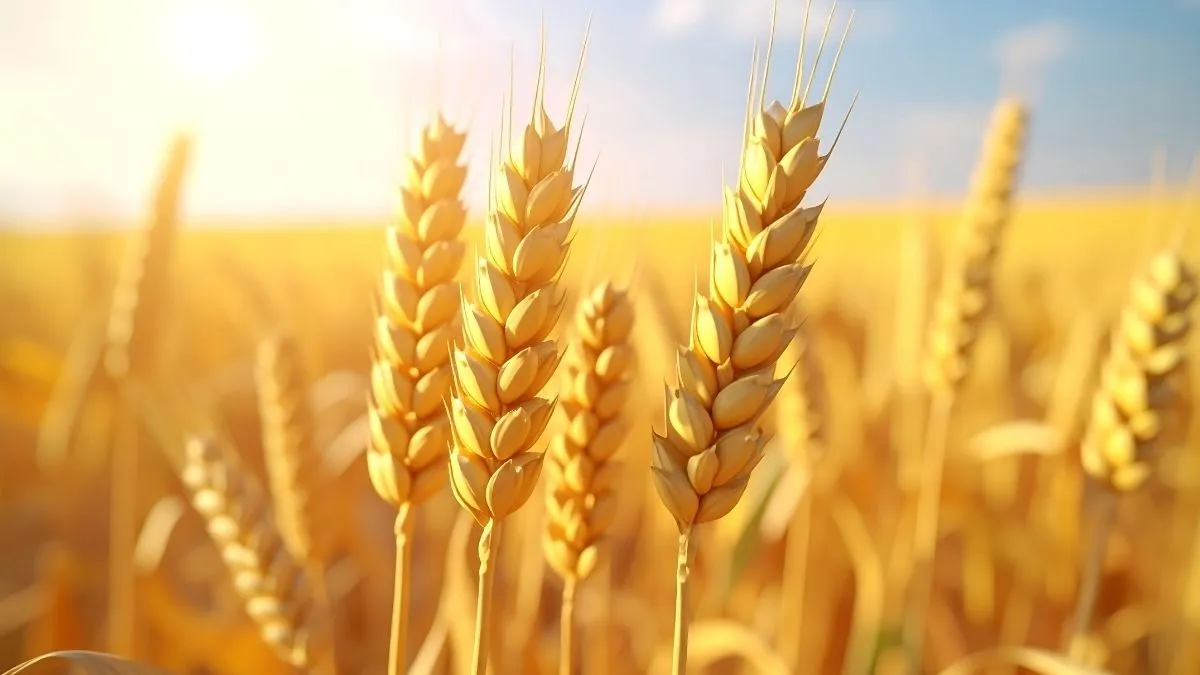
Picture one type of grass that covers more of the Earth's surface than any other type of food crop. Wheat is the invisible thread that connects all the different kinds of food around the world. From India's fluffy naan to France's crusty baguettes, wheat is everywhere.
But there is a complicated biological wonder beyond the flour and dough. Botanists call it the "hexaploid" powerhouse. The scientific name of wheat refers to a lineage that has been improved over 10,000 years of human civilization.
In 2026, when global food security is at the top of the list, knowing the scientific name of wheat and where it comes from genetically will be more than just something you learn in biology class. It will be a key to understanding our past and how we will survive in the future.
What is the Scientific Name of Wheat?
The scientific name of wheat is Triticum aestivum. This name specifically identifies common wheat, or bread wheat, which accounts for approximately 95% of the wheat grown worldwide.
According to the USDA Plants Database, wheat's scientific name follows the binomial nomenclature system, where Triticum is the genus and aestivum is the species.
| Common Name | Scientific Name | Type |
| Bread Wheat | Triticum aestivum | Hexaploid |
| Durum Wheat | Triticum durum | Tetraploid (Pasta wheat) |
| Einkorn | Triticum monococcum | Diploid (Ancient grain) |
Who is the Family of Wheat?
Wheat belongs to the Poaceae family, which is commonly known as the Grass family. This family is arguably the most important botanical group for the human economy, as it also includes rice, maize (corn), and sugarcane.
Within this family, wheat is classified under the subfamily Pooideae and the tribe Triticeae. Members of the family name of wheat are characterized by their hollow stems (culms) and specialized fruit called a caryopsis (the wheat kernel).
Sources like the CABI Compendium note that this family’s adaptive nature allows wheat to grow in diverse climates ranging from the Arctic Circle to the Equator.
Do You Know - What is the Scientific Name of Sunflower?
Origin History of Wheat
The story of wheat's origin began roughly 10,000 years ago in the Fertile Crescent, a region in the Middle East spanning modern-day Iraq, Syria, Türkiye, and Jordan. It evolved from the natural hybridization of wild grasses.
-
Domestication: Early humans first gathered wild Einkorn and Emmer.
-
The Bread Evolution: Triticum aestivum emerged later when cultivated emmer wheat cross-bred with a wild goatgrass (Aegilops tauschii).
-
Global Spread: By 3000 BC, wheat reached China, and in 1529, Spanish explorers introduced it to the Americas. Today, it is a cash crop staple in almost every nation.
Check Out - What is the Scientific Name of a Pine Tree?
Which Country is the Largest Producer of Wheat?
China is still the world's largest wheat-producing country, with an average yield of over 140 million metric tons every year. India is in second place, thanks to the high-productivity areas of Punjab and Uttar Pradesh.
Top Wheat Producers (2025/26 Estimates):
-
China: 140.07 Million Metric Tons
-
India: 117.95 Million Metric Tons
-
Russia: 89.5 Million Metric Tons
-
United States: 54.01 Million Metric Tons
(Source: USDA Foreign Agricultural Service)
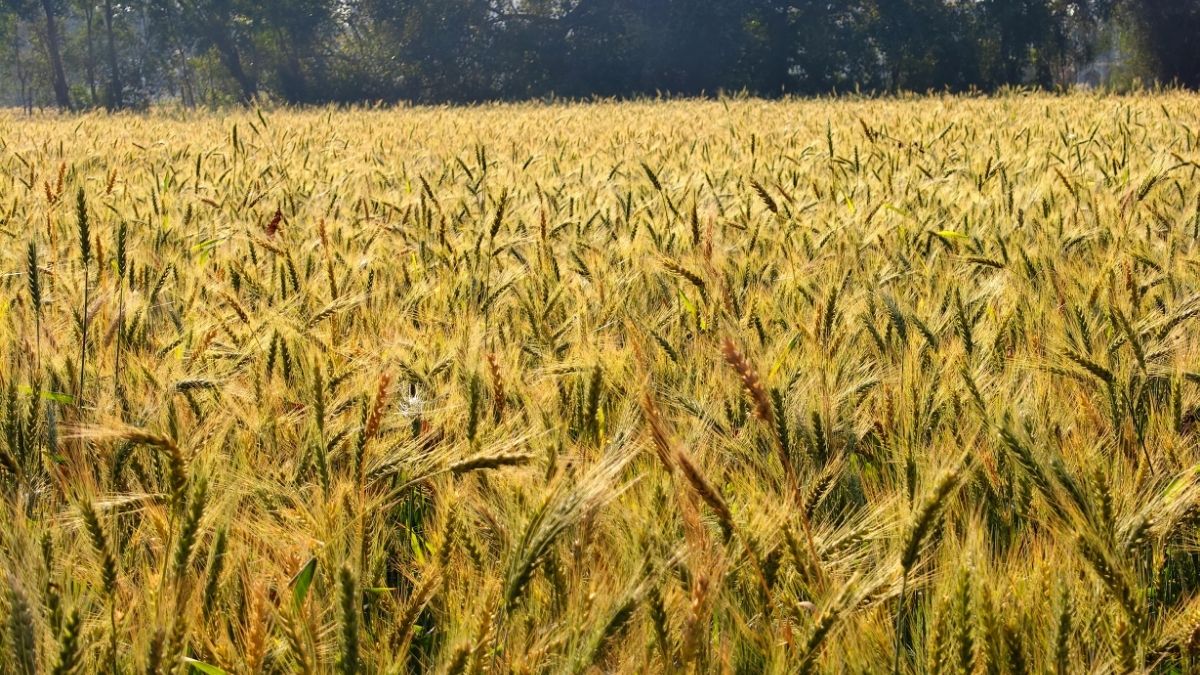
Golden Wheat Field in Jabalpur, India
The scientific name for wheat is Triticum aestivum. It is the most important food for humans. This golden grain is still the most important cereal in the world, from its humble beginnings in the Fertile Crescent to the huge industrial harvests in China and India.



Comments
All Comments (0)
Join the conversation