What is Raat Ki Rani Flower Called in English?
Do you know that raat ki rani flower isn't a true jasmine at all but actually belongs to the potato family? It stays closed all day, releasing its legendary scent only after sunset. Let’s discover its surprising English name and origin.

If you've ever walked past a garden at night and caught a whiff of something so sweet it almost stops you in your tracks, chances are you've met Raat Ki Rani. This isn't just any shrub. It started out in the tropical Americas, but now it's basically a celebrity across South Asia. The real magic? Those tiny, greenish-white flowers that wait until after dark to put on their show. Once the sun goes down, the air fills with a scent so strong and sweet it's like nature's own perfume. The name says it all. In Hindi and Urdu, Raat Ki Rani means Queen of the Night, and honestly, she earns the title every evening. But what do you call her in English? Let's dig in and find out.
Raat ki Rani in English
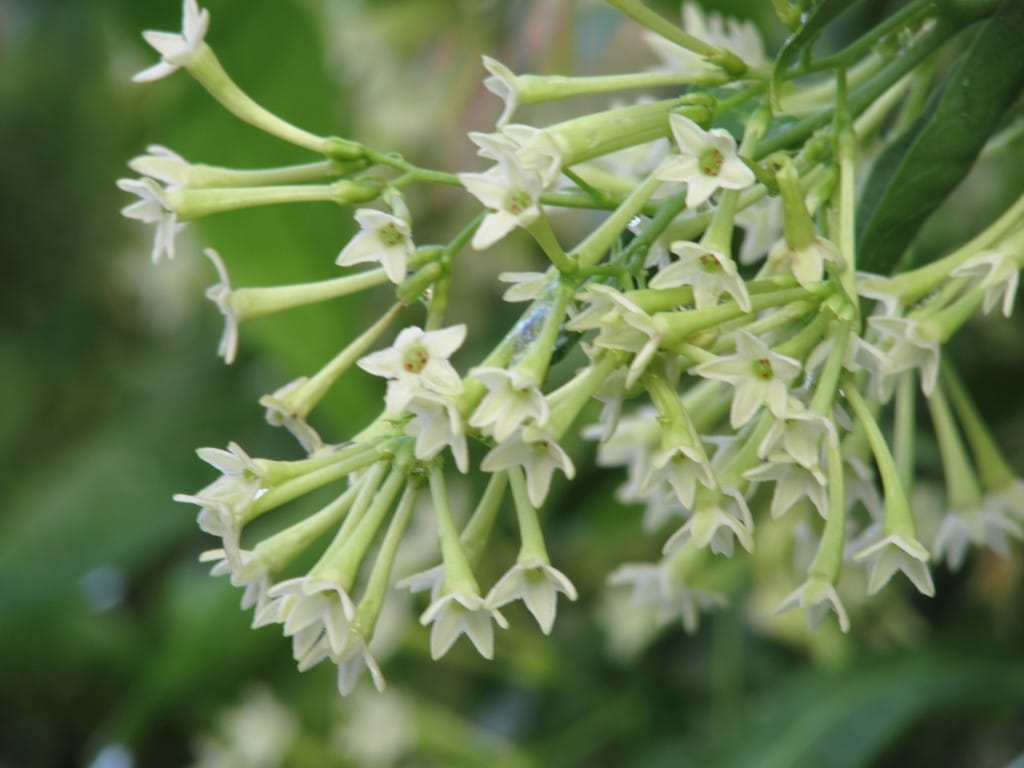
This well-known plant is called Night-Blooming Jasmine in English, and it is also known as "Lady of the Night".
Its scientific name is Cestrum nocturnum. Even though its name suggests it is a jasmine, it actually belongs to the potato and nightshade family.
The plant comes from the tropical areas of Mexico, Central America, and the Caribbean. Now, it grows in warm, subtropical places around the world. India is one of the biggest producers and users of its sweet-smelling flowers, which are widely used in essential oils, perfumes, and home gardens.
The plant is known for its strong, sweet scent, which becomes especially noticeable after 8:00 PM when the flowers open. It is not at risk of extinction and is listed as "Least Concern".
In some warm places, such as Florida and Australia, it grows so quickly that people consider it an invasive weed. The plant produces small white berries, about 10 millimetres long, which attract birds that help spread its seeds. If not trimmed, it can grow as tall as 12 feet.
5 Lesser-known Facts About Raat ki Rani
Here are 5 amazing facts you probably did not know about this famous night-blooming plant.
- Despite being called night-blooming jasmine in English, it actually belongs to the potato and tomato family (Solanaceae).
- Every single part of this plant, especially the shiny white berries, is quite poisonous to humans and pets if eaten.
- The tiny greenish-white blossoms look almost fluorescent under a bright moon, which helps nocturnal moths find them easily for pollination.
- The flowers stay completely shut and odourless all day long, opening up to release their heavy perfume only after the sun goes down.
- In traditional spaces, people often plant it near windows because the heavy scent is believed to naturally mask bad odours and freshen up indoor rooms.
What is the English name for Raat Rani flower?

Raat Rani goes by a few names in English: Night-Blooming Jasmine, Lady of the Night, and even Night-Blooming Jessamine if you want to get fancy. But whatever you call it, the magic happens after dark. Once the sun dips, those tiny flowers wake up and flood the air with a sweet, heady scent that's impossible to miss.
Are Raat Rani and Jasmine the same?
Nope, they're not even close. Real jasmine is part of the olive family, while Raat Rani is hanging out with the nightshades, the same crew as potatoes and tomatoes. The only reason people call Raat Rani 'jasmine' is because its scent is so famously sweet it tricks your nose into thinking it's the real deal.

Kriti Barua is a skilled content writer with 4+ years of experience in creating clear, engaging, and informative content. She began her writing journey as a Creative Writer Intern at Wordloom Ventures. She holds a BA degree from Delhi University and has completed a one-year diploma in TV Production and Journalism, which adds depth to her research and reporting style.
Kriti has worked across brand writing, marketing content, and digital media, building strong expertise in articles that connect with readers and perform well online. At Jagran New Media, she writes for the GK section, covering national news, international stories, and query-based articles that answer what people actively search for. Her work focuses on easy language, reliable information, strong keywords, and reader-friendly storytelling, making her content both helpful and search-friendly.


-1780141584791_t.webp)
