Key Points
- Artemis II, targeting late 2025, is the first crewed lunar mission since 1972.
- The mission tests life support systems with a diverse crew of four astronauts.
- Data from Artemis II will enable future lunar landings, including Artemis III.
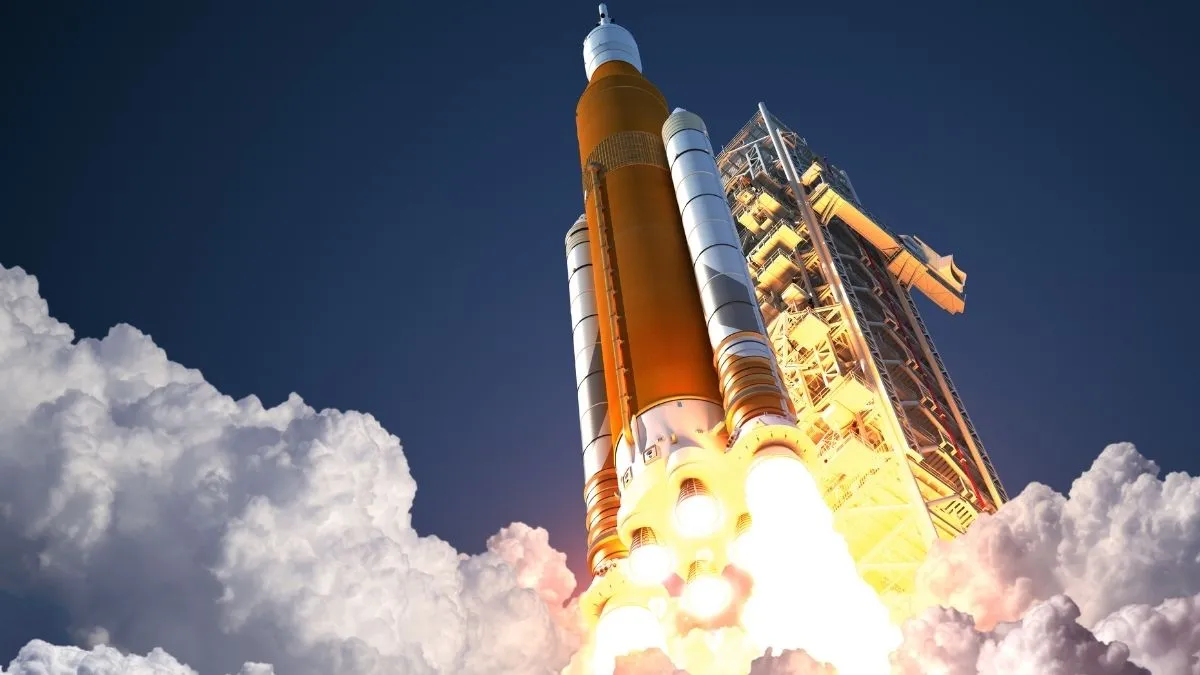
The global space community is buzzing as NASA enters the final integration phases for the Artemis II Moon Mission. Representing the first time humans will venture toward the lunar vicinity since 1972, this mission is a pivotal stress test for the Space Launch System (SLS) and the Orion spacecraft.
Unlike its predecessor, Artemis I, this flight carries a diverse crew of four, tasked with confirming that all life-support systems function perfectly in the harsh vacuum of deep space. With a target launch window currently set for no earlier than late 2025, NASA is meticulously refining heat shield safety and battery reliability to ensure a safety-first return to our celestial neighbor.
Who are the Artemis 2 Crew Members for the Moon Mission?
The selection of the Artemis 2 crew underscores international cooperation and expertise. These four pioneers will live and work inside the Orion capsule for approximately ten days.
-
Commander Reid Wiseman (NASA): An experienced naval aviator leading the flight.
-
Pilot Victor Glover (NASA): Set to become the first Black astronaut to fly a lunar mission.
-
Mission Specialist Christina Hammock Koch (NASA): The record-holding astronaut making history as the first woman on a lunar flight.
-
Mission Specialist Jeremy Hansen (CSA): Representing Canada, he is the first non-American to fly to the Moon.
We are just weeks away from Artemis II, where we will send astronauts around the Moon—farther than any crew has traveled before.
— NASA (@NASA) January 16, 2026
The mission’s press kit is now available! Check it out: https://t.co/R3JaaG8lQU pic.twitter.com/uTdWqYzvJy
What are the Primary Objectives of the Artemis II Flight Path?
The mission follows a Hybrid Free Return Trajectory. This means the spacecraft will use the Moon's gravity to slingshot back to Earth without a major engine burn.
| Mission Phase | Key Activity | Goal |
| Launch | SLS Rocket Ignition | Reach High Earth Orbit (HEO) |
| System Check | Proximity Operations | Test Orion’s manual handling and docking capabilities |
| Trans-Lunar Injection | Outbound Trek | Travel 4,600 miles behind the lunar far side |
| Splashdown | Pacific Ocean Recovery | Test heat shield endurance at 25,000 mph |
Read more about - NASA Artemis II Mission: Check Mission Overview, and Crew Members Here!
Why is the Artemis II Moon Mission Critical for Mars Exploration?
NASA Administrator Bill Nelson recently stated, "We are not just going back to the Moon; we are going to learn how to live and work there so we can eventually go to Mars." By proving that the Orion spacecraft can sustain life for an extended duration away from Earth's magnetic protection, NASA builds the Lunar Gateway, a foundation for long-term deep-space habitation.
The Artemis II Moon Mission is more than a flight; it is a testament to human ingenuity. As NASA finalizes the rigorous safety checks for the SLS and Orion, the world watches the skies. This mission will provide the data necessary to land the first woman and person of color on the lunar surface during Artemis III.





Comments
All Comments (0)
Join the conversation