Key Points
- The Vaquita is critically endangered, with fewer than 10 remaining in the wild.
- Vicuna populations have recovered from near extinction to over 350,000.
- Vervet monkeys are used in medical research due to human-like hypertension traits.
Even though the letter V is at the end of the alphabet, it is the first letter of some of the most colorful and important animal species. Animals that start with the letter V have been in the news lately for both sad losses and conservation successes.
The Vaquita, a small porpoise, has been in the news around the world as the world's most endangered marine mammal, with fewer than 10 left in the wild. On the other hand, the Vicuna is a huge success story. Its population has grown from almost extinction to more than 350,000.
Hereon, we go beyond simple definitions to look at the interesting lives of these animal names beginning with V, which connects curiosity and zoological science.
List of Animals Name Beginning with V
| S.No. | Animals that Start with V | Classification | Notable Fact |
| 1 | Vaquita | Marine Mammal | The world's most endangered marine mammal. |
| 2 | Vervet Monkey | Mammal | Uses human-like hypertension traits. |
| 3 | Vicuna | Mammal | Produces the finest wool in the world. |
| 4 | Vulture | Bird | Nature's primary clean-up crew. |
| 5 | Vampire Bat | Mammal | Only mammal to feed entirely on blood. |
| 6 | Viper | Reptile | Found on every continent except Antarctica. |
| 7 | Vizsla | Mammal | Known as the "Velcro" dog for loyalty. |
| 8 | Vole | Mammal | Vital to ecosystems as prey for owls/hawks. |
| 9 | Viperfish | Fish | Deep-sea predator with needle-like teeth. |
Check Out - List of Top 7 Famous Animals that Hibernate in Winter for Survival
1. Vaquita
Credit - wildlifenomads.com
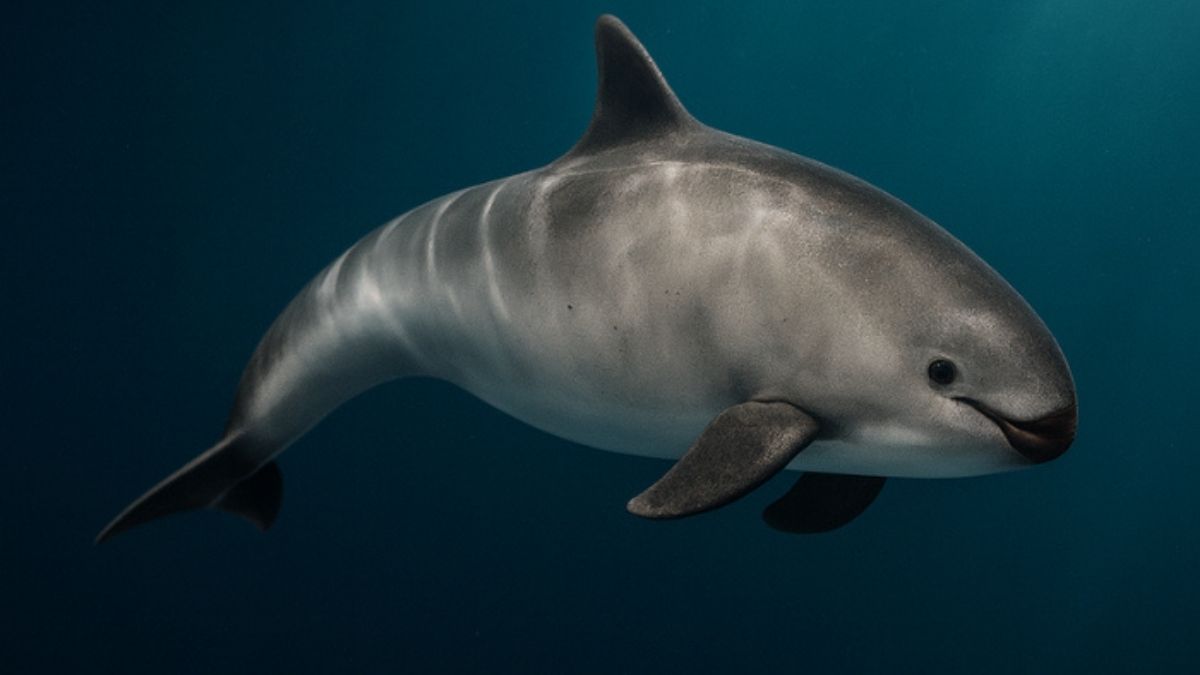
The Vaquita is currently the rarest marine mammal on Earth. Native only to the northern Gulf of California in Mexico, this "little cow" (as its name translates from Spanish) is on the brink of extinction due to illegal gillnet fishing.
Unlike other dolphins, they are shy and elusive, identified by dark rings around their eyes and lips. Conservationists are currently in a race against time to save the final few individuals from disappearing forever.
2. Vervet Monkey
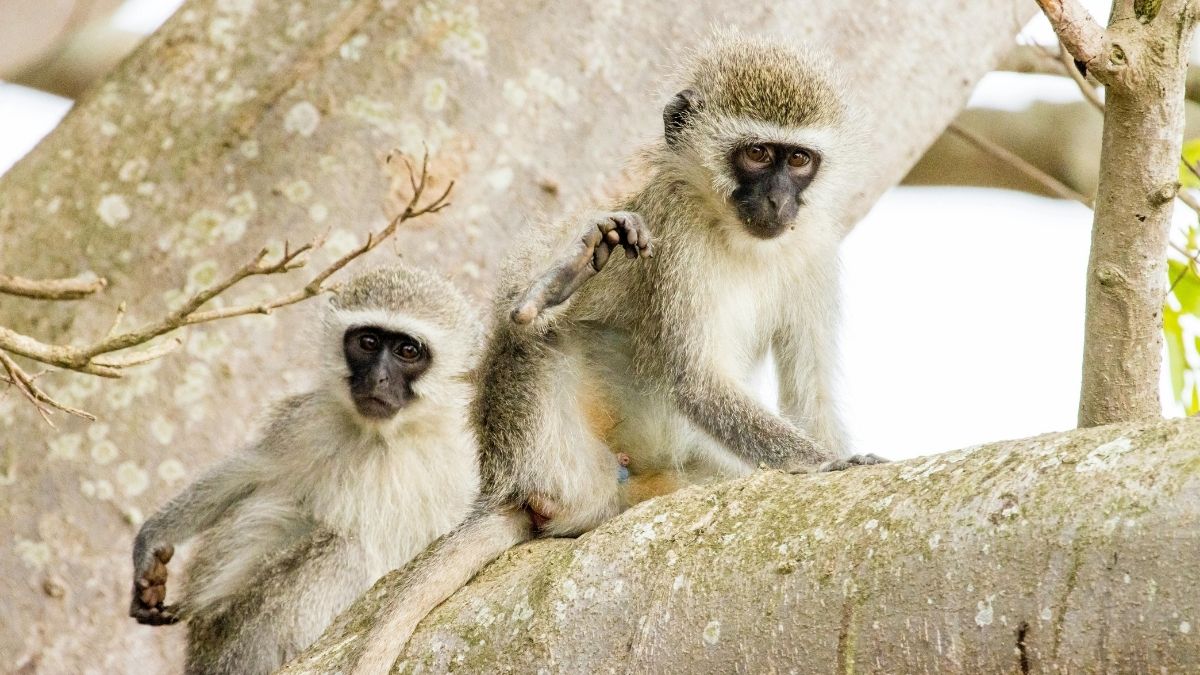
The Vervet Monkey is well-known for its black face and gray body, but it has also made important contributions to science. These monkeys have a lot of the same genes as humans, especially when it comes to anxiety and high blood pressure.
This is why they are so important for medical research. In the wild, they have complicated social lives and use certain alarm calls to warn their group about different predators, like snakes, eagles, or leopards.
3. Vicuna
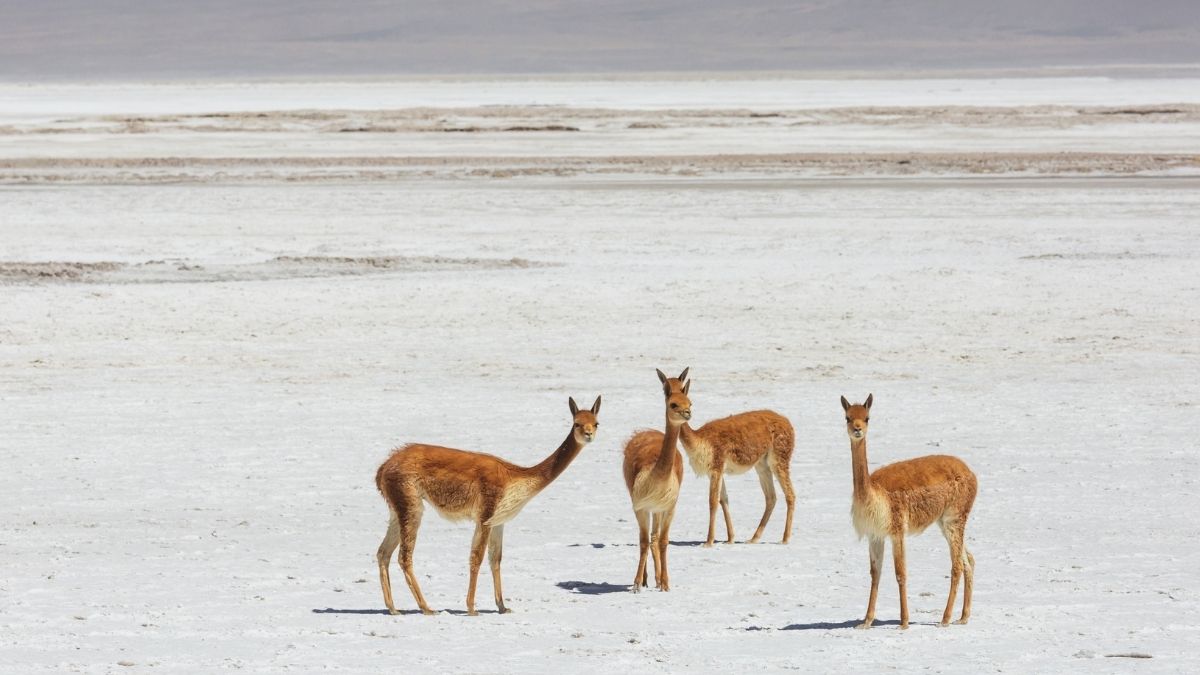
Roaming the high alpine areas of the Andes, the Vicuna is the wild ancestor of the domesticated alpaca. They were once worshipped by the Incas, who believed the Vicuna's coat was cloth of gold.
Today, their ultra-fine wool is still considered one of the most expensive natural fibers in the luxury fashion market. Thanks to strict protection laws, their population has recovered remarkably from the brink of extinction in the 1970s.
4. Vulture
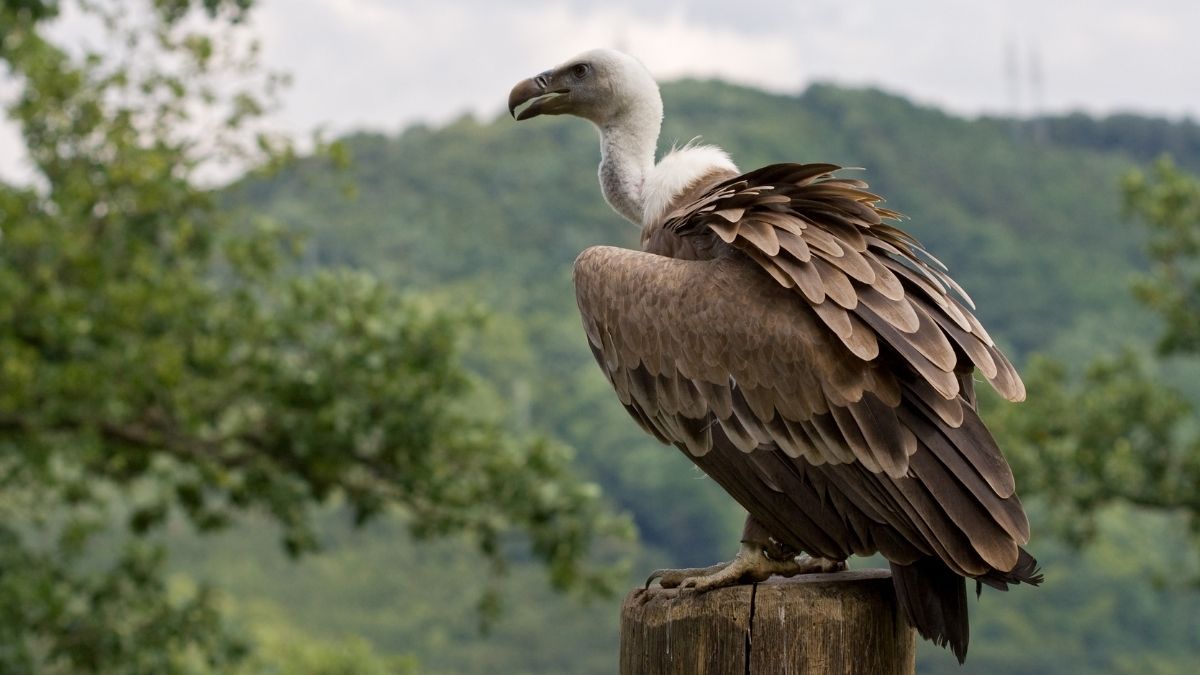
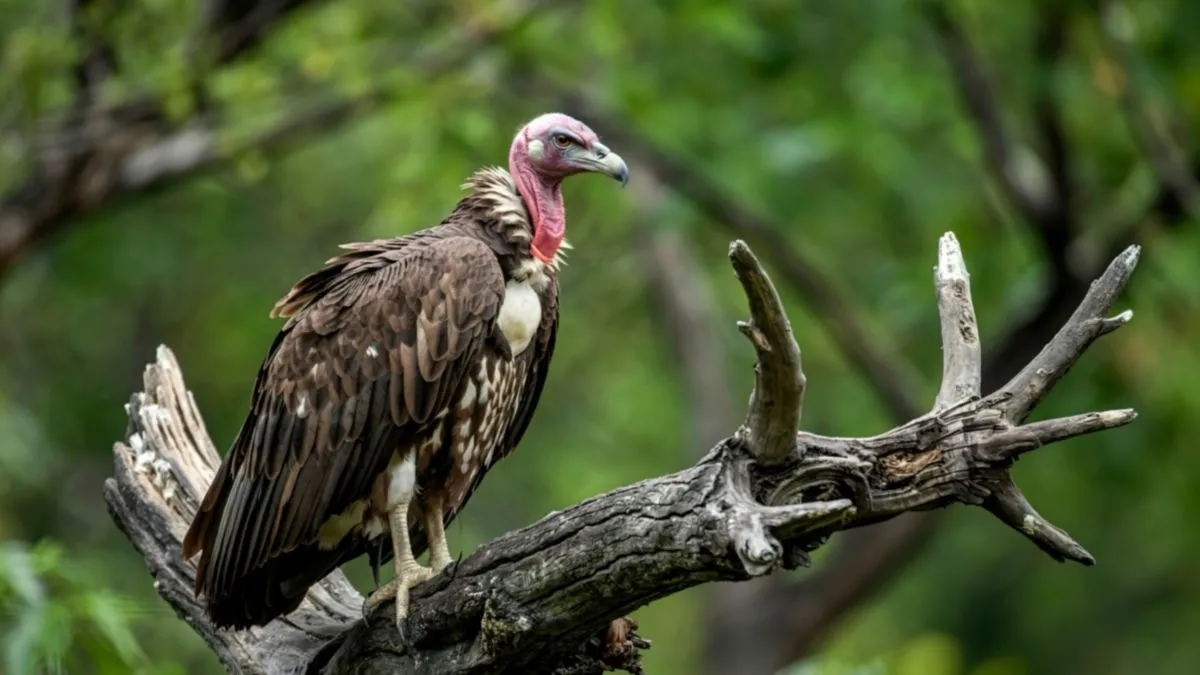
People often get vultures wrong, but they are the unsung heroes of the ecosystem. In fact, a large group of vultures eat dead animals to stop diseases like rabies and anthrax from spreading.
The King Vulture is easy to spot because its head is a bright color, like red or purple. They use thermal air currents a lot to glide for hours without flapping their wings. This saves energy while they look for food on the ground.
5. Vampire Bat
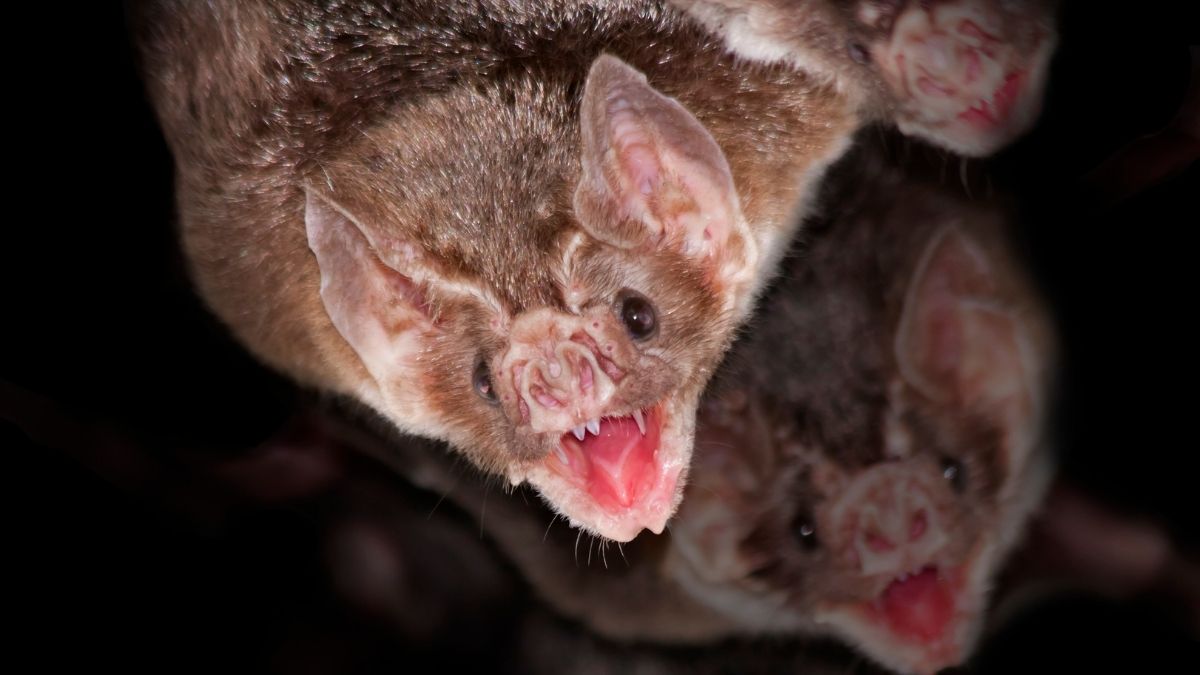
Biology meets folklore with the Vampire Bat. Native to the Americas, this is the only mammal that survives exclusively on blood (hematophagy). Far from being a monster, these bats are highly social and will even share food with hungry roost-mates to prevent them from starving.
Their saliva contains a unique anticoagulant, draculin, which has been studied medically to help treat stroke patients by preventing blood clots.
6. Viper

Vipers are a type of poisonous snake that have two long, hollow fangs that fold back against the roof of their mouths when they aren't being used. They hunt by hiding and waiting for their prey to come by.
Some animals, like the Pit Viper, have heat-sensing pits between their eyes and nostrils that let them see the body heat of their prey even when it's completely dark.
7. Vizsla
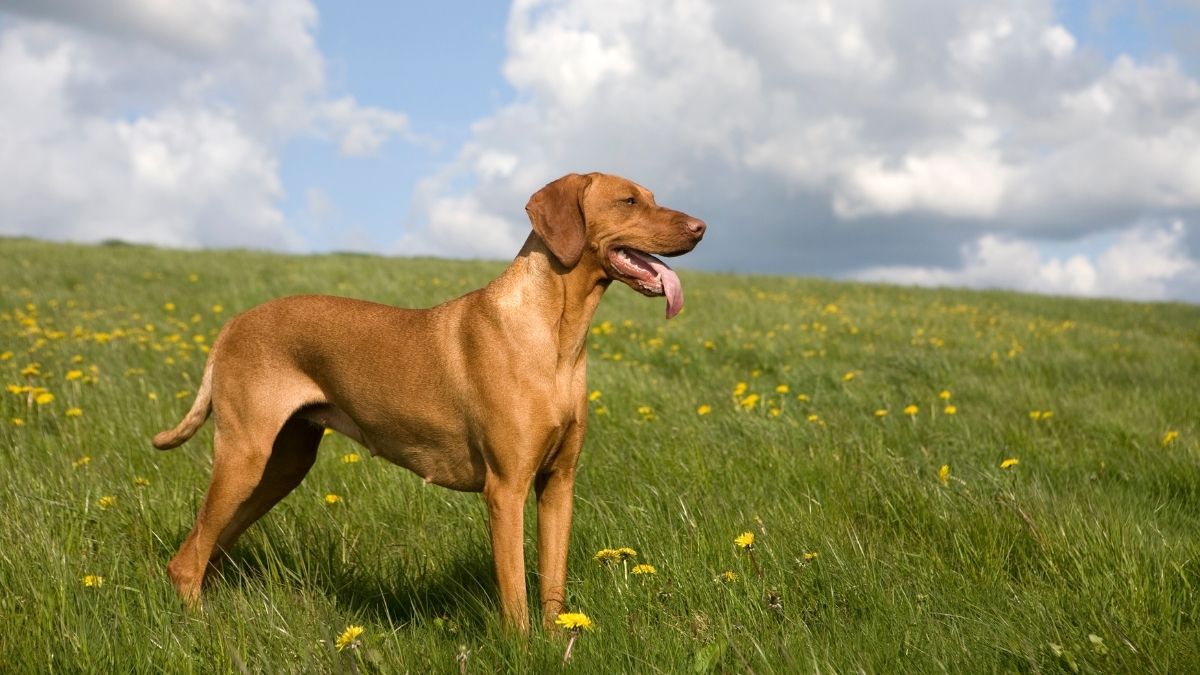
Originating from Hungary, the Vizsla is a sporting dog with a rich history as a hunter's companion. People call them Velcro dogs because they really want to be close to their owners.
Vizslas don't have an undercoat like many other hunting breeds, so they can only live indoors. They need a lot of exercise and love from people to stay warm.
8. Vole

Voles look like regular field mice, but they are thicker and have shorter tails. People often think of them as pests in gardens, but they are an important part of many ecosystems. Owls, hawks, and foxes eat them a lot.
The Prairie Vole is well-known in the scientific community for being one of the few mammals that form lifelong monogamous pair bonds.
9. Viperfish

The Viperfish lives in the ocean's twilight zone and looks like it came from a sci-fi movie. Its fangs are so long that they don't fit in its mouth; instead, they curve back toward its eyes.
To attract prey in the pitch-black depths, it uses a bioluminescent lure, a natural light at the end of its dorsal spine, to draw unsuspecting fish within striking distance.
Check Out: List of 5 Most Famous Animals that Migrate in Winter: Revealed
Check Out Animal Names Beginning with Other Letters
Animals that start with the letter V show how adaptable nature can be. For example, the Viperfish lives in deep water, and the Vicuna can live at high altitudes. Each species, whether critically endangered like the Vaquita or thriving like the Vulture, is important for keeping the balance of our planet's biodiversity.



Comments
All Comments (0)
Join the conversation