What are the 5 Most Populous Metropolitan Cities in the World in 2026?
Populous metropolitan cities are shifting boundaries as the latest demographic indices reveal astonishing new population explosions across global hubs. Rapid rural-to-urban migration and industrial sprawl have completely reordered the list of the most populated cities in the world in 2026. Discover how infrastructure demands are reshaping these massive human anthills this year.
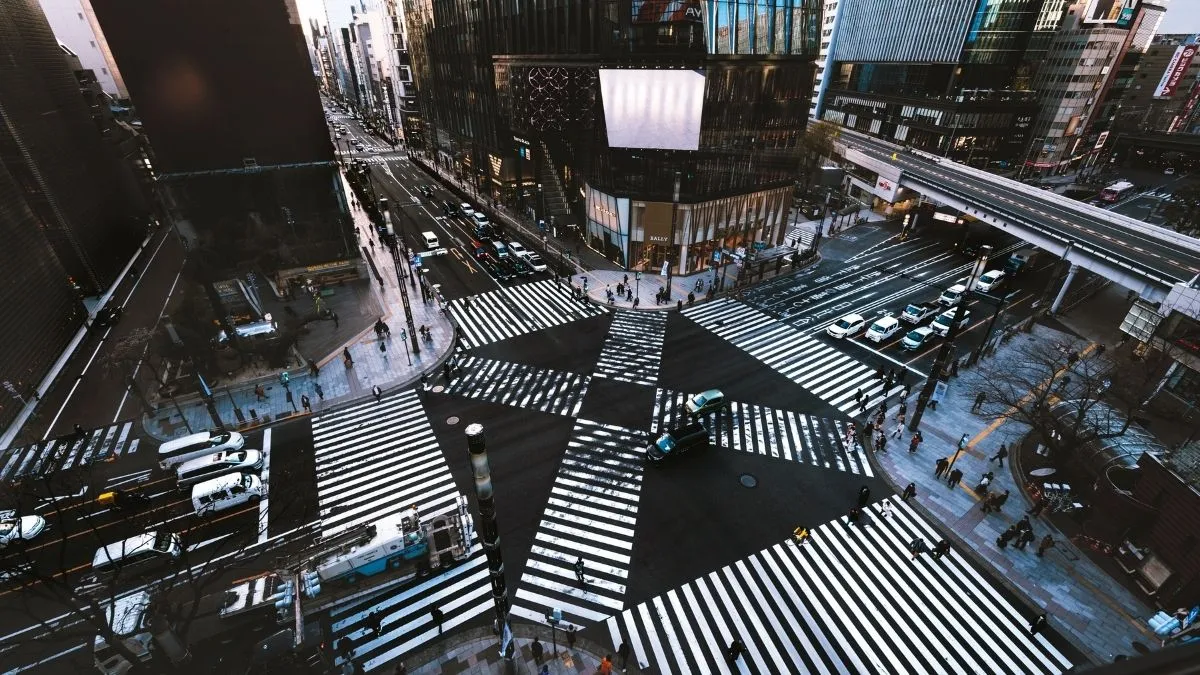
Walking through the world’s largest cities brings you face to face with endless seas of humanity, moving to a chaotic, electric rhythm. As we enter 2026, the race to claim the title of the most populous metropolitan city in the world has intensified. Suburban boundaries are fading faster than cartographers can redraw maps.
These aren't just crowded urban centers; they are massive economic engines swallowing up entire regions. If you have ever wondered about the sheer scale of human civilization, tracking the most populous city in the world gives a shocking look at how we live today. Let’s dive straight into the data behind these sprawling big cities in the world.
What is a Metropolitan City?
Before counting heads, we must ask: What is a metropolitan city exactly? It is basically a huge urban economic core with its surrounding commuter belts, suburbs, and closely connected satellite towns. This is not just about political boundaries drawn on old maps; it is about integrated economies and shared infrastructure.
According to geographic standards, populous metropolitan cities combine a central city with adjacent territories that maintain a high degree of social and economic integration. People live in the outer rings and travel inward daily for work and commerce, creating a single, giant functional unit that far outgrows the technical population of the city center alone.
List of 5 Most Populous Metropolitan Cities in the World in 2026
When evaluating the most populated city in the world rankings based on continuous urban agglomeration and updated data from Encyclopaedia Britannica and Thomas Brinkhoff: Major Agglomerations of the World, when you measure the full metropolitan and urban agglomeration footprint estimates for 2026, the numbers are truly mind-boggling. Here is how the top five stack up this year:
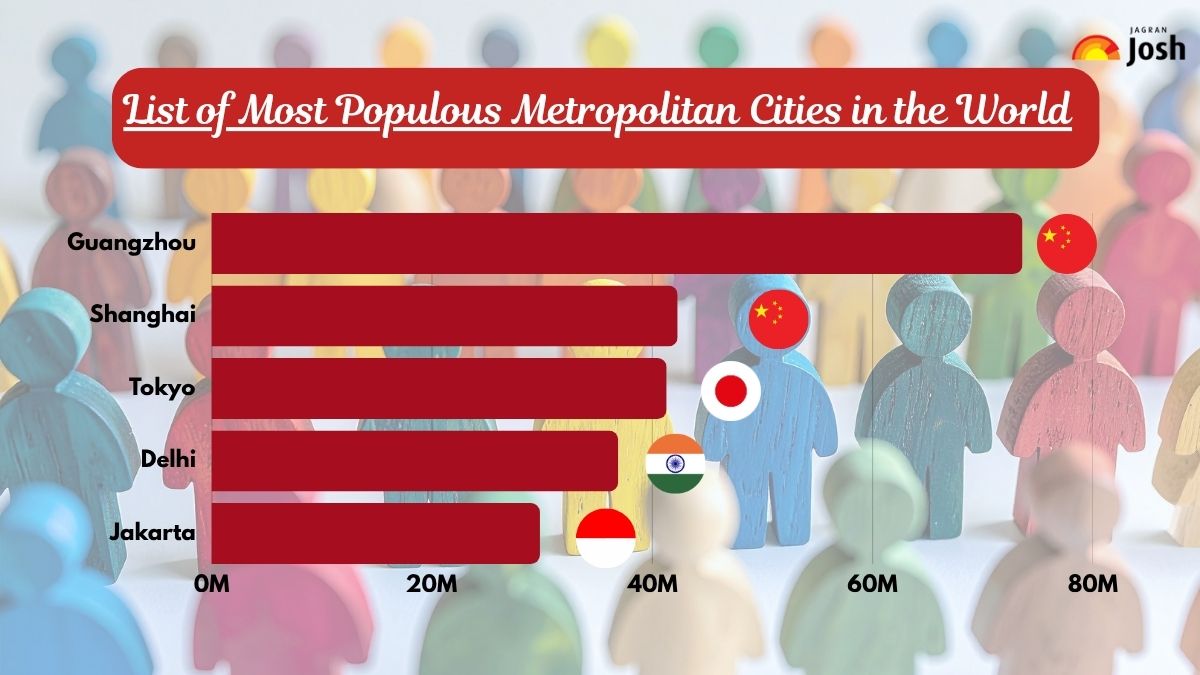
| Rank | Metropolitan City | Country | Estimated 2026 Population | Key Suburban Belts Included |
| 1 | Guangzhou | China | 73,600,000 | Dongguan, Foshan, Shenzhen, Huizhou |
| 2 | Shanghai | China | 42,300,000 | Suzhou, Wuxi, Changzhou, Changshu |
| 3 | Tokyo | Japan | 41,300,000 | Yokohama, Kawasaki, Saitama, Chiba |
| 4 | Delhi | India | 36,900,000 | Gurugram, Noida, Ghaziabad, Faridabad |
| 5 | Jakarta | Indonesia | 29,800,000 | Bogor, Depok, Tangerang, Bekasi |
Check Out - Which State has the Most Tornadoes?
1. Guangzhou, China
Guangzhou securely claims the title of the absolute king of populous metropolitan cities. Rather than operating as an isolated city, it anchors the legendary Pearl River Delta. Its staggering 73.6 million population figure includes integrated transport links to technological and manufacturing powerhouses like Shenzhen and Foshan, forming a contiguous urban zone unlike anything else on Earth.
2. Shanghai, China
Located right on the Yangtze River Delta, Shanghai is a giant financial magnet. Neighbouring cities such as Suzhou and Wuxi are sucked into the greater metropolitan area. The functional economic population of this makes it an incredible 42.3 million residents as of early 2026 data.
3. Tokyo, Japan
Tokyo is a masterclass in city efficiency. While individual city centers may be experiencing slight demographic plateaus, the Greater Tokyo Area, including Yokohama and Chiba, is still very strong at 41.3 million people, making it one of the world’s most resilient big cities.
4. Delhi, India
India's capital territory showcases blistering growth. The National Capital Region (NCR) expands outward daily, gobbling up satellite cities like Gurugram and Noida to hit a massive 36.9 million people. It continues to chase the very top spots on the global ladder.
5. Jakarta, Indonesia
Commonly known to locals by the acronym Jabodetabek, Jakarta's metropolitan footprint swallows up surrounding areas like Bekasi and Tangerang. Even with environmental adjustments underway, its sheer human mass reaches a whopping 29.8 million inhabitants.
Check Out - Which is the Strongest Metal on Earth?
The unstoppable rise of these five giant hubs proves that the future of humanity is deeply rooted in urban spaces. These metropolitan titans serve as live laboratories for technological innovation, cultural blending, and modern infrastructure adaptation. Watching them grow reminds us just how interconnected and crowded our global village has truly become.

Harshita Singh specializes in US affairs and general knowledge, simplifying intricate geopolitical and historical subjects into clear, digestible insights for learners. Holding a BA (Hons) in English from the University of Delhi and with over three years of experience in educational writing, she produces authoritative, thoroughly researched content that empowers readers to engage confidently with global current affairs. For inquiries, you can reach out to her at harshita.singh@jagrannewmedia.com.


