Which Country Has the Best and Most Powerful Air Defence System in the World?
Strongest Air Defence System in the World: Russia possesses the world’s most powerful defence system with its S-500 Prometheus, renowned for its advanced radar, multi-layered missile capabilities, and ability to hit targets in space. The S-500’s unmatched range and versatility make it the leading choice for countries seeking top-tier air defence protection.
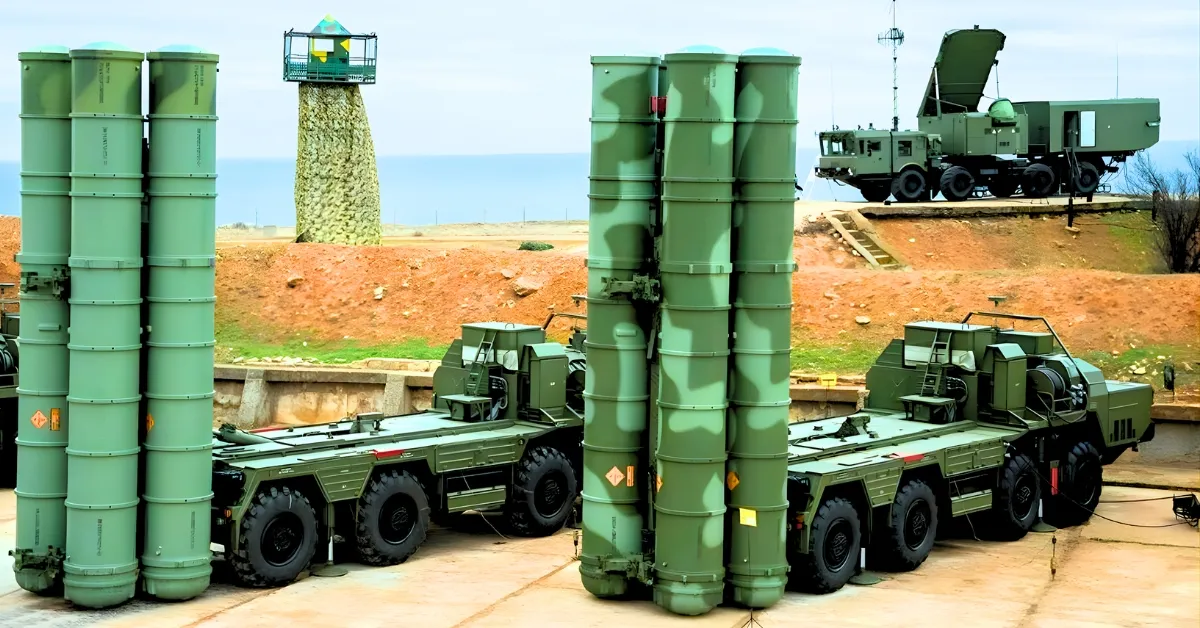
In the 21st century, the more powerful the country, the more enemies it seems to attract, leading it to protect its territory from potential land, naval, and especially aerial threats.
Right now, geopolitical tensions are increasing in Europe, the Middle East, and the Indo-Pacific. This has led to a big rise in military spending. The global air defence market is set to exceed $37 billion this year as countries work to secure their borders.
As hypersonic missiles and advanced drones become more common, having a reliable defence system is now essential for survival.
So, which air defence system will be the best and most powerful in 2026? In this article, we'll take a look at the countries with the best air defence systems in the world.
ALSO READ: How Air Defence Systems Work and What does Neutralized Mean?
Which Country Has the Most Powerful Defence System in the World?
Russia is widely recognised for having one of the most advanced air defence systems in the world. Its systems create several layers of protection that can stop threats from small drones to hypersonic missiles and even low-orbit satellites.
Although the United States and Israel also have leading technology, Russia is notable for its variety of specialised interceptors.
These systems are highly mobile, allowing them to be quickly moved to defend different areas, making them hard for enemies to attack.
Top 3 Russian Air Defence Systems
- S-500 Prometheus: The most advanced system, capable of hitting targets in space.
- S-400 Triumph: A versatile long-range system used by many countries globally.
- S-350 Vityaz: A newer system focused on stopping high-speed cruise missiles.
The Most Powerful Air Defence System in the World: S-500 Prometheus
The S-500 Prometheus is currently the "king" of air defence. It is not just for planes; it is designed for next-generation warfare involving space and hypersonic speeds.
- Range: It can hit targets up to 600 km away.
- Speed: Its interceptor missiles travel at an incredible Mach 20 (20 times the speed of sound).
- Special Ability: It can engage up to 10 hypersonic targets at the same time and even destroy satellites in low Earth orbit.
- Altitude: It can reach heights of 200 km, protecting the "edge of space".
List of Countries with the Best Air Defence Systems in the World (2026 Rankings)
Here are the top 10 best air defence systems in the world:
| Rank | System Name | Country of Origin | Max Range | Top Speed | Primary Strength |
| 1 | S-500 Prometheus | Russia | 600 km | Mach 20 | Space defence and hypersonic interception. |
| 2 | S-400 Triumph | Russia | 400 km | Mach 14 | Multi-layered defence against 300+ targets. |
| 3 | THAAD | USA | 200 km | Mach 8+ | High-altitude "hit-to-kill" precision. |
| 4 | David’s Sling | Israel / USA | 300 km | Mach 7.5 | Advanced dual seeker for cruise missile defence. |
| 5 | Patriot (PAC-3 MSE) | USA | 160 km | Mach 4.1 | Most battle-proven tactical system worldwide. |
| 6 | Iron Beam | Israel | ~10 km | Light Speed | $2 per shot; unlimited ammo via laser. |
| 7 | HQ-19 | China | 3,000+ km* | Mach 10+ | Specialised for high-altitude ballistic shields. |
| 8 | Aster 30 SAMP/T NG | France / Italy | 150 km | Mach 4.5 | 360-degree protection and rapid NATO link. |
| 9 | MEADS | USA / Ger / Ita | 360 km** | Mach 4.0 | Networked "plug-and-fight" mobility. |
| 10 | Barak-8 | India / Israel | 100 km | Mach 2.0 | Dual-pulse motor for extreme manoeuvrability. |
*Detection range for radar systems; interception range varies. **Radar tracking range.
#1. S-500 Prometheus (Russia)
Source: The War Zone
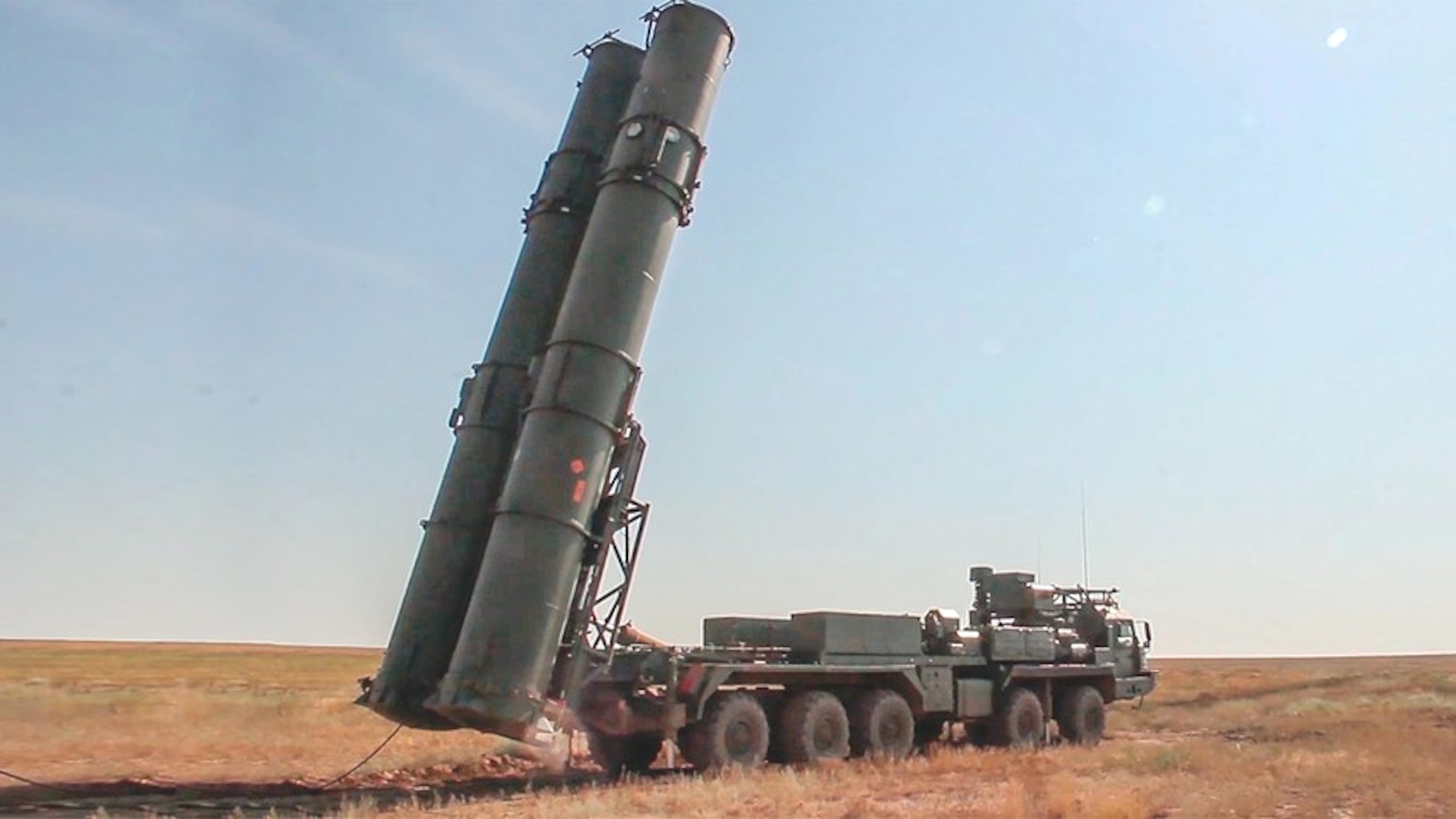
The S-500 Prometheus, developed by Almaz-Antey, is the undisputed king of air defence in 2026. While its predecessor, the S-400, focuses on traditional aircraft, the S-500 is a "space-defence" system designed to intercept threats at the edge of the atmosphere.
It uses the 77N6-N kinetic kill vehicle, which can hit targets at Mach 20 (approx. 24,000 km/h). Its strength lies in its ability to engage up to 10 hypersonic targets simultaneously, including hypersonic glide vehicles (HGVs) and low-orbit satellites.
With an operational range of 600 km and an altitude ceiling of 200 km, it provides a strategic umbrella that protects entire regions from modern space-based and high-speed threats.
#2. S-400 Triumph (Russia)
Source: Fortune India
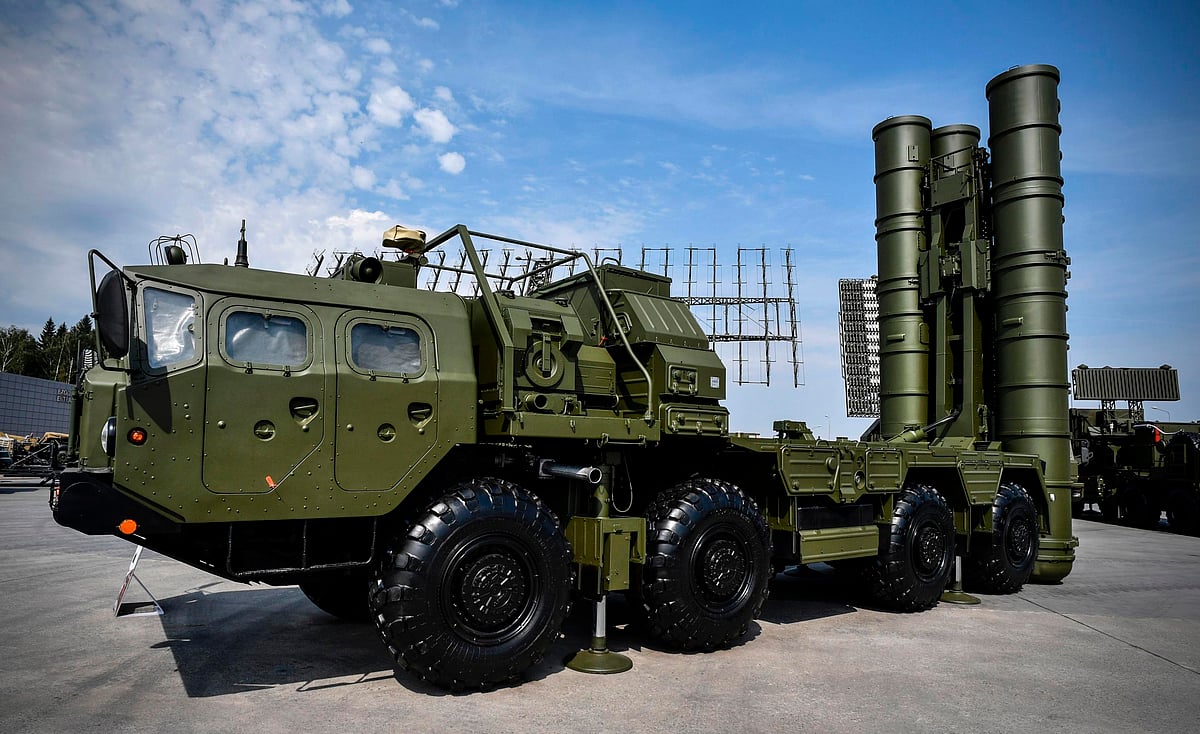
The S-400 Triumph remains a global powerhouse due to its versatility and multi-layered approach. Developed by Almaz-Antey, it uses four distinct missile types to create a "no-fly zone" for enemies.
Its longest-range missile, the 40N6E, can strike targets 400 km away at speeds exceeding Mach 14. The system is highly mobile, can be deployed in just 5 minutes, and its 91N6E panoramic radar can detect threats from 600 km away.
Its primary strength is its ability to track 300 targets at once, making it the backbone of national defence for Russia, India, and China. In 2026, it remains the most battle-tested long-range system for neutralising stealth aircraft and cruise missiles.
#3. Terminal High Altitude Area Defence (THAAD) (USA)

Source: Reuters
Developed by Lockheed Martin, THAAD is the gold standard for high-altitude ballistic missile defence. Unlike traditional systems, THAAD uses "hit-to-kill" technology, it carries no explosive warhead, instead destroying targets through pure kinetic energy at speeds over Mach 8.
In 2026, it is integrated with the AN/TPY-2 radar, which provides a massive detection range of 1,000 km. THAAD’s strength is its precision at high altitudes (up to 150 km), allowing it to intercept missiles before they re-enter the dense atmosphere.
This reduces the risk of debris or chemical warheads falling on populated areas, making it a critical shield for the US and its allies in the Indo-Pacific.
IN CASE YOU MISSED: What is S-400 Air Defence Missile System? Check Range, Speed and Origin Country
#4. David's Sling (Israel/USA)
Source: Turbosquid
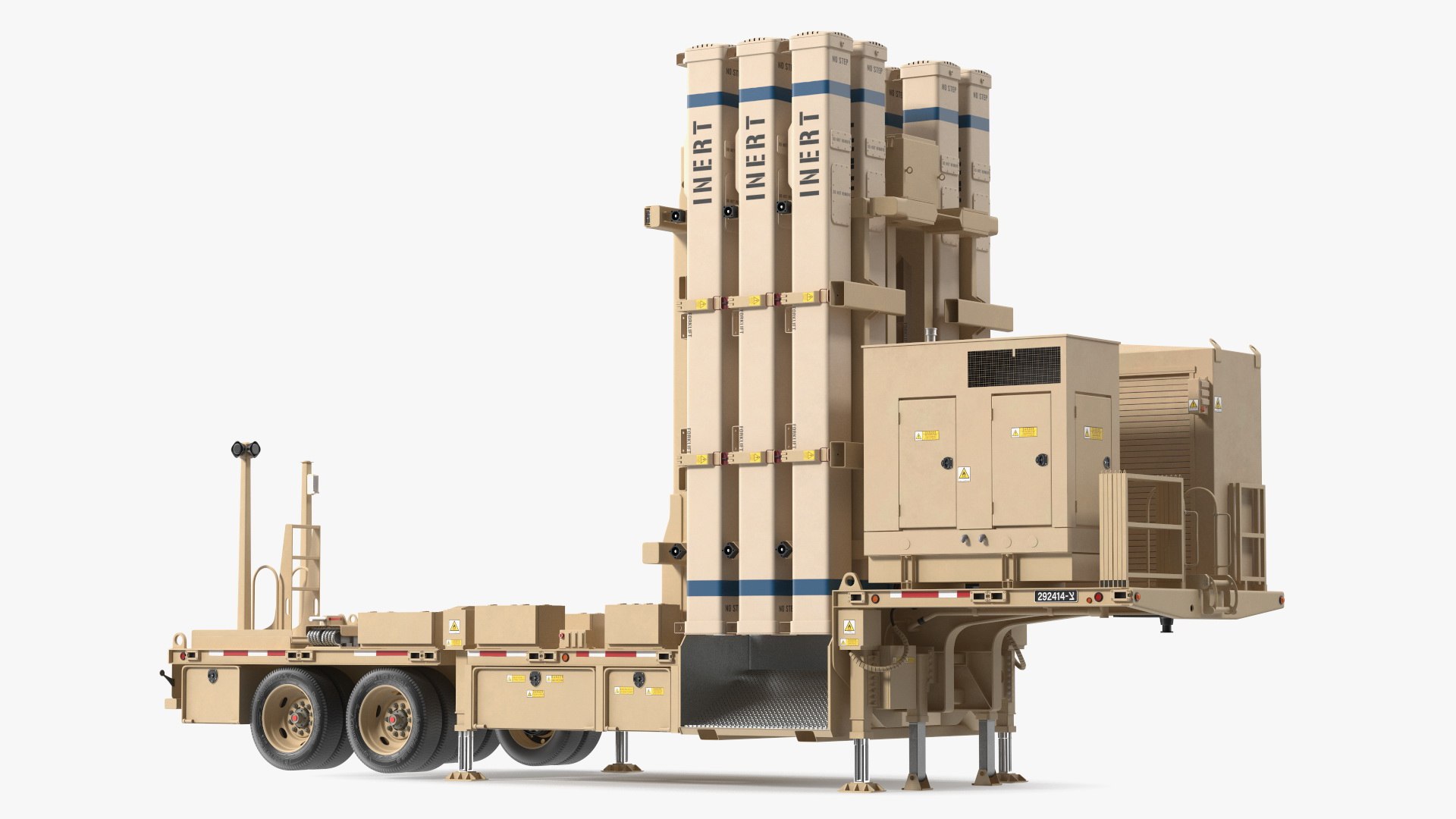
David’s Sling, co-developed by Israel's Rafael and America's Raytheon, has become a global favourite in 2026 for its "smart" interception. It targets medium- to long-range threats, such as cruise missiles and large rockets, at distances up to 300 km.
Its Stunner missile is unique because it uses a dual-seeker system (infrared and radar) and travels at Mach 7.5. This allows it to ignore decoys and hit only the actual warhead with extreme accuracy.
Its primary strength is its agility; the missile can perform sharp manoeuvres to chase down modern "zigzagging" cruise missiles, filling the vital gap between the Iron Dome and the Arrow missile systems.
#5. MIM-104 Patriot PAC-3 MSE (USA)

Source: Free3D.com
The Patriot system, manufactured by Raytheon and Lockheed Martin, has been the world's most reliable tactical defence since the 1980s. The 2026 PAC-3 MSE (Missile Segment Enhancement) version features a more powerful dual-pulse rocket motor, extending its range to 160 km and its speed to Mach 4.
Its strength lies in its combat-proven history and "plug-and-fight" modularity, which allows it to integrate with other systems such as THAAD or Aegis. It is highly effective against tactical ballistic missiles and advanced aircraft.
In 2026, its widespread use across over 17 countries ensures a global network of interoperable defence that can be rapidly deployed to any conflict zone.
#6. Iron Beam (Israel)
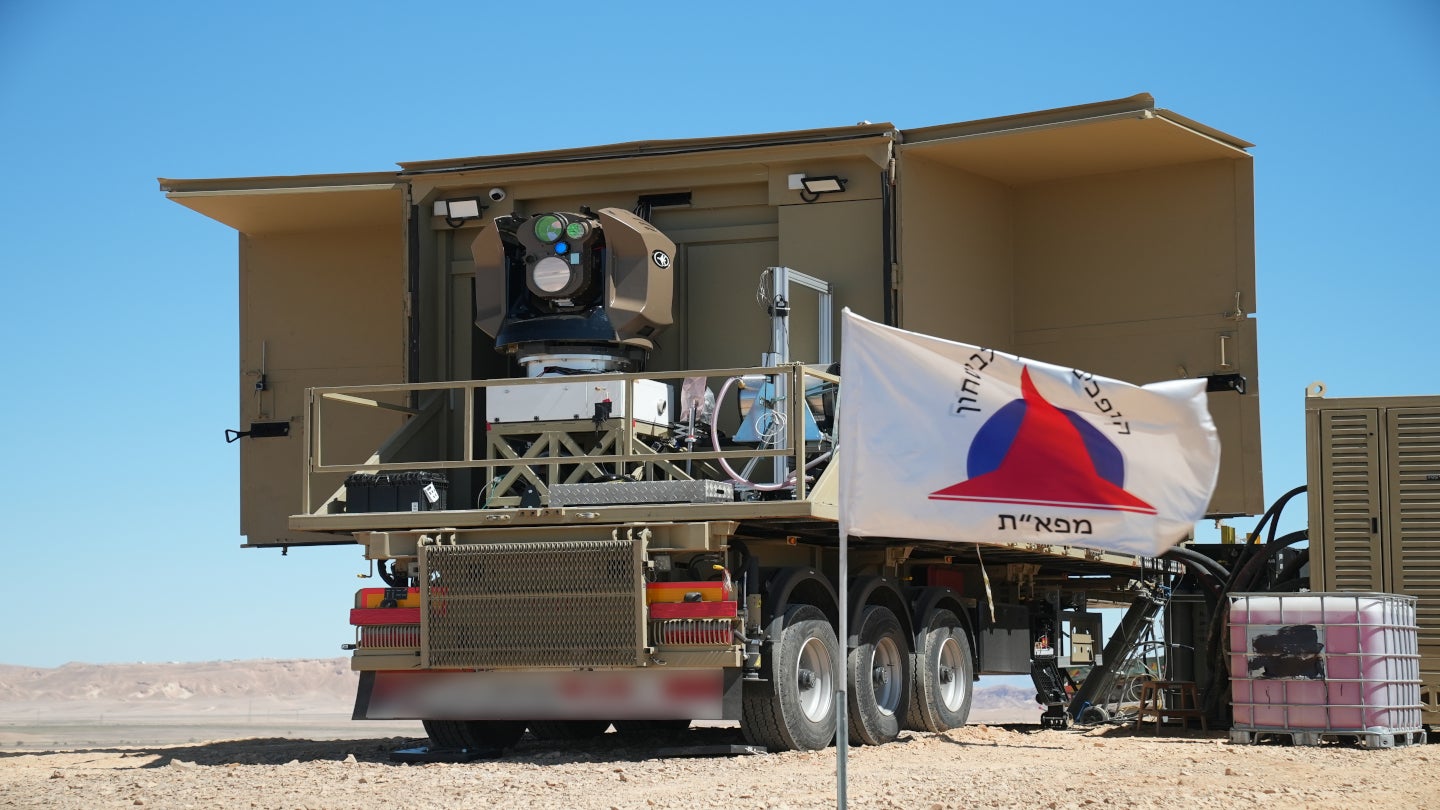
Source: Army Technology
New for 2026, the Iron Beam (also known as Or Eitan) is a revolutionary 100kW high-energy laser system developed by Rafael. Unlike other systems on this list, it uses light instead of missiles. While its range is shorter (approx. 10 km), it travels at the speed of light, making it impossible to outrun.
Its greatest strength is its economics; while a missile interceptor can cost $50,000, a laser shot costs only $2 to $3. It has an "unlimited magazine" as long as it has electricity, allowing it to defeat massive "drone swarms" or rocket barrages that would normally overwhelm traditional missile-based air defences.
YOU MIGHT LIKE: Top 10 Most Powerful Countries in the World by Military Strength (2026) | Check India's Rank
#7. HQ-19 (China)
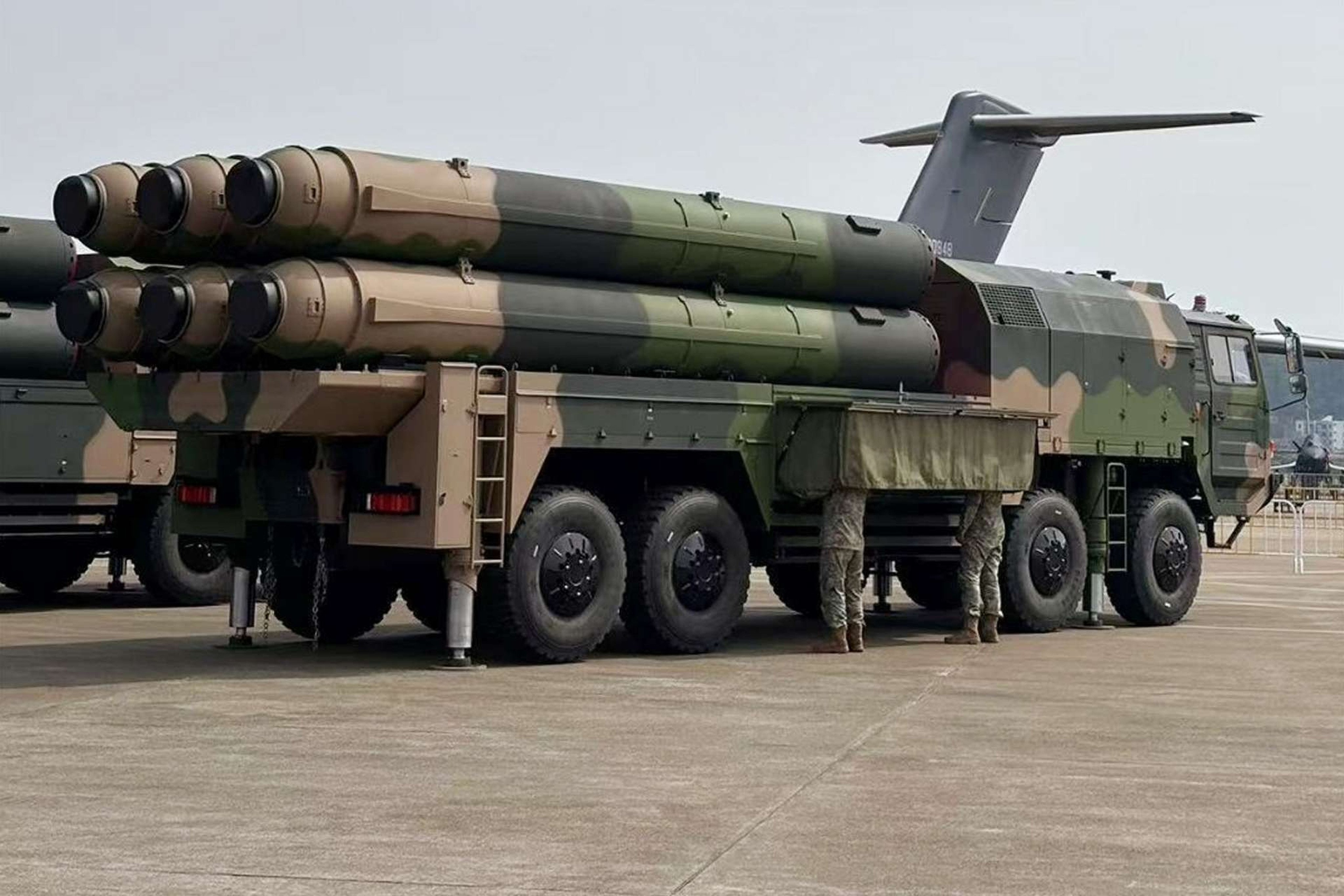
Source: SCMP
The HQ-19 is China's premier high-altitude interceptor, designed specifically to counter medium-range ballistic missiles and hypersonic threats. Developed by CASIC, it is often compared to the US THAAD but with enhanced range and altitude capabilities.
It uses a sophisticated phased-array radar and a kinetic-kill interceptor that reaches speeds of Mach 10+. Its strength is its deep integration into China’s national "Great Wall" of air defence, providing a second layer of protection behind the S-400 and HQ-9 systems.
In 2026, it is considered the most capable indigenous system in Asia for stopping incoming high-speed ballistic warheads.
#8. Aster 30 SAMP/T NG (France/Italy)

Source: MBDA
The Aster 30 SAMP/T NG (New Generation) is Europe's answer to modern aerial threats. Developed by Eurosam, this system can intercept targets at a range of 150 km with a missile speed of Mach 4.5.
Its strength is its 360-degree vertical launch capability, which allows a single battery to defend against attacks from any direction simultaneously.
The 2026 "NG" update includes the GF300 radar, which can track 100 targets and engage 10 at once. It is exceptionally effective against high-speed cruise missiles and provides a mobile, flexible defence for NATO forces across Europe.
#9. MEADS (USA/Germany/Italy)

Source: Reuters
The Medium Extended Air Defence System (MEADS) is a mobile, networked platform designed to replace older, static systems. It uses the PAC-3 MSE interceptor, achieving Mach 4 speeds and a detection range of 360 km. Its core strength is its "open architecture", it can connect any sensor to any launcher, enabling different countries to share data in real time.
In 2026, it is the primary mobile defence for Germany and Poland, offering 360-degree protection against drones, tactical missiles, and aircraft while enabling rapid movement alongside ground troops on the battlefield.
#10. Barak-8 / LRSAM (India/Israel)
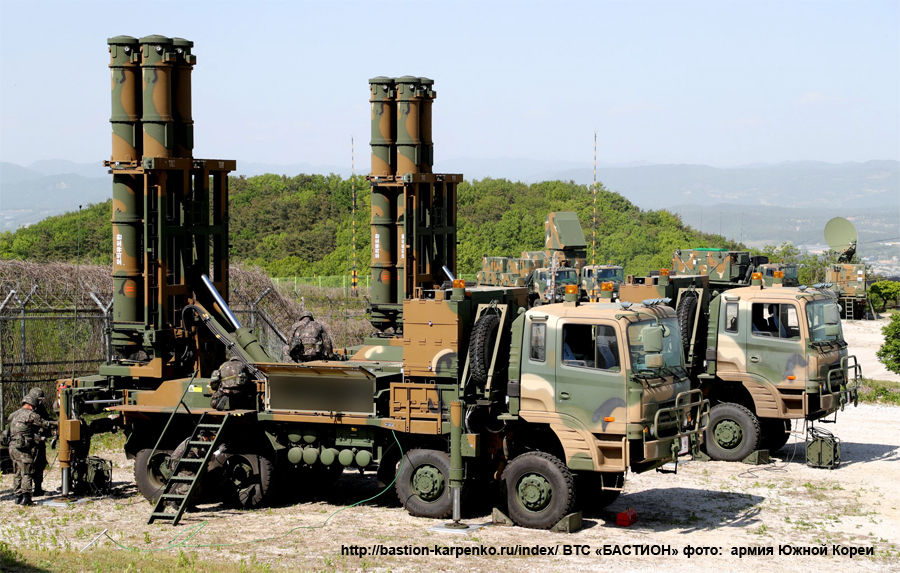
Source: Eurasian Times
Co-developed by India's DRDO and Israel's IAI, the Barak-8 is a versatile system used for both land and sea defence. It has an operational range of 100 km and a speed of Mach 2. Its strength lies in its dual-pulse rocket motor and active radar seeker, which keep it locked on even against highly manoeuvrable targets.
In 2026, it is the primary defence for the Indian Navy's frontline warships and protects critical Indian cities. Its ability to handle "saturation attacks" (when many missiles are fired at once) makes it one of the most reliable medium-range systems in the world today.
Which Country Has the Most Powerful Air Defence System in the World?
In 2026, Russia is seen as the world leader in air defence, largely due to the S-500 Prometheus system. The United States and Israel also have strong and reliable technologies, but Russia’s defence network is known for its long range and ability to operate in space.
The S-500 was built to handle new threats that older systems cannot, including hypersonic glide vehicles travelling at Mach 20 and low-orbit satellites.
In addition to the S-500, Russia uses a layered air defence system that includes the S-400 Triumph for long-range threats and the S-350 Vityaz for fast cruise missiles. Together, these systems form a network that can spot objects more than 2,000 kilometres away.
WHAT'S NEXT: Complete List of Air Defence Systems in India, All You Need to Know

Kriti Barua is a skilled content writer with 4+ years of experience in creating clear, engaging, and informative content. She began her writing journey as a Creative Writer Intern at Wordloom Ventures. She holds a BA degree from Delhi University and has completed a one-year diploma in TV Production and Journalism, which adds depth to her research and reporting style.
Kriti has worked across brand writing, marketing content, and digital media, building strong expertise in articles that connect with readers and perform well online. At Jagran New Media, she writes for the GK section, covering national news, international stories, and query-based articles that answer what people actively search for. Her work focuses on easy language, reliable information, strong keywords, and reader-friendly storytelling, making her content both helpful and search-friendly.


