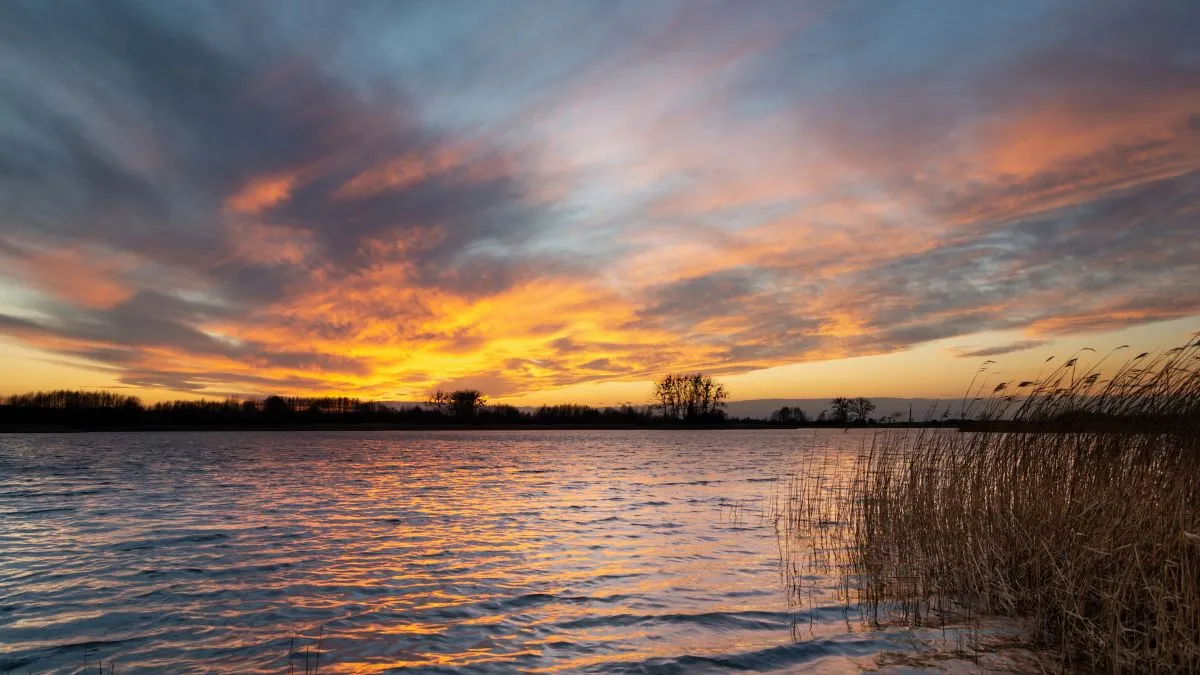
Lake of Tears: Loktak Lake in Manipur is often referred to as the “Lake of Tears”. This name comes from its deep cultural stories, emotional legends, and the powerful connection the local people have with this ancient lake. Loktak is Asia’s largest freshwater lake formed from floating biomass called phumdis, and many folktales describe it as a place of loss, love, and emotional history, which led to the name “Lake of Tears”.
Why Is Loktak Lake Called the Lake of Tears?
Loktak Lake is associated with old Manipuri legends where people mourned loved ones lost in wars and natural calamities. These stories describe the lake as silently holding their pain, giving it the symbolic name “Lake of Tears”. Over generations, the emotional value remained strong, and today the lake is seen not just as a water body but as a living part of Manipur’s cultural heart that carries memories of sorrow and resilience.
Largest Freshwater Lake in Northeast India
Loktak Lake is the biggest freshwater lake in Northeast India, making it an important ecological hotspot. The lake supports thousands of people who depend on fishing, farming, and tourism. Its floating islands move slowly across the lake, creating a landscape that looks completely different from any other lake in India. This size and uniqueness make Loktak vital for biodiversity, local income, and environmental conservation.
World’s Only Floating National Park
Keibul Lamjao National Park, the world’s only floating national park, lies inside Loktak Lake. This rare ecosystem rests on phumdis, which are natural floating masses that support wildlife. It is also the last natural home of the endangered Sangai deer, often called the “dancing deer” of Manipur. The park’s existence adds emotional and ecological significance to the lake, strengthening its identity as a place of rare beauty and delicate life.
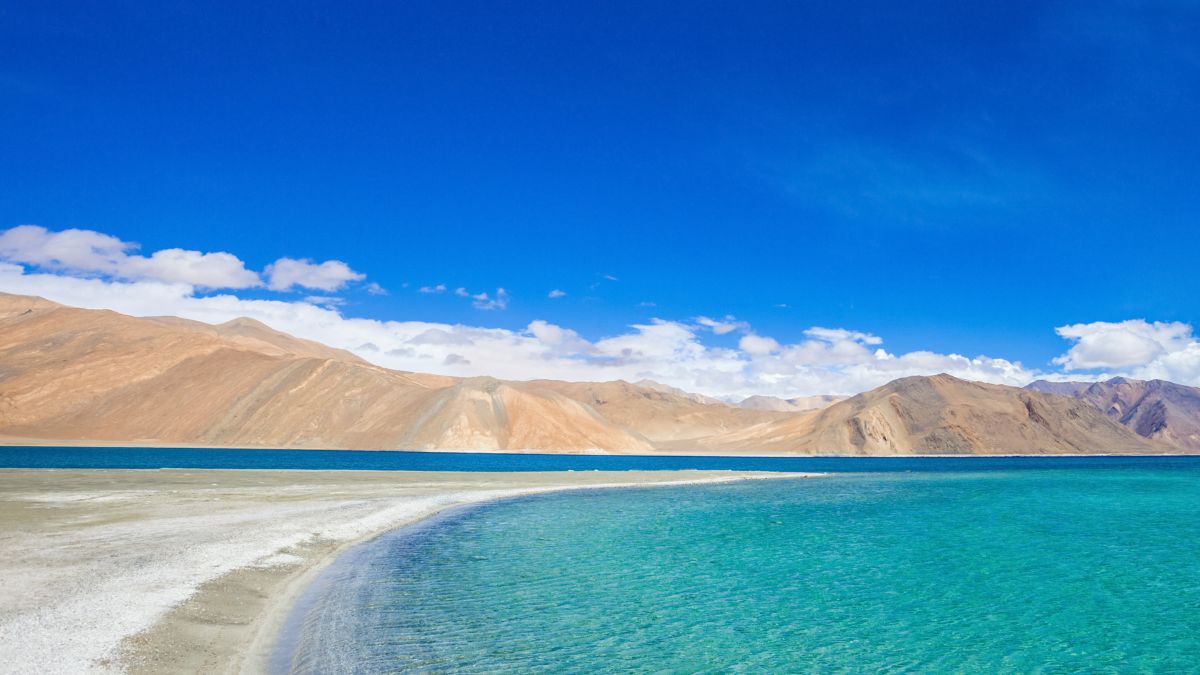
Interesting Facts About the Lake of Tears
1. Only Lake in the World with Floating Islands
Loktak Lake is famous for its phumdis, which are natural floating islands made of soil, vegetation, and organic matter. These islands move around the lake depending on water levels, making the landscape look different in every season. No other freshwater lake in the world has such large and naturally floating land masses, which makes Loktak a globally unique ecosystem.
2. Home to the World’s Only Floating National Park
Keibul Lamjao National Park sits on the floating phumdis inside Loktak Lake, making it the only floating national park on Earth. It is also home to the rare Sangai deer, found nowhere else in the world. The park’s floating ground is strong enough for animals to walk on, creating one of the most unusual wildlife habitats in Asia.
3. Largest Freshwater Lake in Northeast India
Loktak Lake is the biggest freshwater lake in Northeast India, covering nearly 300 square kilometres. This massive size supports thousands of families who depend on the lake for fishing, farming, and water. The lake’s large area also plays a crucial role in controlling floods and maintaining the region’s climate.
4. Lifeline of Manipur
People call Loktak Lake the “Lifeline of Manipur” because it provides water for farming, drinking, hydropower generation, and local income. Many villages depend entirely on this lake for their daily needs. Its importance in food, money, water supply, and transportation makes it one of Manipur’s most valuable natural resources.
Read more: Which Flower Is Called the King of Flowers?


Comments
All Comments (0)
Join the conversation