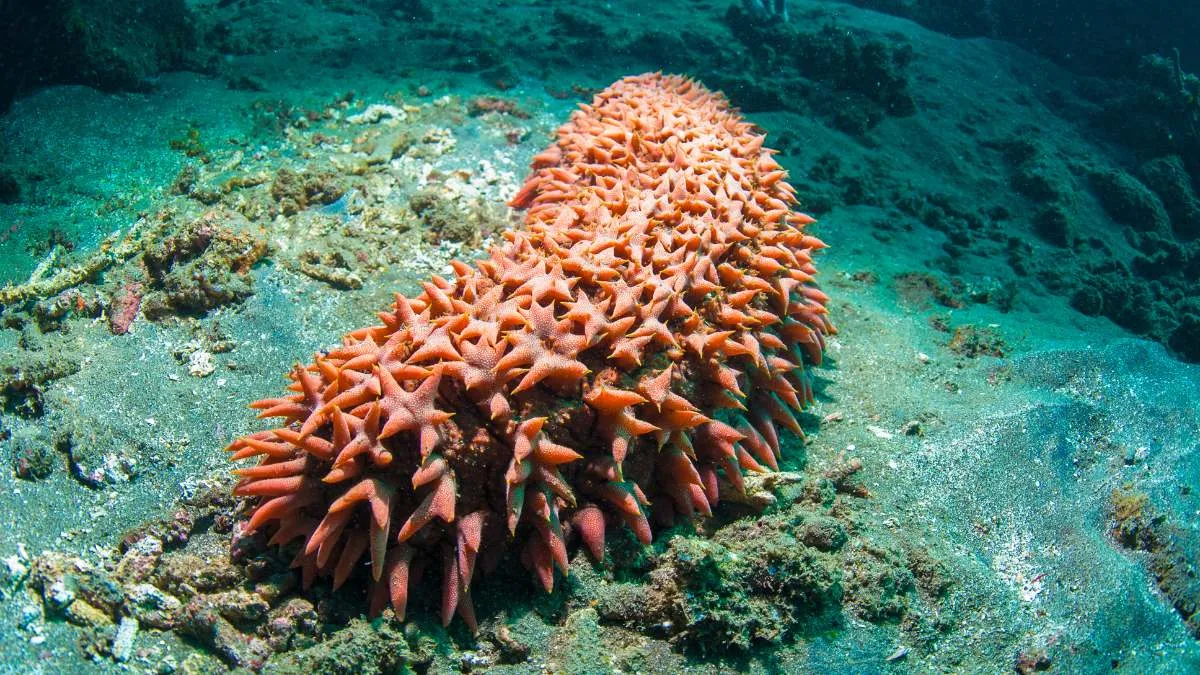
Invertebrate Animals: The animal kingdom is full of diverse species, each uniquely adapted to survive in its environment. Among them is a vast group known as invertebrates, animals that do not have a backbone or any internal skeletal bones. Invertebrates make up more than 95% of all known animal species on Earth, highlighting just how dominant and essential they are to global ecosystems.
These animals without bones rely on soft tissues, fluid-filled cavities, and external structures instead of bones to support and move their bodies.
In this article, we will explore the top 10 invertebrates, each remarkable in its own way and showcasing the incredible adaptability of life without bones.
Check out: - List of 5 Most Captivating Birds that Sing at Night: Ranked
Invertebrates Animals
Here is the list of all the animals that don't have a backbone:
| Sr. No. | Animal |
| 1. | Jellyfish |
| 2. | Octopus |
| 3. | Sea Cucumbers |
| 4. | Sea Urchins |
| 5. | Flatworms |
| 6. | Nudibranchs |
| 7. | Squid |
| 8. | Earthworms |
| 9. | Slugs |
| 10. | Butterflies |
1. Jellyfish
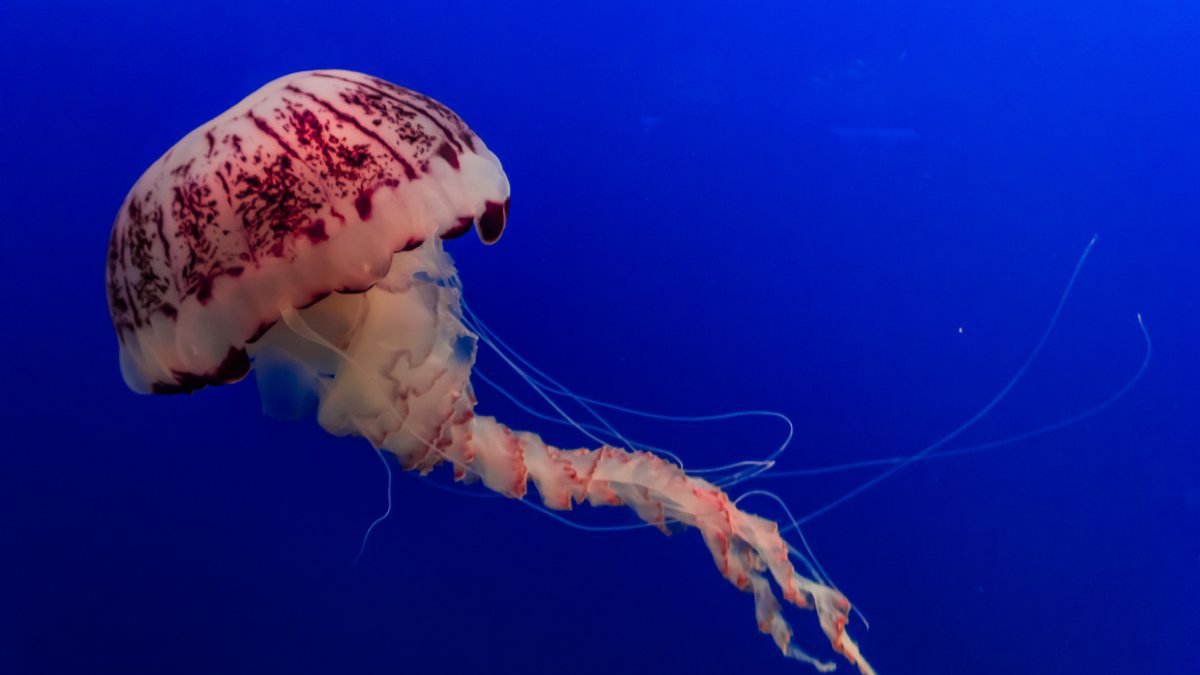
Jellyfish are iconic marine creatures known for their translucent, umbrella-shaped bodies. Completely boneless, their structure is made of a jelly-like substance called mesoglea. They drift through the ocean using gentle pulsations, making them one of the simplest yet most visually enchanting invertebrates.
2. Octopus
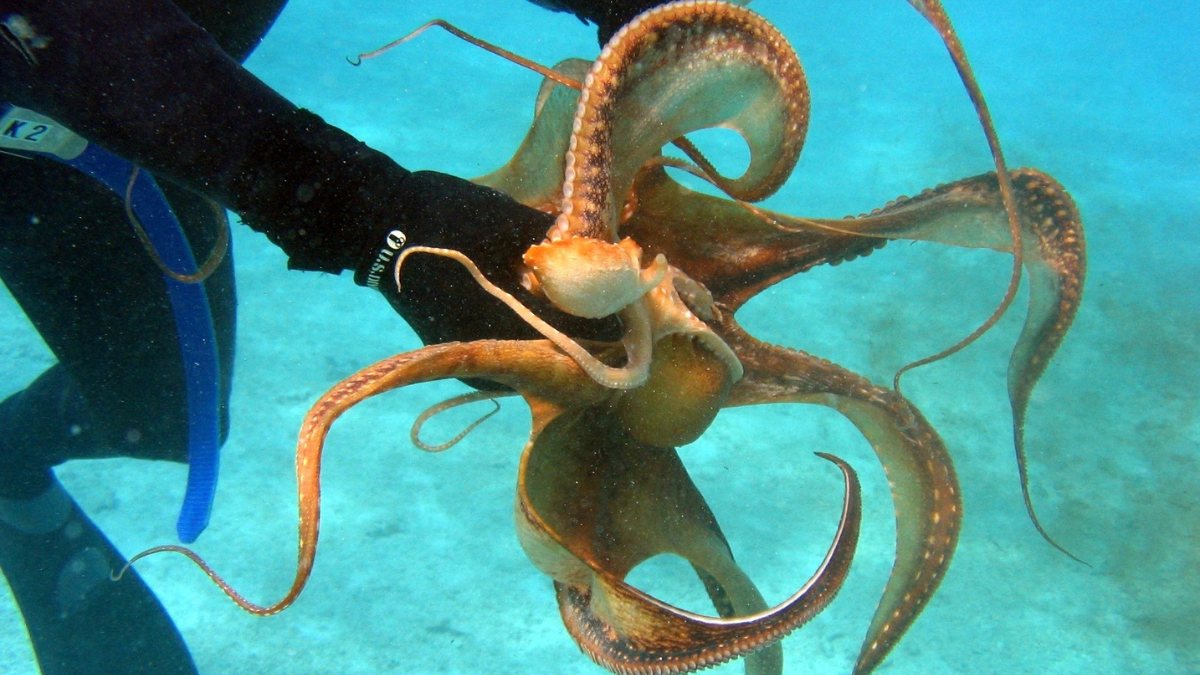
Despite their complex intelligence, octopuses have no bones at all. Their bodies are extremely flexible, supported by a muscular mantle. This allows them to squeeze into tiny spaces, change shape, and move swiftly in the water, making them highly efficient hunters.
3. Sea Cucumbers
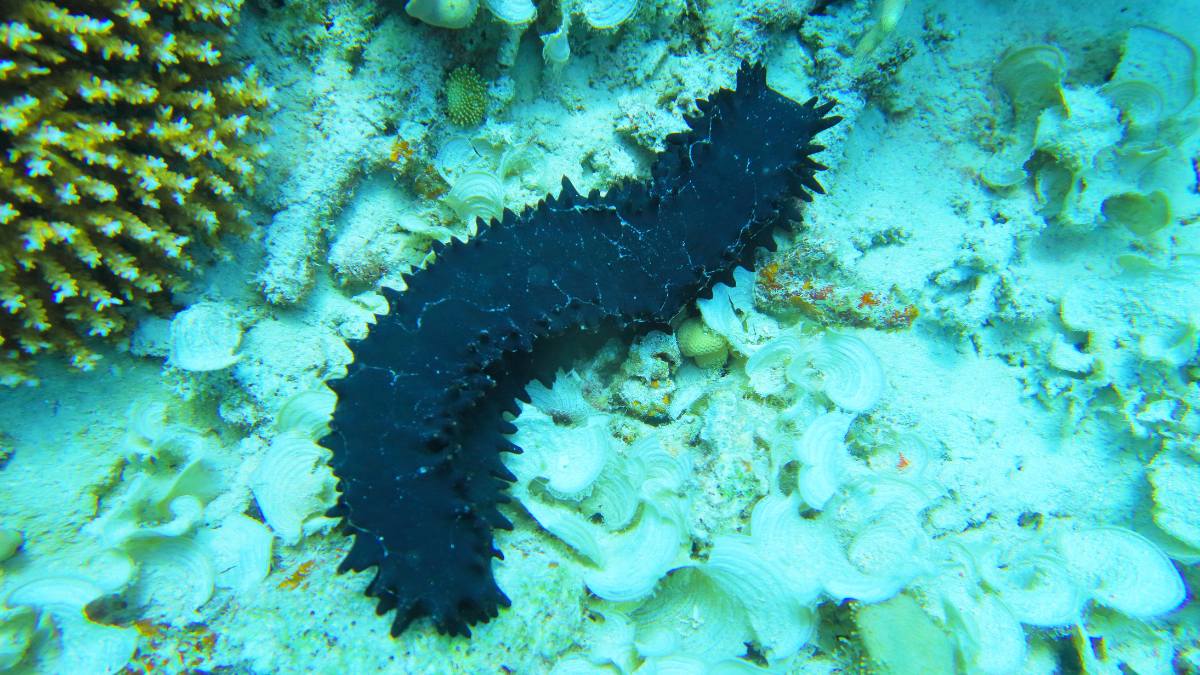
Sea cucumbers are soft-bodied marine animals that lack bones and rigid structures. Their bodies can bend, stretch, and contract to help them move slowly across the ocean floor. They play an important role in maintaining marine ecosystems by recycling nutrients.
4. Sea Urchins
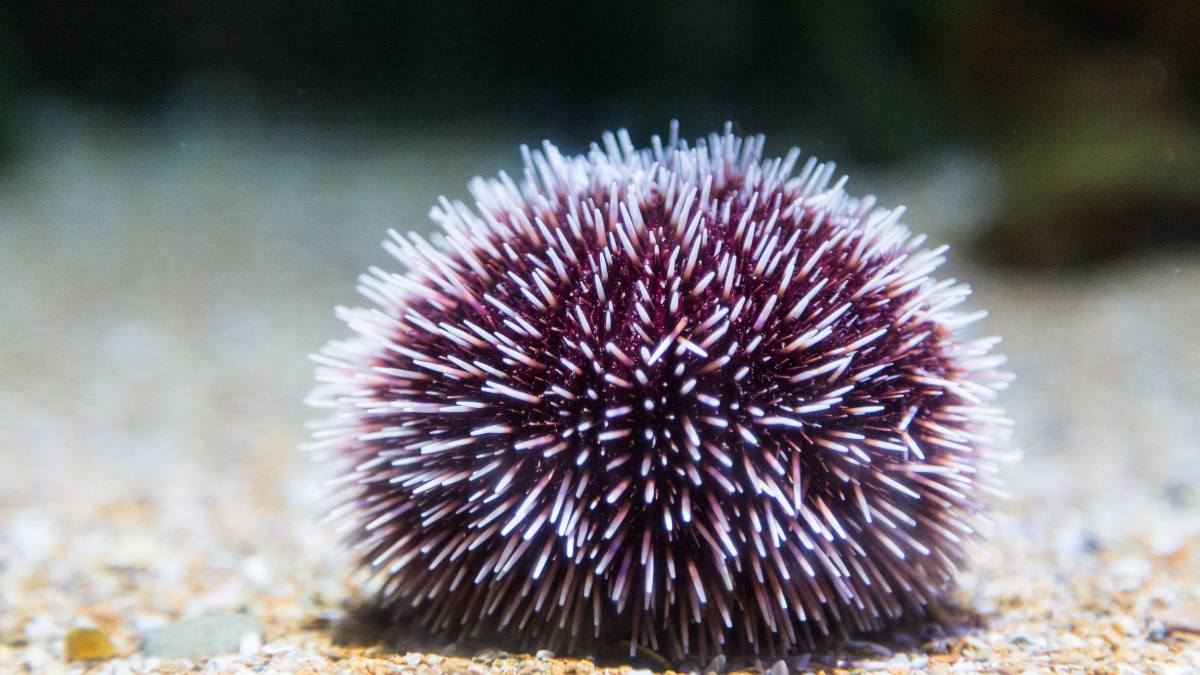
While their outer spikes may look like rigid bones, sea urchins actually have no true bones in their bodies. Instead, they possess a shell-like structure made of calcium carbonate plates that provide protection and shape without forming a backbone.
5. Flatworms
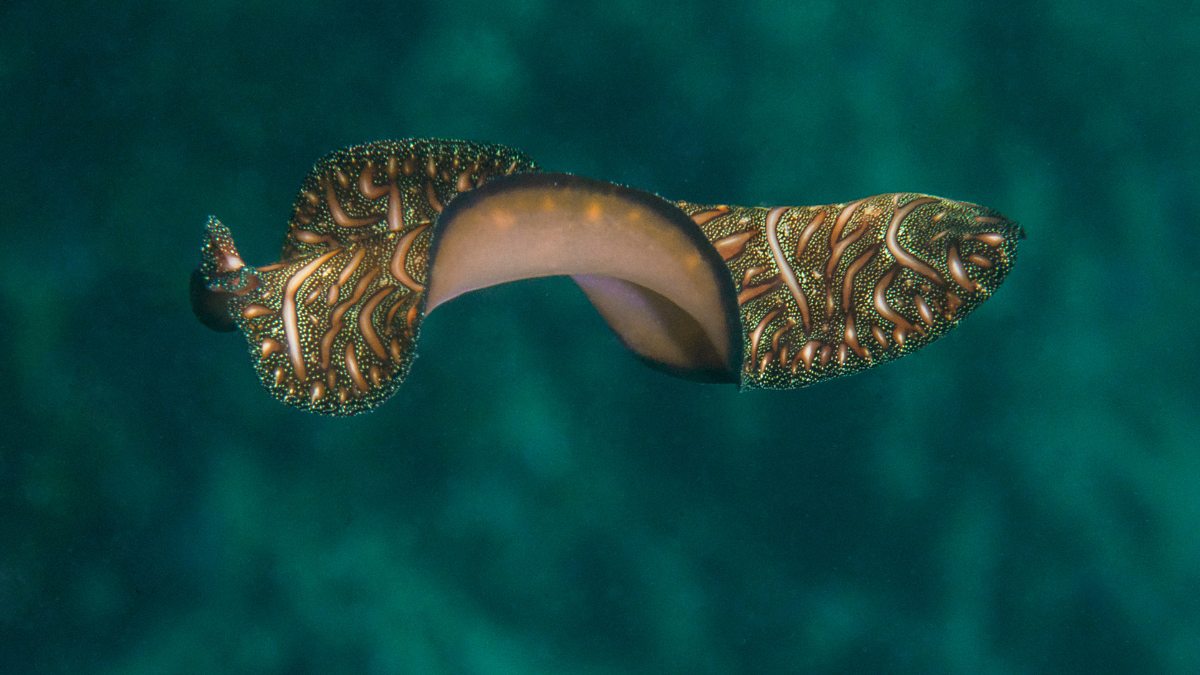
Flatworms are simple invertebrates with flat, soft bodies. They move by gliding over surfaces or swimming through water. With no bones or hard structures, their flexible form allows them to adapt easily to different environments.
Recommended Reading:



Comments
All Comments (0)
Join the conversation