Beyond the 'Dancing Girl': Why Indus Valley Artefacts Continue to Surprise Archaeologists
People in the Indus Valley made many kinds of art. Some artists carved faces and bodies from stone. Others made shiny bronze statues using a special wax trick. But most people made simple clay toys and little figures. These sculptures and statues show us what life was like for families and kids during the Harappan civilisation.

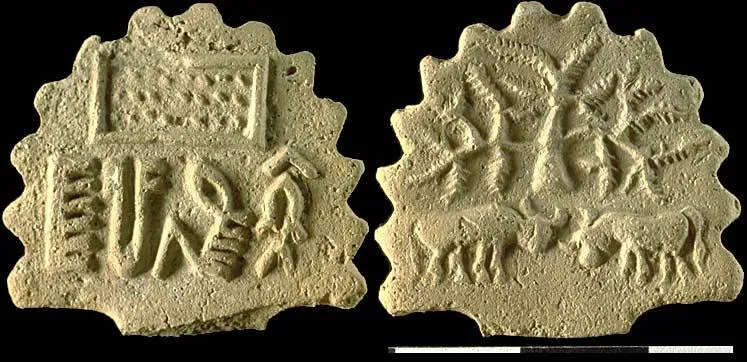
Do you know that the Indus civilisation script is so difficult to decode, since the texts are very short and written in an unknown language? What makes this script hardest to understand and decipher is that you cannot find any long poem, story, narrative, or historical records.
The inscriptions, basically a major chunk of them, contain only 4 to 5 characters. The longest sentence ever decoded from the Indus script contained 26 characters. Interesting, isn't it?
The Indus Valley civilisation, or the Indus-Saraswati civilisation, is one of the most famous and ancient civilisations in the world. It is India's oldest civilisation, dating back to 3300-1300 BCE and maturing between 2600 and 1900 BCE. Also known as the Harappa or Harappan civilisation, it extended along the Indus River to present-day countries like northwest India, Pakistan, and northeast Afghanistan.
For students preparing for the SSC or UPSC exams, remember this key fact: the Indus Valley Civilisation is the first known civilisation in India. Because it came first, it laid the foundation for all the other civilisations that followed. And to make it more interesting for you, the Harappan civilisation was way more advanced than its time.
People learned how to mine metals from nature, purify them, and mix them together – in one word, people learned about metallurgy, the scientific study of metals and how they work.
And once they mastered metallurgy, the artisans of the Indus Valley civilisation created some of the most spectacular sculptures, which baffled archaeologists and historians as to how a normal civilisation could carve such intricate works.
What Materials Did the Indus Valley People Use to Make Sculptures?
The Indus Valley Civilisation was a highly sophisticated Bronze Age civilisation. Bronze Age? So, we all know that when humans first created tools, they were made of wood and stone, which is why that period was called the Stone Age. But as humans became more logical and advanced, they discovered how to create tools from materials other than stone, wood, or rock.
They understood what metallurgy was—that is, how to find techniques for getting metals out of nature, purifying and combining them and studying their properties. This period was called the Bronze Age. During this period, humans learned metallurgy, stone carving and the use of synthetic materials, which was an extraordinary thing for the time.
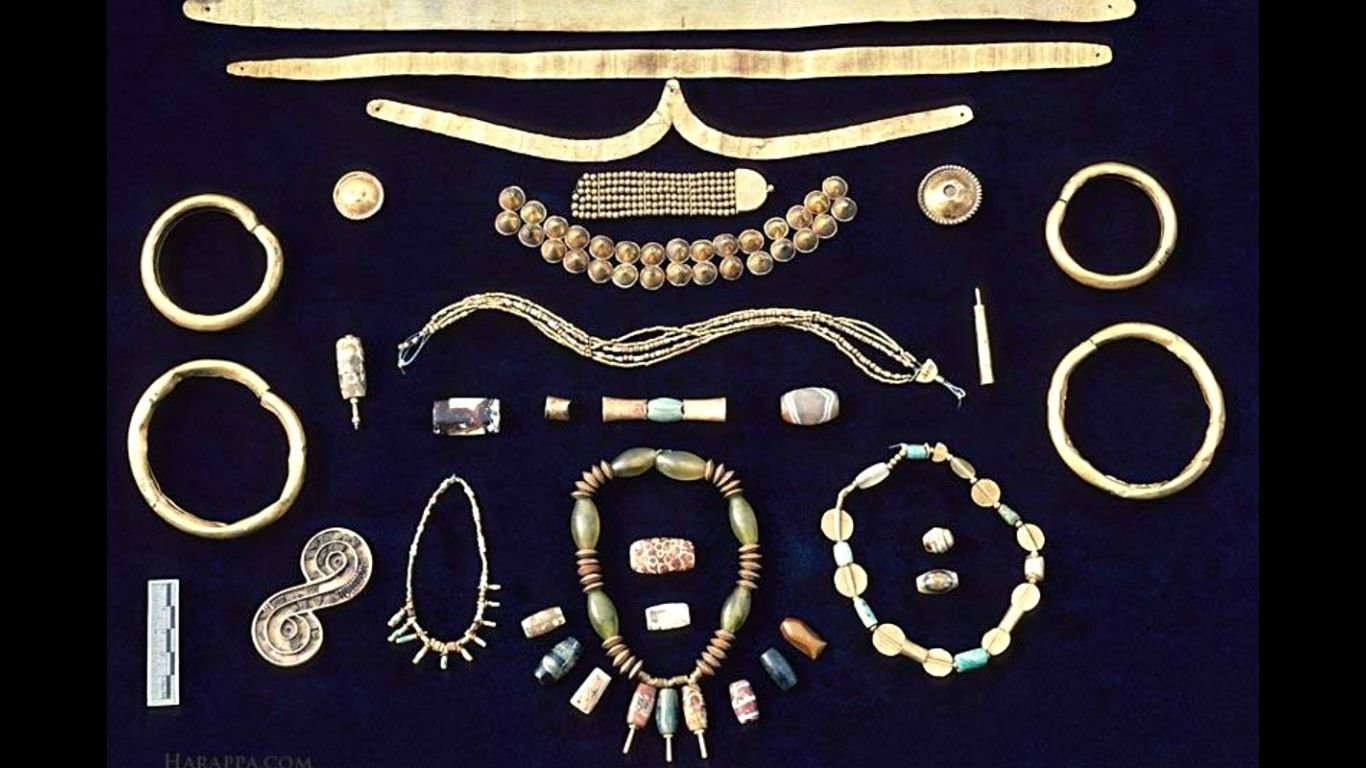
During the Bronze Age, the Harappans had advanced knowledge about alloying. Still, they heavily relied on copper. In the Indus Valley Civilisation, materials such as copper, bronze, gold, silver, lapis lazuli, jade, turquoise, jasper, and more were available at that time.
And since we already read that the Harappans knew about different kinds of materials, they were the masters of resource management. Instead of relying on just one medium, they used a diverse range of natural resources to create three distinct categories of sculptures: Stone, Metal (Bronze), and Terracotta (Baked Clay).
1. Precious and Soft Stones (The Elite Medium)
Source: Harappa
We don't find many stone sculptures in Harappan sites if we compare them to clay or bronze. The reason? Since stones were rare, they were super valuable and expensive. And second, the sculptures made of stone were probably only used for religious rituals or made for the political kings and elites.
The Main Materials Used
1. Steatite (Soapstone)
- This was the absolute favourite stone of Harappan artists.
- Since soapstone is naturally soft, it was incredibly easy to carve fine details into it using copper tools.
- After finishing the carving, they baked the stone in fire kilns. This hardened the stone and gave it a beautiful white or cream colour finish.
- Example: The famous Bearded Priest-King statue from Mohenjo-daro was made from this exact stone.
2. Red Sandstone & Grey Chert
- These stones were much harder to work with. The artists needed highly sophisticated tools just to chisel them.
- Example: The Male Torso found at Harappa was made from red sandstone. It looks very realistic and shows that Harappan artists understood human anatomy perfectly, way before the Greeks did.
Where Did the Stone Come From? (Trade Networks)
Harappan cities were built on flat river plains, so there was almost zero natural stone available nearby. Every single piece of stone had to be brought in through long-distance trade.
- Steatite: Imported through trade routes from Rajasthan and Gujarat.
- Lapis Lazuli: This is a stunning, deep blue stone used for decoration. They brought it all the way from a far-off trading spot called Shortugai, which is in modern-day Afghanistan.
- Jade: Imported all the way from Central Asia.
- Agate and Carnelian: Sourced from the river valleys of Gujarat.
2. Bronze and Copper Alloys (The Technological Marvel)
Source: Exotic India Art
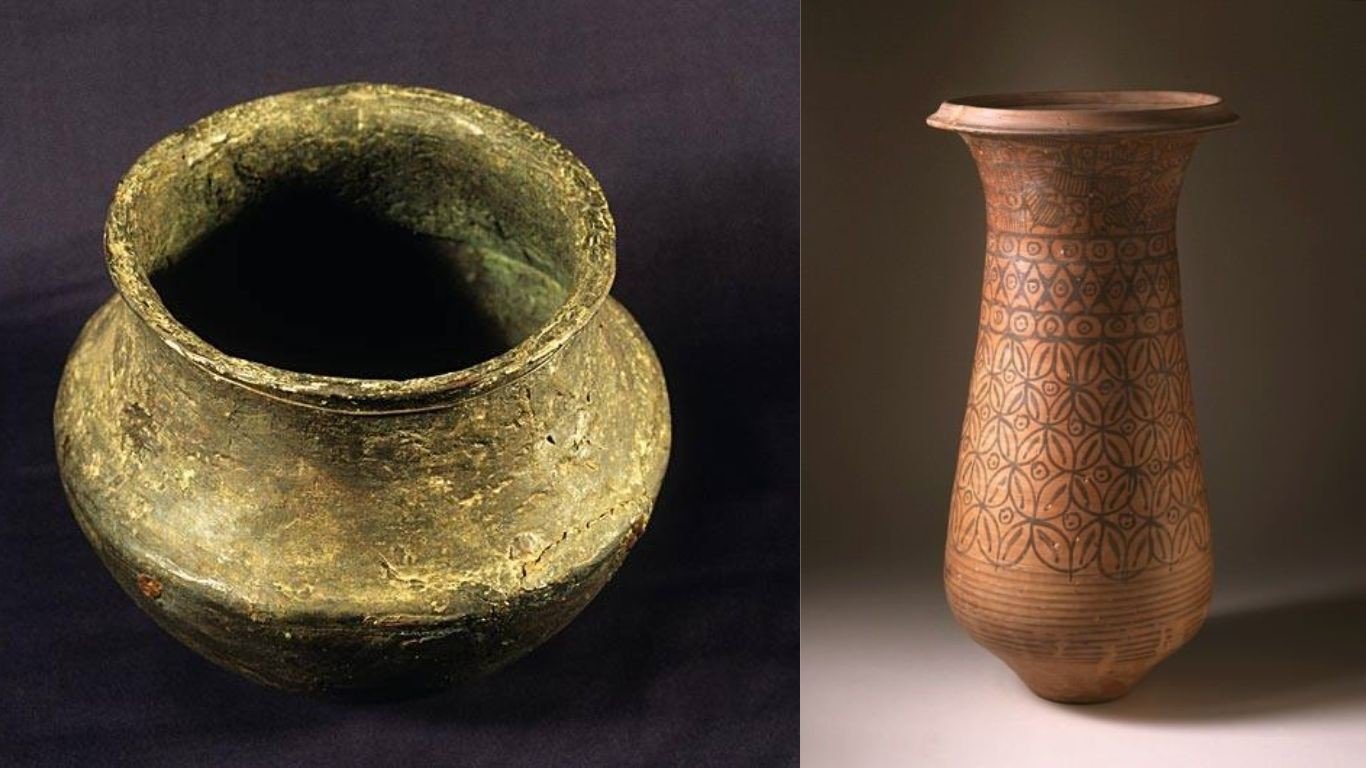
The Indus Valley Civilisation (IVC) existed during the Bronze Age. Their metal statues prove they were absolute experts at working with metals (metallurgy) way before almost anyone else in the world.
What They Made and How
1. The Metal Mix (Composition)
- Harappan bronze wasn't just pure copper. Artists intentionally mixed copper with tin (and sometimes a bit of arsenic).
- Mixing these metals made a much stronger material that melted into a smooth liquid. This made it super easy to pour into complicated moulds.
2. The Famous Artworks
- Thanks to this perfect mix, they made the famous Dancing Girl of Mohenjo-daro statue.
- They also made highly realistic animal statues, such as dogs, birds, and bulls, that archaeologists found at sites like Kalibangan and Lothal.
The Big Tech Breakthrough: Lost-Wax Technique
To make their metal figures (both hollow and solid ones), the Harappans invented an indigenous method called the Lost-Wax Technique (also known as Cire Perdue).
The basic steps they followed were:
- First, make a detailed model out of wax.
- Coat the whole thing in clay and let it dry.
- Heat it up so the wax melts and runs out through a tiny hole.
- Pour the liquid bronze into the empty clay shell.
- Break open the clay once it cools down, and boom, your statue is ready.
Fact: These statues have survived for over 4,500 years without rusting or breaking down. This proves that their metal mixing skills were incredibly high quality.
Where They Got the Materials (Trade Sourcing)
- Copper: They got plenty of this locally. It was mined from the famous Khetri mines in Rajasthan and carried hundreds of miles to big cities like Harappa.
- Tin: This was a rare and precious material. They had to import it all the way from modern-day Afghanistan and Iran. Because tin was so hard to get, owning bronze items was a huge status symbol back then.
3. Terracotta (The Democratic Medium)
Source: Harappa
While expensive stone and bronze statues were only found in big government cities, terracotta was everywhere. Anyone could get it. It represents the everyday art of the common people.
What is Terracotta and How Was It Made?
1. The Simple Mix
- Terracotta is basically just regular river clay mixed with sand or bits of plants.
- Artists shaped it by hand and baked it in open fires (kilns). This turned the clay into a tough, reddish-brown ceramic that lasted a long time.
2. The Pinching Method
- They didn't use fancy liquid moulds as they did for bronze. Instead, they used a simple "pinching" technique.
- Artists would take raw clay, pinch it out to make arms, legs, or a nose, and then stick on tiny clay balls to represent eyes or necklaces. It looked a bit crude, but it was incredibly expressive!
The Famous Masterpieces
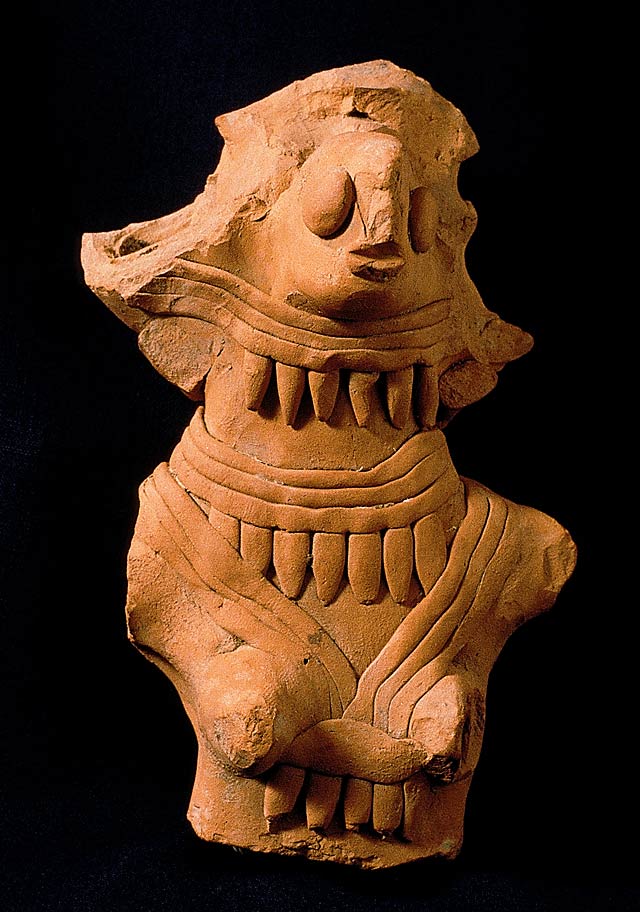
- The Mother Goddess: This is the most famous terracotta find. These figures have simple, pinched faces, small, round eyes, and massive fan-shaped hats.
- Everyday Toys: They also made tonnes of regular stuff like toy carts with moving wheels, bird whistles, and monkeys that could climb up a string.
No Trade Needed (Zero Cost)
The main reason terracotta was so popular was that the material cost absolutely nothing. The fertile plains of the Indus River gave people an endless supply of high-quality clay right outside their doors.
Because they didn't need long-distance trade, archaeologists have found terracotta items in almost every single excavated house, from massive, rich mansions to tiny, humble huts.
UPSC High-Yield Takeaway:
When writing your Mains answer, it helps to follow a simple structure to organise your thoughts and score higher:
- Introduction: Start by giving a brief background on Indus Valley materials and their significance in ancient art.
- Body:
- a) Materials Used: Explain the main materials (stone, bronze, terracotta) and how they were sourced and crafted.
- b) Social and Cultural Context: Discuss what these materials and artefacts reveal about the different social groups in Harappan society, such as skilled guilds, wealthy patrons, and the common people.
- Conclusion: Summarise how the diversity of materials and craftsmanship reflects the complex and inclusive nature of the civilisation.
As you write, focus on how these materials show social differences. Stone and bronze objects suggest there were skilled guilds and wealthy patrons. In contrast, terracotta shows a lively folk art tradition that involved everyday people in Harappan society.
How Did Harappan Civilisation Artisans Make the Famous Bronze 'Dancing Girl'?
The Dancing Girl of Mohenjo-daro is a tiny bronze statue, just about 10.5 cm tall, made around 2500 BCE. Despite its small size, it is actually one of the greatest engineering achievements of the ancient world. It shows us that the people of the Indus Valley completely mastered advanced metalworking long before most Western societies even figured out how to do it.
To make this statue, the artisans used a brilliant method called the Lost-Wax Technique (also known as Cire Perdue). For a Harappan metalworker, following the exact step-by-step order was absolutely everything. A single mistake at any point in the process would ruin the entire sculpture completely.
The Step-by-Step Casting Process
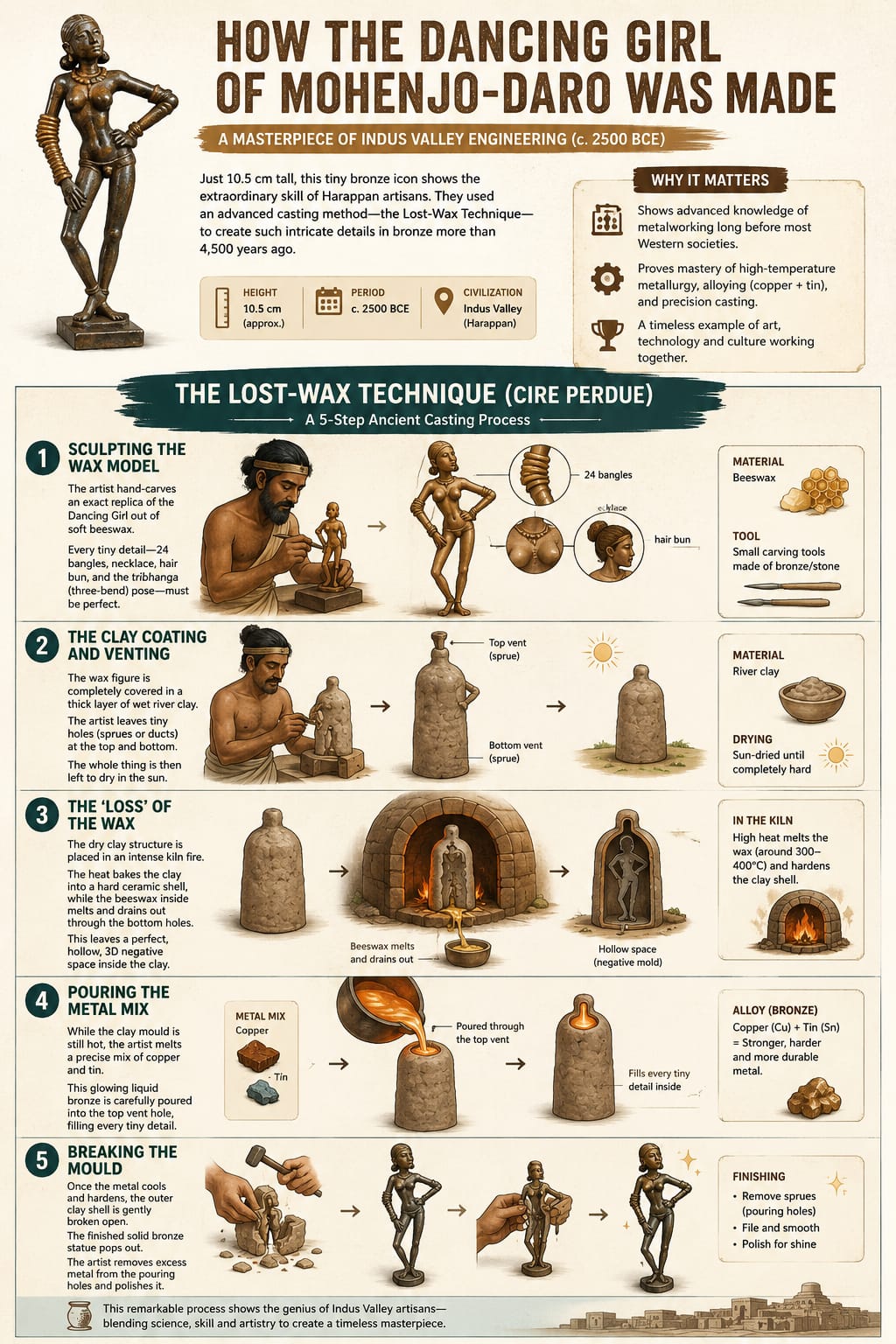
1. Sculpting the Wax Model:
- First, the artist hand-carves an exact replica of the Dancing Girl out of soft beeswax.
- Every tiny detail of her 24 bangles, necklace, hair bun, and her famous tribhanga (three-bend) dancing pose must be perfect on this wax model.
2. The Clay Coating and Venting
- Now, the wax figure is completely covered in a thick layer of wet river clay.
- The artist leaves tiny holes (called sprues or ducts) at the top and bottom of the clay shell.
- The whole thing is then left out to dry completely in the sun.
3. The 'Loss' of the Wax:
- The dry clay structure is thrown into an intense kiln fire.
- The heat bakes the clay into a hard ceramic shell, while the beeswax inside melts and drains out completely through the bottom holes.
- This leaves a perfect, hollow, 3D negative space inside the clay.
4. Pouring the Metal Mix:
- While the clay mould is still hot, the artist melts a precise mix of copper and tin.
- This glowing liquid bronze is carefully poured into the top vent hole, filling up every single tiny gap left behind by the melted wax.
5. Breaking the Mould:
- Once the liquid metal cools and hardens, the outer clay shell is gently broken open with a hammer. The finished solid bronze statue pops out.
- The artist removes excess metal from the pouring holes and polishes it.
High-Value Technical Insights for UPSC
For the Civil Services Examination, you should know the deeper science and cultural links of this artefact:
1. The Science of the Mix (Alloying)
Working with pure copper is actually pretty tough. On its own, copper is way too soft, and when you try to melt and pour it, it creates gas bubbles that leave ugly little bubbles in the metal.
So, the Indus Valley artisans figured out a brilliant fix for this. They started mixing copper with tin, which completely changed how the metal behaved. Adding tin did two major things:
- It lowered the melting point. The metal melted much faster, meaning they could easily liquefy it using regular wood fires without needing crazy high temperatures.
- It made the liquid way smoother. The molten metal became much more fluid. This allowed it to flow easily into the tiniest, narrowest parts of their moulds, like the statue's delicate fingers and thin bangles, without getting stuck.
2. Solid vs. Hollow Casting
When you look at the Dancing Girl statue, it is actually solid casting, meaning it is solid bronze all the way through. While this made the figure very strong, it also made it quite heavy and used up a massive amount of expensive copper and tin.
As time went on, the Harappan craftsmen got smarter and found a better way to save their precious metals. They switched to hollow casting (or indirect casting). Instead of making the whole thing out of metal, they placed a removable clay core right inside the wax model.
When they poured the bronze, it only filled the space around the clay. This left the inside of the statue hollow, allowing them to make much larger figures without wasting their limited resources.
UPSC High-Yield Takeaway: Living Heritage
One of the most interesting things about the Lost-Wax Technique is that it has never disappeared. The same method first developed in Mohenjo-daro 4,500 years ago is still in use today. Tribal artisans in Chhattisgarh and Odisha follow this process to make Dhokra Art, which connects Indian technology from the Bronze Age to the present.
What Do the Stone Sculptures Like the 'Priest-King' Actually Represent?
Source: Harappa
We still do not know who actually ran the Indus Valley Civilisation, and it remains a massive puzzle for historians. If you look at places like ancient Egypt or Mesopotamia, they left behind huge temples, royal tombs, and massive statues of their kings.
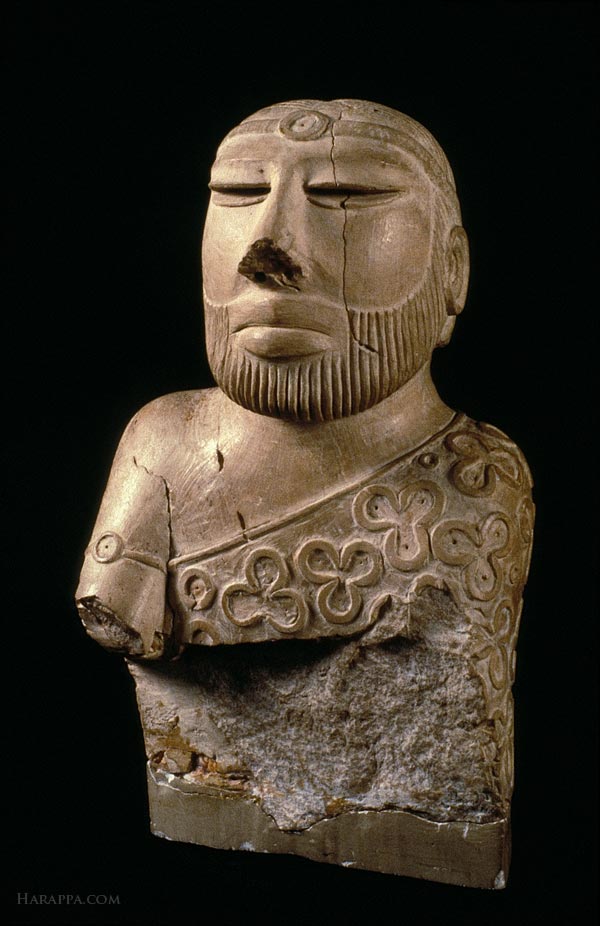
But the Indus Valley did not do that. Instead, all we have found are a few tiny stone sculptures. The two most famous ones are the little "Bearded Priest-King" from Mohenjo-daro and the "Male Torso" found at Harappa.
Because we still cannot read their written script, these small statues are the best clues we have to guess who held power. Right now, experts generally lean toward three main ideas:
Theory 1: It was ruled by Priests (The "Priest-King" Model)
Early on, some archaeologists thought the Indus Valley was a highly religious society run by powerful priests. Their main clue for this is the small statue of the Bearded Priest-King because it has a few specific details that stand out.
For one, he is wearing a shawl over his left shoulder that is covered in a distinct three-leaf pattern. In other ancient cultures around the world, this exact design was always tied to gods or important rulers.
On top of that, his eyes are half-closed and aimed straight down at the tip of his nose, which looks exactly like someone in deep meditation.
Finally, he is wearing a formal headband with a round ornament right in the middle, along with a matching armband. To historians, these look less like everyday decorations and more like special symbols worn only by a high-ranking religious leader.
Theory 2: It was run by Wealthy Merchants (The Corporate Model)
Many modern historians actually lean toward a different idea. They look at how the entire civilisation was built around international trade, perfectly planned cities, and standard weights, and they argue that a group of wealthy merchants likely ran things instead of a single religious king.
The biggest hint supporting this is actually how small the statues are. For example, the Priest-King is only about 17.5 centimetres tall. Logically, if they had an all-powerful king ruling over them, we would be finding massive monuments built to celebrate his power.
Because these figures are so tiny, it makes much more sense that they were just private family icons. Rich trading families probably kept them inside their large brick homes to show off their local wealth and influence.
Theory 3: There was no single ruler (The Multi-State Model)
![Male torso, Red Jasper, Harappan, 2500 BCE. National Museum, New Delhi, India.[500×822] : r/ArtefactPorn](https://i.redd.it/kmzqmvn1lby61.jpg)
Source: Reddit
Another interesting idea is that there was never a single capital city or one central ruler. Instead, the Indus Valley might have been a collection of independent city-states, like Harappa, Mohenjo-daro, and Lothal. These cities shared the same overall culture and lifestyle, but each one likely had its own local leaders.
We get a big hint about this from the artwork, which changes completely depending on where you look. For instance, Mohenjo-daro gave us the Priest-King, who is very stiff, formal, and heavily dressed. But if you look at Harappa, they found the male torso, which is entirely different.
It is completely nude, highly realistic, and beautifully captures the shape of human muscles. This huge difference in style makes it look like each city had its own unique way of thinking about art and perhaps even its own ways of running things.
A Quick Guide to the Two Masterpieces
To score well in your exam, you need to know how these two main statutes stack up against each other:
| Feature | The Bearded 'Priest-King' (Mohenjo-daro) | The Male Torso (Harappa) |
| Material Used | Steatite (Soft Soapstone) | Red Sandstone (Hard Stone) |
| Art Style | Very formal, stiff, and geometric. | Super realistic and smooth, showing natural body curves. |
| Key Details | Perfectly trimmed beard, shaved upper lip, and ears shaped like tiny shells. | Clear abdominal muscles and a realistic, slightly soft belly. |
| The Engineering | Covered in a special paste that turned white and glassy when baked. | Has deep socket holes drilled into the neck and shoulders to plug in a movable head and arms. |
UPSC Exam Takeaway
When writing your conclusion, try not to pick just one theory. Most modern historians agree that the Indus Valley was a very fair, balanced society where power was shared among different groups. Instead of calling the Priest-King an absolute monarch, it is safer to describe him as a symbol of the wealthy, educated elite who managed the incredible logistics of these peaceful cities.
What Secrets Do the Clay Terracotta Toys and Mother Goddess Figurines Reveal?
While high-end stone and bronze statues show us what the wealthy upper class cared about, everyday clay items tell the real story of the average person in the Indus Valley.
Archaeologists have dug up these small terracotta pieces in nearly every home they found, ranging from large brick mansions to the smallest huts.
Because mud from the riverbanks was free, easy to find, and simple to mould, it became the perfect everyday material for anyone to use.
Paying close attention to these simple clay objects is essential because they give us a genuine look into how families lived, how they raised their children, and what they actually believed.
1. The Mother Goddess Figurines
Source: Harappa
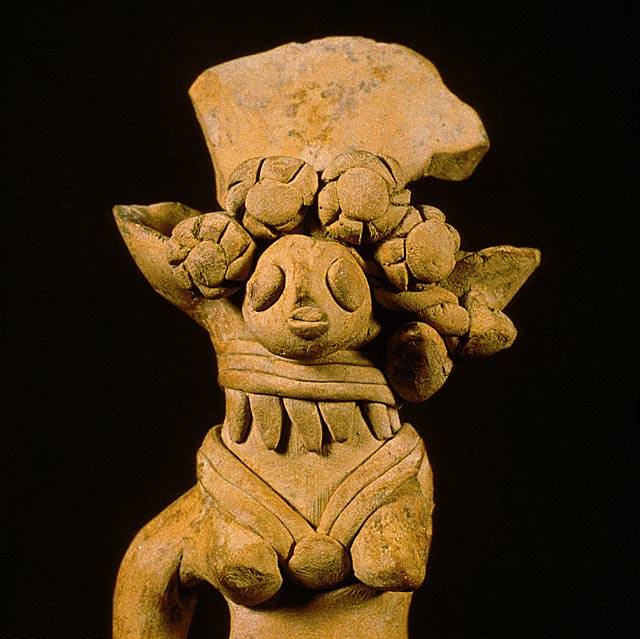
The most well-known clay items from this era are the highly decorated female figures that experts call Mother Goddesses. These little statues have a very distinct look that points to a deep focus on nature and fertility.
For instance, they all feature a massive, fan-shaped hat framing the face. Interestingly, some of these headpieces have tiny, cup-like bowls on the sides that still carry black burn marks. This tells us that people likely used them as small lamps or incense burners for private prayers right inside their homes.
When it came to making them, the artists did not use fancy liquid moulds as they did for bronze. Instead, everything was done by hand. An artist would simply pinch a piece of wet river mud to form the body, then roll out tiny strips and balls of clay to press onto the face and torso, creating the eyes, a prominent nose, and layers of thick necklaces.
Because archaeologists have found thousands of these female figures scattered across major cities like Mohenjo-daro, it is clear that celebrating fertility was a massive part of daily life. This heavily implies that the civilisation held a deep respect for women, motherhood, and agriculture.
In fact, many historians believe their entire society might have been matriarchal, meaning family lines and community life centred mostly around women and mothers.
2. Terracotta Toys and Playful Engineering
Source: Headstreams
Children in the Indus Valley did not just play with static blocks. The clay toys discovered by archaeologists show that parents put a lot of thought into keeping their kids entertained, using some genuinely clever engineering.
These objects give us a rare look at the fun, lighter side of an ancient culture that was normally very strict and organised.
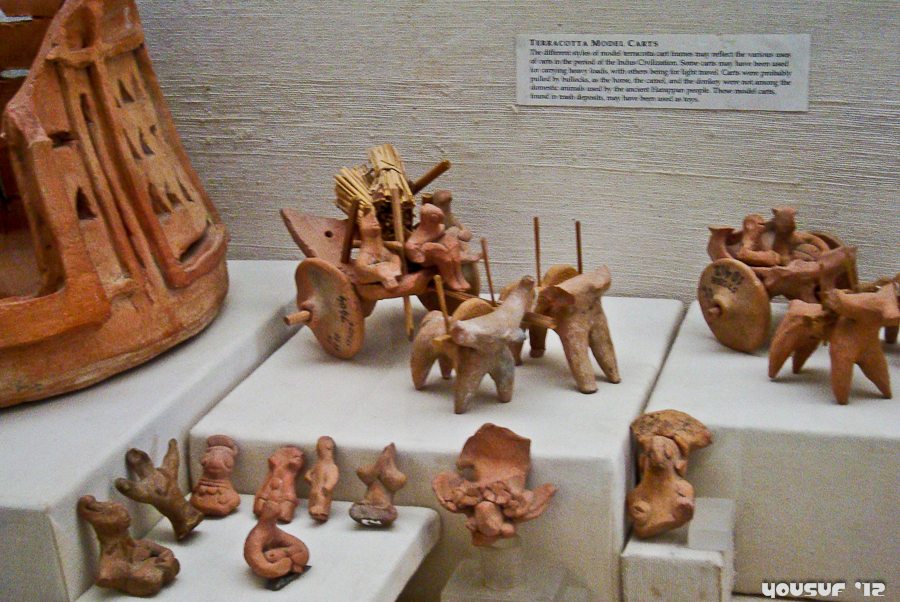
For example, craftsmen would drill tiny holes through the clay figures so people could run strings or small wooden sticks through them. This allowed them to make things like little climbing monkeys that slid up and down a cord and toy bulls with loose heads that would bobble around when pulled.
They also made tiny clay frames and solid wheels that look exactly like the real wooden bullock carts still used in rural parts of India today, showing that kids were exposed to transportation technology early on.
To add to the fun, homes back then were likely filled with the exact same sounds of childhood play we hear nowadays. Archaeologists have found small clay rattles filled with tiny pebbles and whistles shaped like birds that make a sharp sound when you blow into the tail.
3. Animals and the Local Environment
Because terracotta was the medium of the average person, the animal statues tell us exactly which creatures lived alongside the Harappans and helped run their economy.
| Animal Statue | What It Revealed About Harappan Life |
| The Humped Zebu Bull | These were sculpted carefully with big, realistic humps and wide horns. It was the most popular animal figure by far, showing how vital these bulls were for ploughing fields and as religious symbols. |
| Rhinos, Elephants, and Monkeys | Artists made tonnes of these jungle animals out of clay. Their presence proves that the climate 4,500 years ago was completely different from the dry desert it is today. Back then, the region was humid, swampy, and covered in thick forests. |
| Dogs and Cats | Finding clay dogs wearing collars shows people kept them as pets for hunting and protection. Archaeologists even found old pottery with cat paw prints right next to mouse tracks, giving us a highly relatable look at ancient home life. |
Exam Takeaway
When you are writing an essay or an answer on Harappan culture, use terracotta as your main point to prove how fair and deeply human their society was. While other ancient cultures like Egypt spent all their wealth and energy building giant stone monuments for dead kings, the Harappans focused their creativity on making practical, everyday items for the living.
How Do Indus Valley Sculptures Still Influence Indian Art Today?
The ultimate test of any ancient culture is whether its ideas actually survived or just died out with its buildings. Even though cities like Harappa and Mohenjo-daro collapsed thousands of years ago, their artistic style never truly vanished.
Instead, it quietly became part of everyday Indian culture. Tracing this unbroken connection across thousands of years is essential because it shows that Indus Valley art was not a historic dead end. It actually laid the foundation for Indian art as we know it today.
Note: When writing your exam conclusion, you can describe this legacy as "evolution without erasure". The Harappans never disappeared; their skills and traditions simply adapted over the centuries to form the root of modern Indian identity.

Kriti Barua is a skilled content writer with 4+ years of experience in creating clear, engaging, and informative content. She began her writing journey as a Creative Writer Intern at Wordloom Ventures. She holds a BA degree from Delhi University and has completed a one-year diploma in TV Production and Journalism, which adds depth to her research and reporting style.
Kriti has worked across brand writing, marketing content, and digital media, building strong expertise in articles that connect with readers and perform well online. At Jagran New Media, she writes for the GK section, covering national news, international stories, and query-based articles that answer what people actively search for. Her work focuses on easy language, reliable information, strong keywords, and reader-friendly storytelling, making her content both helpful and search-friendly.


