Indian Classical Dances and Their States: Complete List
Learn about the classical dances of India and the states they belong to. Explore their history, features, significance and interesting facts.
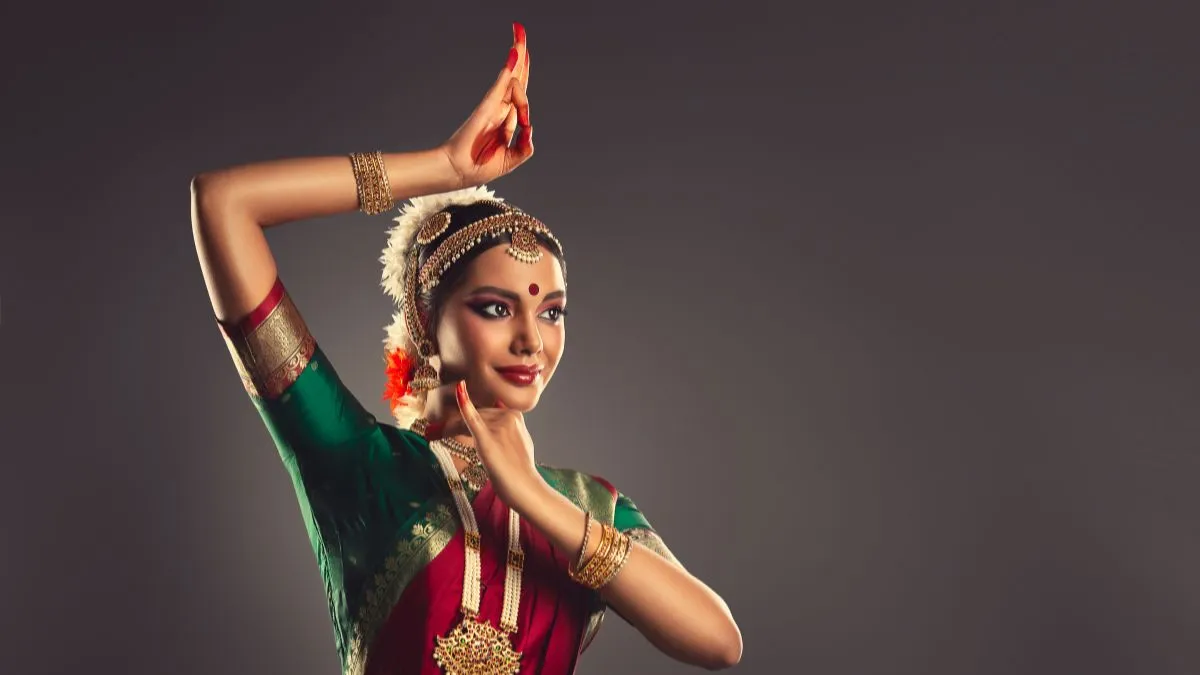
India is famous for its rich cultural heritage and classical dance forms are one of its most treasured artistic traditions. The dance forms are interesting due to a combination of music, storytelling, expressions, costumes and rhythm. Most of the classical dances have their origin in ancient temples and royal courts and are closely linked to religion, mythology and local traditions.
Classical dances are not merely a form of entertainment but a means of preserving India’s history, literature and spiritual teachings. These dance forms have been recognised by the Government of India and continue to inspire people all over the world and remain an important part of the country’s cultural identity.
What Are Classical Dances?
Classical dances are highly structured dance forms based on principles laid down in ancient texts like Natya Shastra. They include specific body movements, hand gestures known as mudras, facial expressions known as abhinaya, and rhythmic footwork. Classical dances differ from folk dances which require only a few months of training and discipline. These dances often depict stories from Ramayana, Mahabharata, Puranas and other literary works. Dance is a means for performers to express emotion, tell stories, and convey spiritual messages to their audiences.
How Many Classical Dances Are There in India?
India has eight classical dance forms recognised officially:
| Classical Dance Form | State of Origin |
|---|---|
| Bharatanatyam | Tamil Nadu |
| Kathak | Uttar Pradesh |
| Kathakali | Kerala |
| Mohiniyattam | Kerala |
| Kuchipudi | Andhra Pradesh |
| Odissi | Odisha |
| Manipuri | Manipur |
| Sattriya | Assam |
Each dance form reflects the traditions, history and artistic style of its region.
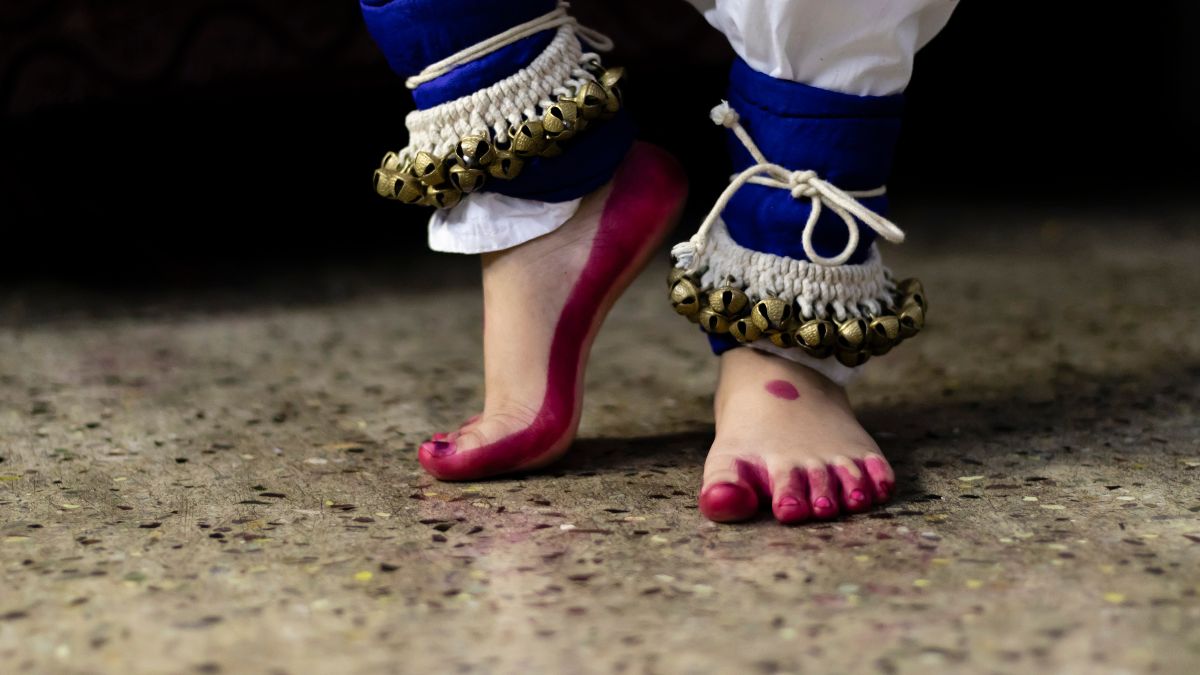
Bharatanatyam – Tamil Nadu
Bharatanatyam is one of the classical dance forms of India that originated from Tamil Nadu. Historically, it was performed in temples as a form of worship for Hindu deities. Famous for its geometric poses, jerky movements, dramatic expressions and complex footwork.
Performers wear colourful silk costumes, traditional jewelry and ankle bells known as ghungroos. Bharatanatyam often portrays stories of Lord Shiva, Lord Krishna, and other deities. Today, it is one of the most widely performed Indian classical dances and has gained popularity across the globe.
Kathak – Uttar Pradesh
Kathak originated in north India, particularly in Uttar Pradesh. The word “Kathak” is derived from Sanskrit word Katha which means story. Early performers of Kathak were storytellers who told mythological stories through dance and expressions.
The dance consists of elegant spins, rhythmic footwork, and expressive facial expressions. In the Mughal period, Kathak developed further under the influence of Persian culture, giving rise to refined movements and graceful costumes. Kathak is still one of the most popular classical dances of India and is widely performed at cultural festival and on stage.
Kathakali – Kerala
Kathakali is one of the most visually stunning dance forms of India. It is a famous dance form of Kerala, known for its elaborate costuming, dramatic make-up and powerful story telling. Most of the performances portray scenes from the Ramayana, Mahabharata and other Hindu epics.
One of the hallmark features of Kathakali is elaborate facial makeup, which can take several hours to apply. The colours and designs are different to signify the different character types such as heroes, villains, gods and demons. Performers learn in special classes over years the intricate facial and eye movements, distinctive to Kathakali.
Mohiniyattam – Kerala
Mohiniyattam is another classical dance of Kerala and is known for its graceful, feminine movements. The dance is named after Lord Vishnu’s female form ‘Mohini’ in Hindu mythology.
Mohiniyattam is a dance about fluidity of the body, soft expressions, emotional narrative. It is traditionally performed by women and often deals with themes of devotion, love and spirituality. The dancers wear elegant white and gold costumes that reflect the cultural traditions of Kerala.
Kuchipudi – Andhra Pradesh
Kuchipudi originated in Andhra Pradesh and is named after the village of Kuchipudi where the dance first developed. It combines dance, music and theatrical storytelling, making it one of India’s most dynamic classical dance forms.
Kuchipudi is known for its energetic footwork, dramatic stories and expressive acting. One of the most famous elements is a brass plate on which dancers perform, keeping rhythm and balance. The dance often narrates stories from Hindu mythology and devotional literature.
Odissi – Odisha
Odissi is one of the oldest existing dance traditions of India, rooted in Odisha. This dance style features graceful movements, sculptural poses, and lyrical storytelling.
Many of the poses in Odissi dance come from ancient temple sculptures across Odisha. The dance generally represents stories of Lord Krishna, Radha and other characters from Hindu mythology. Its flowing movements and expressive gestures make it one of the most graceful of the classical dance styles of India.
Manipuri – Manipur
Manipuri is an art form native to the north-eastern state of Manipur and is closely linked to Vaishnav traditions. Unlike some other classical dance forms, Manipuri focuses on soft, flowing movements instead of dramatic expressions.
The dance is often based on episodes from the life of Lord Krishna, especially the Ras Leela tradition. The dancers’ costumes are beautifully designed and add to the visual charm of the performances. Manipuri has a reputation for its spiritual content and elegant presentation.
Sattriya – Assam
Sattriya originated in the Vaishnav monasteries of Assam known as Satras. The dance form was originally performed by monks as part of religious worship and storytelling, created by the saint-scholar Srimanta Sankardeva.
For centuries Sattriya was confined to monasteries before gaining wider recognition. It was officially declared as a classical dance form of India in 2000. Today it is performed by both men and women and it has been able to retain the rich cultural heritage of Assam.
Criteria for Recognition of a Classical Dance Form in India
-
Textual Basis
The dance form should be rooted in ancient texts such as the Natyashastra or other classical treatises. These texts provide the theoretical framework for technique, aesthetics, and performance. -
Three Essential Components
It must include Nritta (pure dance), Nritya (expressive dance), and Natya (dramatic representation). Together, these elements ensure both technical excellence and storytelling ability. -
Rasa and Bhava
The dance should effectively communicate emotions (bhava) and evoke aesthetic experiences (rasa) in the audience. This emotional connection is a hallmark of classical performance. -
Lasya and Tandava
It should incorporate both the graceful and gentle aspects of movement (Lasya) and the energetic and powerful aspects (Tandava). The balance between the two enriches the artistic expression. -
Codified Technique
The dance form must follow a well-defined system of postures, footwork, body movements, and gestures. Such codification ensures uniformity and preservation across generations. -
Abhinaya
A structured method of expression through facial expressions, eye movements, hand gestures (mudras), and body language is essential. Abhinaya enables performers to convey emotions and narratives effectively. -
Guru–Shishya Tradition
The art should be transmitted through a recognized teacher-disciple lineage. This traditional mode of learning helps preserve authenticity and continuity. -
Spiritual and Cultural Themes
Themes are generally derived from mythology, epics, religious stories, and philosophical ideas. This gives the dance form cultural depth and spiritual significance. -
Regional Identity
Each classical dance form reflects the cultural heritage of its region through its music, costume, makeup, language, and accompanying instruments. This distinctiveness contributes to India's cultural diversity. -
Historical Continuity
The dance form should have a long and continuous history of practice and development. Its survival over centuries demonstrates its cultural importance and resilience. -
Official Recognition
Recognition by institutions such as the Sangeet Natak Akademi is an important indicator of classical status. Such recognition validates its artistic, historical, and cultural significance.
Importance of Classical Dances in Indian Culture
Classical dance forms are an important part of the cultural and artistic heritage of India. They are living traditions that connect modern generations to ancient history, literature and spirituality.
Narratives from epics and holy books are inherited by generational dance. These art forms also help to promote regional languages, music traditions and cultural identities. Moreover, classical dance performances keep drawing audiences all over the world adding to India’s global cultural influence.
Classical Dances: Costumes and Make-up
Costumes and makeup are an integral part of a classical dance performance. Each kind of dance has its own costumes and dresses which portray the area or region it belongs to. Bharatanatyam dancers wear pleated silk costumes and temple jewellery. The Kathak dancers wear flowing dresses based on Mughal costumes. Kathakali artists are known for their elaborate make-up and colourful costumes. Mohiniyattam dancers dress in elegant white and gold sarees while Manipuri dancers are known for their distinctive cylindrical skirts. These visual elements are used to tell a story and help audiences identify different characters and emotions.
Interesting Facts About Indian Classical Dances
India Has Eight Official Classical Dance Forms
The Government of India has identified Bharatanatyam, Kathak, Kathakali, Mohiniyattam, Kuchipudi, Odissi, Manipuri and Sattriya as classical dances.
Bharatanatyam Is One of the World’s Oldest Dance Traditions
Historians say Bharatanatyam is one of the oldest surviving forms of dance with its origins going back more than 2,000 years.
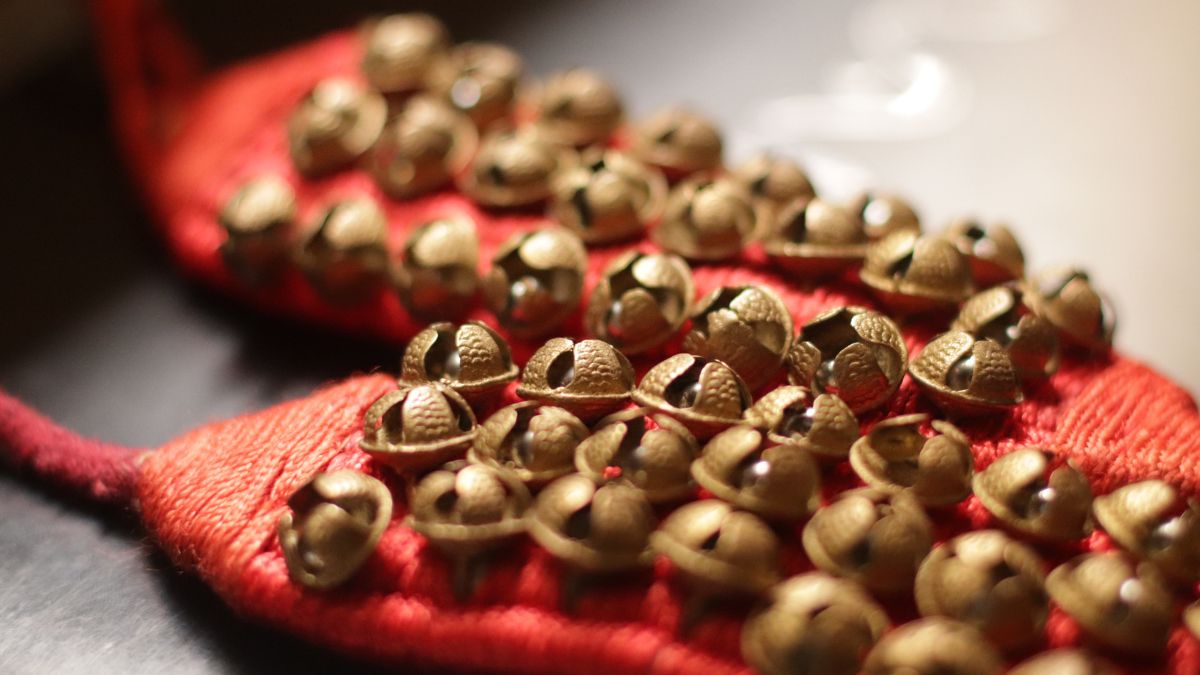
Kathak Dancers Wear Hundreds of Ghungroos
Kathak dancers wear ankle bells which create rhythmic sounds that contribute to the musical experience of performances.
Kathakali Makeup Takes Hours
Artists take three or four hours to put on make-up before a performance, transforming into mythological characters.
Classical Dances Are Taught Worldwide
Today Indian classical dances are performed and taught in many countries, thus spreading Indian culture all around the world.
Jasreet Kaur is a journalist with 3+ years of experience. Driven and committed, she writes on Trending News, covering both National and International topics. She has previously worked with Zee News as a content writer. Fueled by a desire to see positive growth in organizations, society, and the world.

-1780597711899.jpg)

-1780595991955_t.webp)