Show Key Points
Samosa is one of the most popular snacks in India and many other parts of the world. Known for its crispy outer layer and flavorful filling, this triangular pastry is commonly served with chutneys and enjoyed as a tea-time snack. Although it is strongly associated with Indian cuisine today, the samosa actually has a long history that traces back to regions outside India. Over centuries, the snack evolved in taste and preparation, eventually becoming a beloved street food across the Indian subcontinent and a symbol of Indian snack culture.
What Is a Samosa?
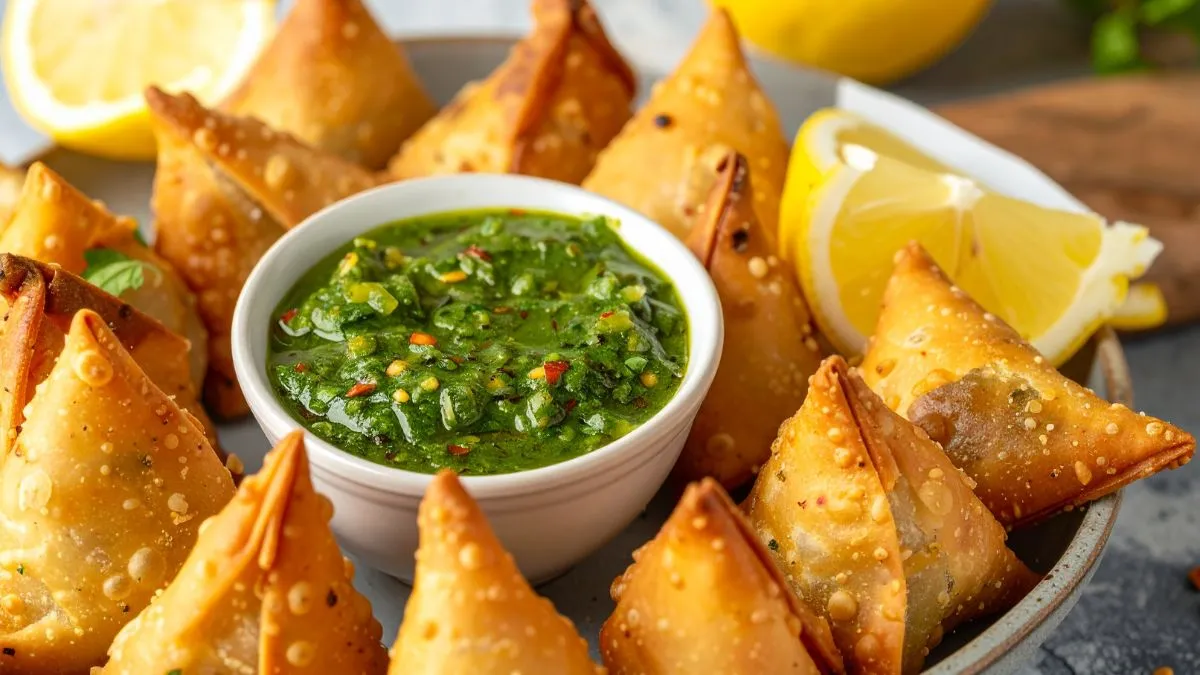
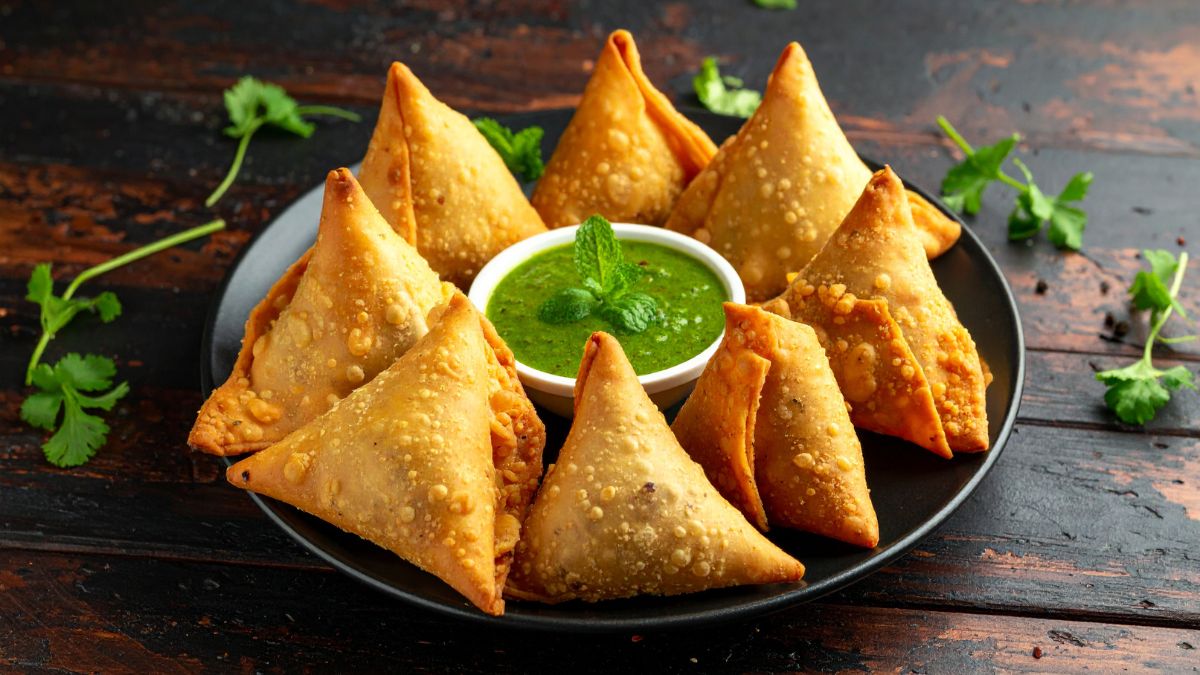
A samosa is a deep-fried pastry filled with a savoury mixture of ingredients such as potatoes, peas, onions, and spices. The filling is wrapped inside a thin dough shaped into a triangular pocket and then fried until golden and crispy. Samosas are usually served hot with tamarind chutney, mint chutney, or tomato sauce. They are commonly eaten as a snack, appetiser, or tea-time treat in many households and restaurants.
Origin of Samosa
The samosa is believed to have originated in the Middle East and Central Asia many centuries ago. Early versions of the dish were called “sambosa” or “sanbosag,” which were small pastries filled with meat, nuts, and spices. These snacks were popular among traders and travelers because they were easy to carry and could stay fresh for longer periods during long journeys.
How Samosa Came to India?
Samosas were introduced to the Indian subcontinent by traders and travelers from Central Asia and the Middle East during the medieval period. Historical records suggest that the snack was already known in India by the 13th or 14th century. Over time, Indian cooks adapted the recipe by using local spices and ingredients, especially potatoes and peas, which later became the most common filling.
Why Samosa Became Popular in India?
Samosas became popular in India because they are affordable, flavorful, and easy to prepare in large quantities. Street vendors and small eateries began selling them in markets, railway stations, and roadside stalls. The combination of crispy pastry and spicy filling made the snack extremely appealing to people across different regions and social groups.
Ingredients Used in Samosa
Traditional samosas are made using refined flour dough for the outer covering and a filling made with boiled potatoes, green peas, onions, and spices such as cumin, coriander, turmeric, and garam masala. Some variations also include paneer, lentils, or minced meat depending on regional preferences. The samosas are deep-fried until crispy and served hot with different chutneys.
Why Samosa Became a Popular Street Food?
Samosa became one of the most famous street foods because it is inexpensive, filling, and easy to cook quickly. Vendors can prepare large batches and serve them fresh throughout the day. The snack pairs perfectly with tea or coffee, making it a favorite evening snack for many people.
Different Types of Samosas
Although the classic samosa contains a potato filling, many variations exist across different regions. Some versions include spicy minced meat, paneer, lentils, or vegetables. In some countries, smaller samosas are served as appetisers, while larger versions are enjoyed as a complete snack. Sweet samosas filled with coconut or dry fruits are also popular in certain regions.
-1773657383729.jpg)
Interesting Facts About Samosa
Samosa Has a Long International History
The samosa existed in Central Asia and the Middle East long before it became popular in India. Historical texts from the medieval period mention similar pastries served in royal courts and among travelers.
Potatoes Were Not in the Original Recipe
Early samosas were filled with meat, onions, and nuts rather than potatoes. The potato filling became common in India only after potatoes were introduced to the region by European traders.
Popular Across Many Countries
Today samosas are enjoyed not only in India but also in Pakistan, Bangladesh, Nepal and several African and Middle Eastern countries. Each region has its own variation with slightly different ingredients and spices.
Often Served With Chutneys
Traditional Indian samosas are usually served with tamarind chutney, mint chutney or spicy sauces. These chutneys enhance the flavor by adding tangy and spicy tastes to the crispy snack.
One of the Most Famous Indian Street Foods
Samosas are widely sold at street stalls, cafes, restaurants and even international food chains. Because of their popularity, they are often considered one of the most iconic snacks of Indian cuisine.
Read more: History of Chole Bhature
The samosa originated in the Middle East and Central Asia and later arrived in India through traders and travelers.



Comments
All Comments (0)
Join the conversation