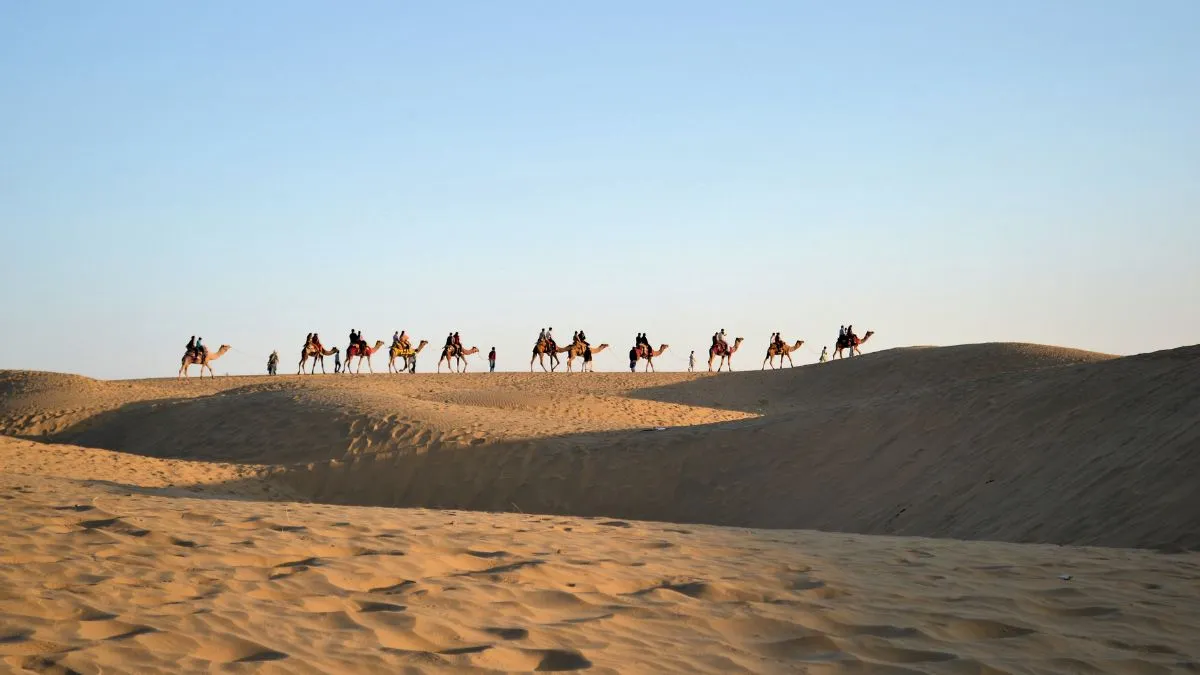
Highest Desert in the World: The Tibetan Plateau Desert is the highest desert in the world because it sits at an average elevation of more than 4,500 metres above sea level and covers a huge part of the Tibetan Plateau in China, making it the world’s largest and highest cold desert shaped entirely by altitude, dry winds, and the Himalayan rain-shadow effect.
Which Is the Highest Desert in the World?
The Tibetan Desert is known for its extreme elevation, as most areas lie above 4,500 metres, and some regions rise even higher, making it unmatched in altitude compared to any other desert on Earth.
Where the Highest Desert Located on the Map?
This desert is located across the Tibet Autonomous Region in China and extends across western and northern parts of the plateau, forming a massive high-altitude zone bordered by the Himalayas, Kunlun Mountains, and Transhimalaya ranges.
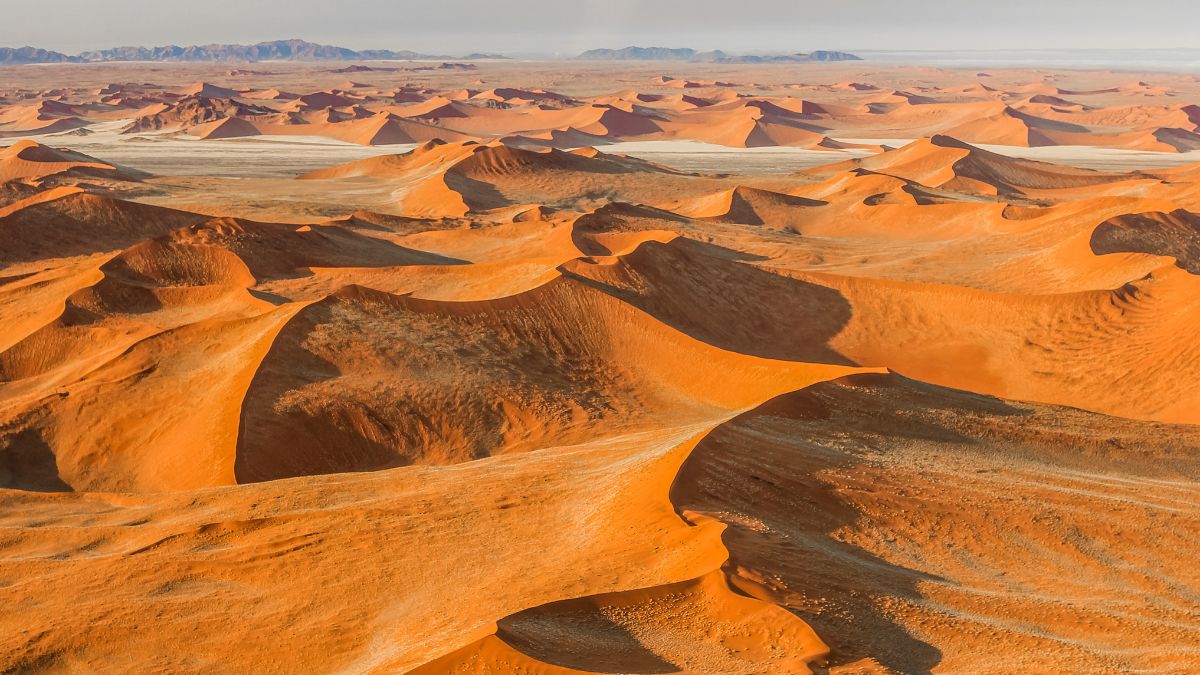
Why Is the Tibetan Plateau Classified as a Cold Desert?
It is considered a cold desert because the region receives very little rainfall due to the Himalayas blocking moisture-laden winds, resulting in dry air, extremely low precipitation, harsh temperatures, and minimal vegetation typical of desert ecosystems.
Temperature in the Tibetan Desert
The climate remains cold throughout the year with freezing temperatures in winter, strong winds, low humidity, high UV radiation, and very thin air caused by altitude, which together create one of the world’s most extreme environments.
Geographical Features of the World’s Highest Desert
The Tibetan Desert contains vast plateaus, dry valleys, salt flats, mineral-rich lakes, high mountain ridges, and wide barren plains formed by tectonic uplift, making it a dramatic and scientifically significant landscape.
Altitude and Oxygen Levels in the Tibetan Plateau
Being over 4,000 metres high means the desert has very low oxygen levels, which affects human habitation, wildlife behaviour, and climate patterns, making survival difficult without adaptation.
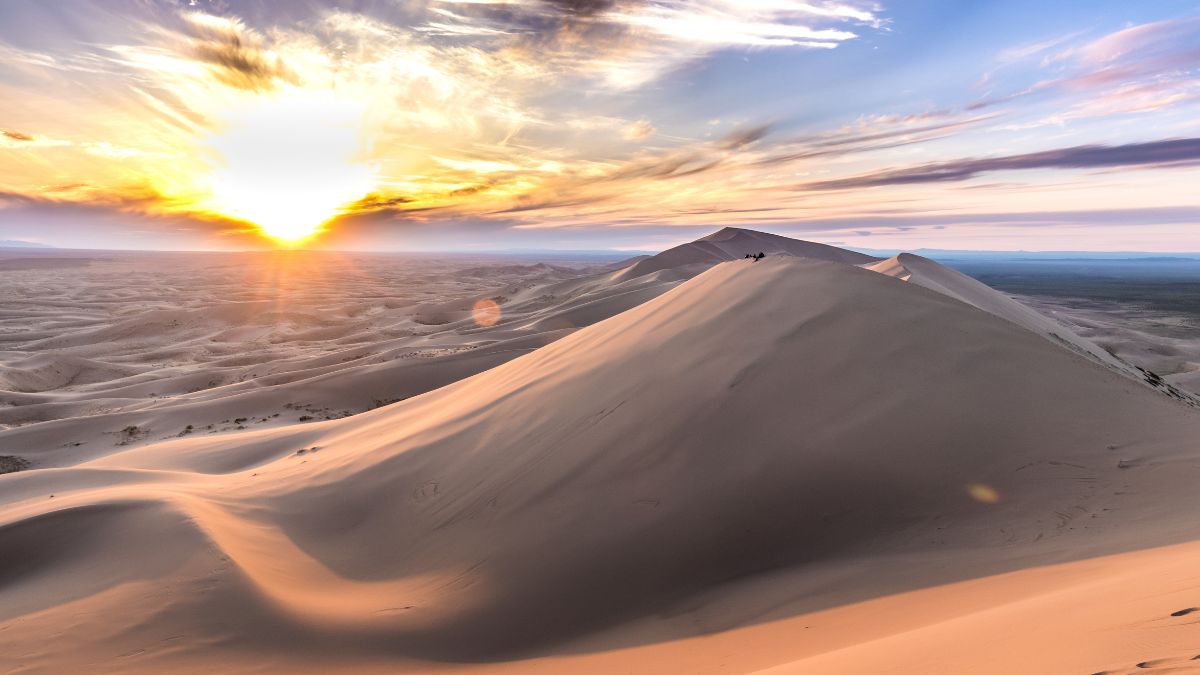
Rainfall and Rain-Shadow Effect of the Himalayas
The Himalayas block monsoon winds and create a strong rain-shadow zone across the plateau, making rainfall extremely rare and turning the region into one of the driest high-altitude deserts on Earth.
Interesting Facts About the Highest Desert
Highest and Largest High-Altitude Desert Region
The Tibetan Desert is the only desert on Earth located entirely above 4,000 metres and forming part of the world’s largest high-altitude plateau, giving it unmatched geographical uniqueness.
Cold Desert Influenced by Mountain Barriers
Its desert conditions are created not by heat but by the Himalayas blocking moisture, producing extremely dry air, low rainfall, and cold winds that shape the plateau into a massive cold desert.
Roof of the World
The Tibetan Plateau is called the Roof of the World because of its enormous elevation, and the Tibetan Desert forms a major part of this vast upland surface stretching thousands of kilometres.
Major Influence on Asian Climate Systems
The high altitude of the Tibetan Plateau affects Asian monsoons, temperature flow, wind movements, and jet streams, making the desert region a key factor in shaping weather patterns across multiple countries.
Home to Rare High-Altitude Lakes
This desert contains famous lakes like Namtso, Pangong Tso, and Yamdrok, which remain cold and mineral-rich and are surrounded by lifeless plains and rocky terrain unique to extreme elevation zones.
Read more: Which Desert Is Known as the Cold Desert?
The Tibetan Plateau Desert is the highest desert in the world because it lies at extremely high elevations above 4,500 metres, experiences low rainfall due to the Himalayan rain-shadow, and has a cold, dry climate shaped by altitude. Keep reading for more topics like this.

-1765278168963.jpg "Christmas Countdown 2025: How Many Weeks & Days until Christmas?")




Comments
All Comments (0)
Join the conversation