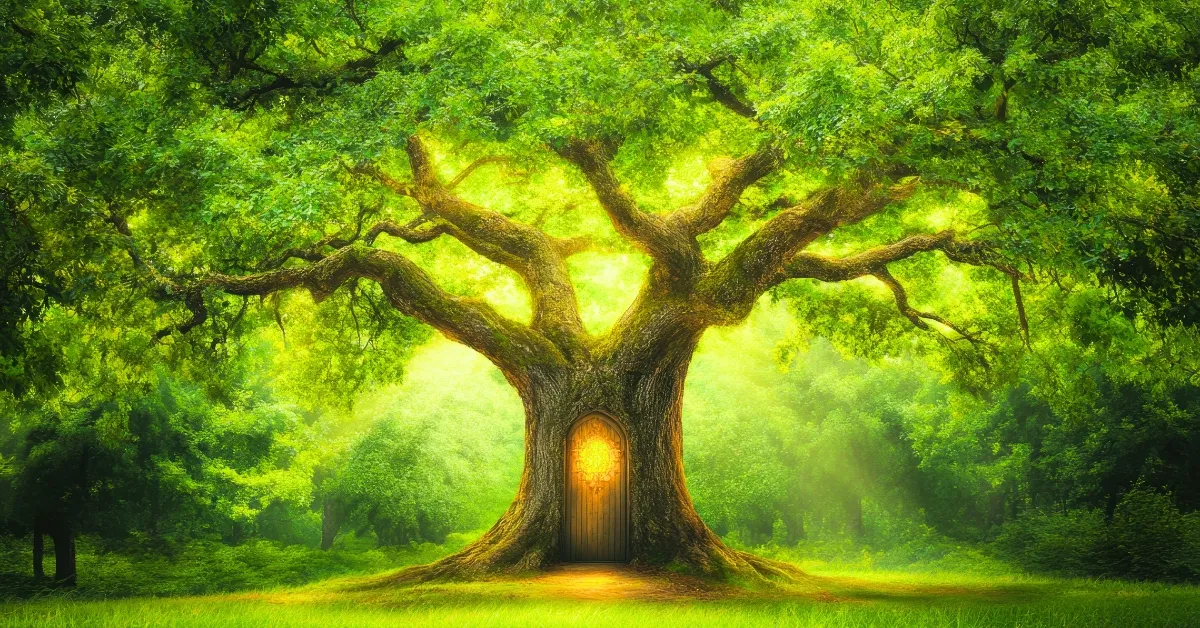
Did you know there are over 3 trillion trees in the world right now? That's a massive number! Trees are not just pretty; they are the lungs of our planet and come in a fantastic variety. Think of the Mighty Oak with its strong wood or the Sentry Pine standing tall in the mountains. There are thousands of tree species, from giant Redwoods, the tallest in the world, to tiny, delicate Japanese Maples. One incredible fact is that a single large tree can release enough oxygen back into the air for four people to breathe for a day. But among all these amazing trees, one holds a very special place in history. Do you know which tree is called the Bodhi Tree? It's a species known for its strong, widespread roots and its beautiful, heart-shaped leaves. In this article, we'll take a closer look at this sacred tree and why it's so important.
Which Tree is known as the Bodhi Tree?

That sacred tree is the Sacred Fig, or, most commonly, the Peepal Tree. Its scientific name is Ficus religiosa. This tree is native to the Indian subcontinent, including India, Nepal, and Sri Lanka, where it is widely found near temples and villages. It earned the name Bodhi Tree because Siddhartha Gautama, the founder of Buddhism, sat beneath it in Bodh Gaya, India, and achieved Bodhi, or enlightenment. Known for its distinct heart-shaped leaves and ability to live for centuries, it is revered in Hinduism, Buddhism, and Jainism as the 'Tree of Awakening' and a symbol of knowledge.
10 Lesser-known Facts about Ficus religiosa`

- Unlike most trees, it is one of the few species known to release oxygen even at night, through a process called CAM photosynthesis.
- It has a highly specialised mutualistic relationship; it can only be pollinated by a tiny, specific insect called the fig wasp (Blastophaga quadriceps).
- It often begins its life as an epiphyte (growing on another tree or structure) and later may strangulate its host to reach sunlight.
- It has an extensive root system, allowing it to thrive even in dry or shallow soils and on walls or rock crevices.
- The tree is famous for its long lifespan, often living for 900 to 1,500 years under good conditions.
- The long, slender leaf stalks (petioles) cause the heart-shaped leaves to flutter and tremble constantly, creating a distinct, rustling sound.
- Its bark, fruits, and leaves contain various chemical compounds (such as flavonoids and phenols) and are studied for their potential anti-diabetic and anti-inflammatory properties.
- Its fruit is not an actual fruit but a hollow, enclosed structure called a syconium that holds hundreds of minute flowers inside.
- The wood is soft and not used for building, but its bark is traditionally used to make paper, tan leather, and dye cloth.
- The Jaya Sri Maha Bodhi tree in Sri Lanka, a clone of the original, is the oldest living human-planted tree in the world with a known date of planting (288 BCE).
Conclusion
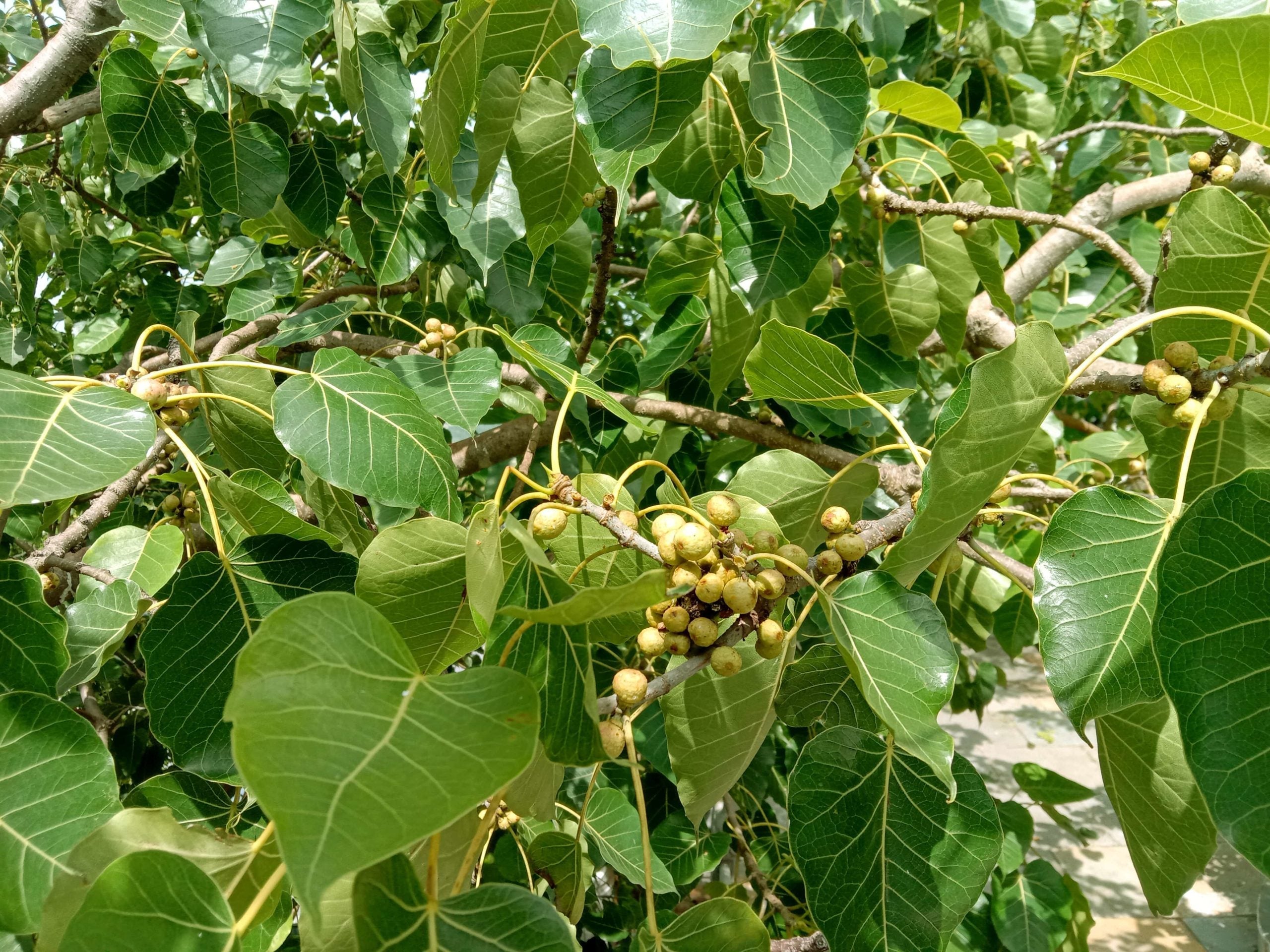
In conclusion, the tree known as the Bodhi Tree is botanically the Ficus religiosa, or Peepal tree. Its fame rests on the profound spiritual event of the Buddha's enlightenment, yet its scientific and ecological importance is equally remarkable. From its unique, continuous oxygen production to its ancient, specialised pollination process, the Bodhi Tree is a biological marvel. It stands as a powerful symbol where nature, history, and science beautifully intersect, making it truly the "Sacred Fig" of the world.




-1765472670992.jpg)

Comments
All Comments (0)
Join the conversation