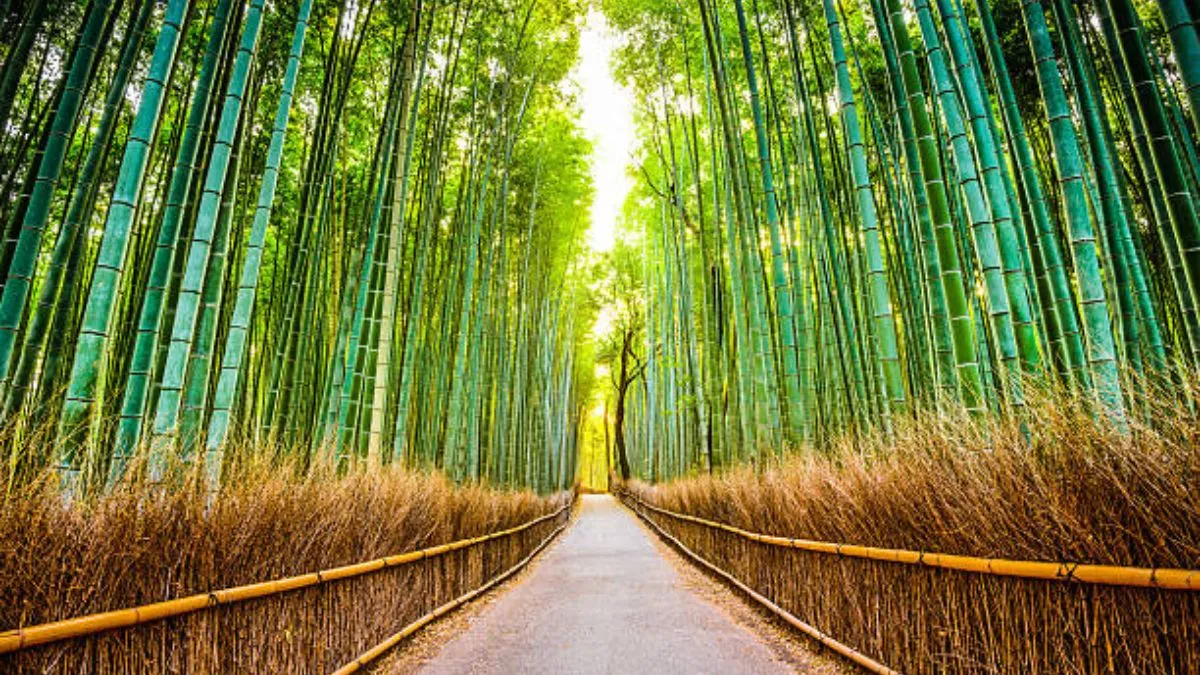
City of Bamboo: Banswara is known as the City of Bamboo because the region historically had abundant bamboo forests, and bamboo has played an important role in local livelihood, craftsmanship, traditional housing materials, rural industries, and cultural practices in the Banswara district of Rajasthan.
Why Is Banswara Called the City of Bamboo?
Banswara is called the City of Bamboo because the name of the city itself is derived from the word “Bans”, meaning bamboo. The area was once densely covered with bamboo plantations, and the communities in and around Banswara traditionally used bamboo for tools, household items, crafts, fencing, storage structures, and rural construction activities.
Origin of the Name Banswara
The name Banswara originated from the combination of the words “Bans” (bamboo) and “Wara” (land or region), meaning “Land of Bamboo”. The city and district received this name because of the large presence of natural bamboo groves in earlier times and the dependence of local communities on bamboo-based resources.
Geographical Location of Banswara
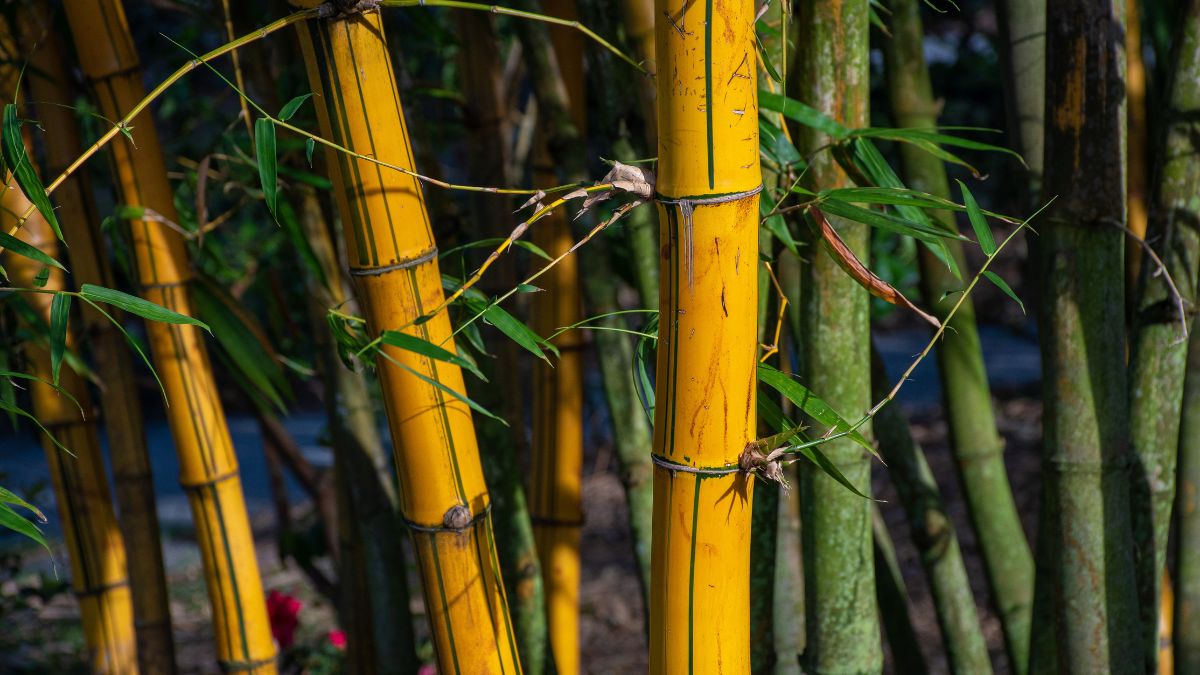
Banswara is located in the southern part of Rajasthan, near the borders of Madhya Pradesh and Gujarat. It is part of a tribal-dominated region with hilly terrain, forested areas, and rural settlements where bamboo and forest-based livelihoods have traditionally supported local economic activities.
Bamboo as a Traditional Rural Resource
In Banswara, bamboo has been used for rural housing frames, storage baskets, agricultural tools, fencing structures, hand-crafted household products, and traditional tribal craftwork. It continues to hold cultural value in local customs, festive rituals, and community practices.
Largest Bamboo-Producing Regions in India
The North-Eastern states of India, including Assam, Mizoram, Meghalaya, Arunachal Pradesh, and Tripura are among the largest bamboo-producing regions in the country due to extensive forest cover and favourable climatic conditions that support natural bamboo growth.
Largest Bamboo Producer in India
Assam is considered one of the leading bamboo-producing states in India because of its large bamboo forest area, species diversity, and strong bamboo-based cottage industries and rural livelihoods.
Largest Bamboo Producer in the World
India and China are among the largest bamboo producers in the world, with significant bamboo forest reserves, traditional bamboo industries, and growing bamboo-based manufacturing, handicrafts, and eco–material sectors supporting domestic and export markets.
Economic Importance of Bamboo
Bamboo supports small-scale craft production, village-based artisan activities, cottage industries, and household-level utility manufacturing in Banswara. It contributes to rural employment, traditional skill preservation, and sustainable livelihood opportunities for tribal and local communities.
Interesting Facts About Banswara
Name Derived From Bamboo Forests
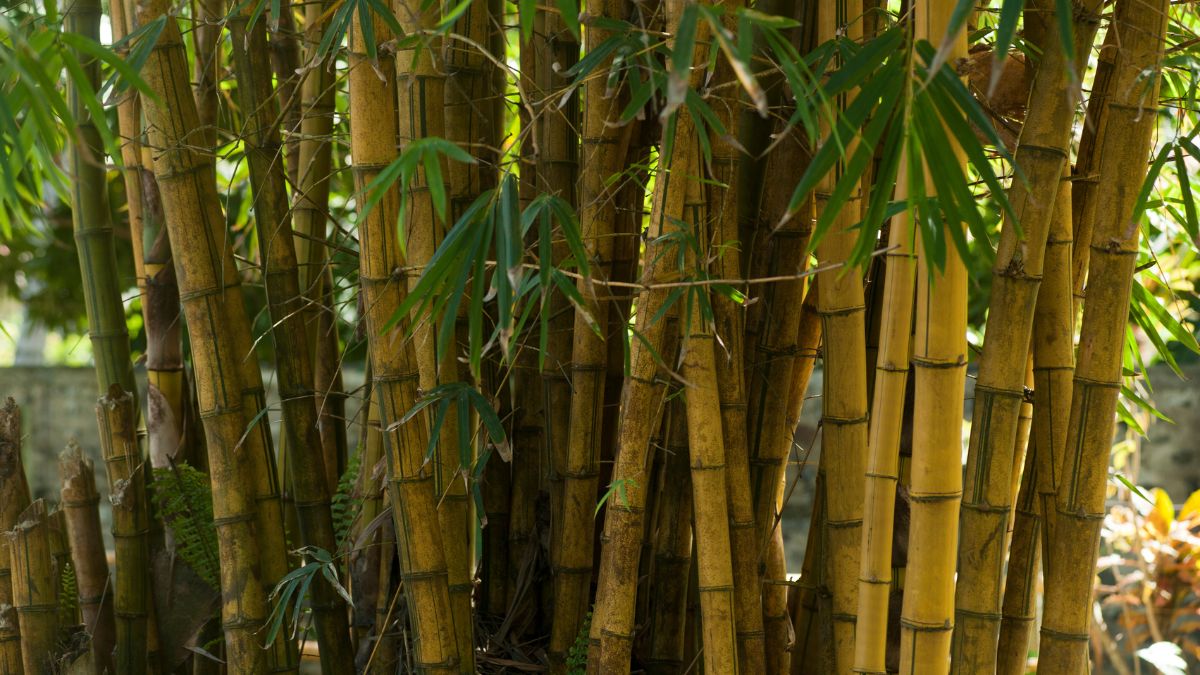
The name Banswara directly refers to its historic bamboo-covered landscape, where dense bamboo groves once dominated large parts of the region and shaped its cultural identity.
Strong Tribal and Craft Heritage
Banswara is home to several tribal communities who traditionally used bamboo in tools, storage items, decorative crafts, household structures, and everyday life practices.
Bamboo Used in Rural Construction
Bamboo has been used in fencing, wall frames, sheds, temporary structures, and agricultural support systems because of its durability, flexibility, and availability.
Historical Association With Forest Resources
The region’s economy was historically linked with forest-based products, bamboo cutting, craftwork, and trade activities connected to natural vegetation resources.
Cultural Significance in Local Traditions
Bamboo continues to be part of rituals, festivals, and traditional craftsmanship, preserving indigenous knowledge and community heritage in the Banswara region.
Read more: Which Country Is Known as the Land of Silver?
Banswara is known as the City of Bamboo because its name originates from the word “Bans”, meaning bamboo.The region’s historical bamboo forests, traditional craft heritage, rural livelihoods and long-standing cultural association with bamboo-based resources in southern Rajasthan. Keep reading for more such topics.



-1767891137509.jpg)
-1767882938552.png)
Comments
All Comments (0)
Join the conversation