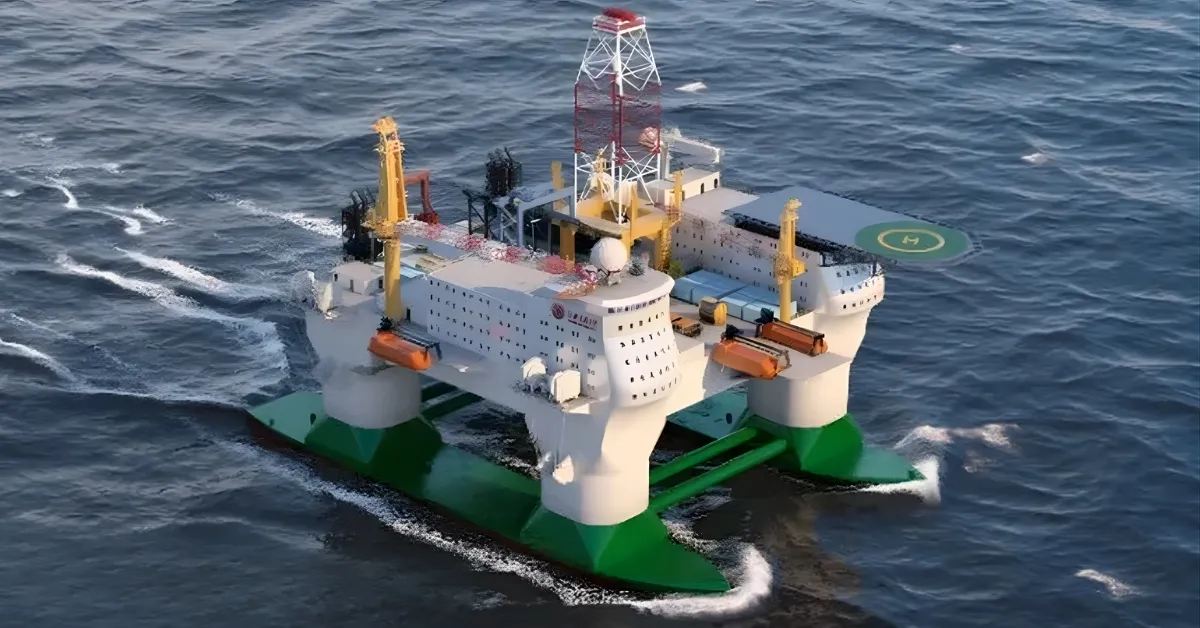
Key Points
- China is building a nuclear-proof floating island, operational by 2028.
- The island weighs 78,000 tonnes and can house 238 people for months.
- It uses metamaterial panels to reduce nuclear blast impact by over half.
Do you think that an island can really survive a nuclear explosion? For a long time, islands were just natural pieces of land where indigenous people used to live and hunt. But now look at them. Today many billionaires, or the government itself, are creating artificial islands for many reasons.
They serve as locations for luxury hotels, additional living space, and military bases in the middle of the ocean. Now, China has taken this technology even further.
They are building the world's first nuclear-blast-resistant floating island. This is not a piece of land made of sand or rock. Instead, it is a massive, high-tech steel structure that weighs 78,000 tonnes. It uses special "metamaterial" panels that function like giant shock absorbers.
These panels can reduce the impact of a nuclear blast by more than half. This keeps the island safe and operational during a major disaster. The facility is built to accommodate over 200 people for months at a time.
In this article, we will look at the impressive planning behind this "unsinkable" island. We will talk about where it will be located and how it will be used in the future.
ALSO READ| Which is the Largest Island in the World by Area? Check Population, Location and Facts
What is this New Nuke-Proof Artificial Island Called?
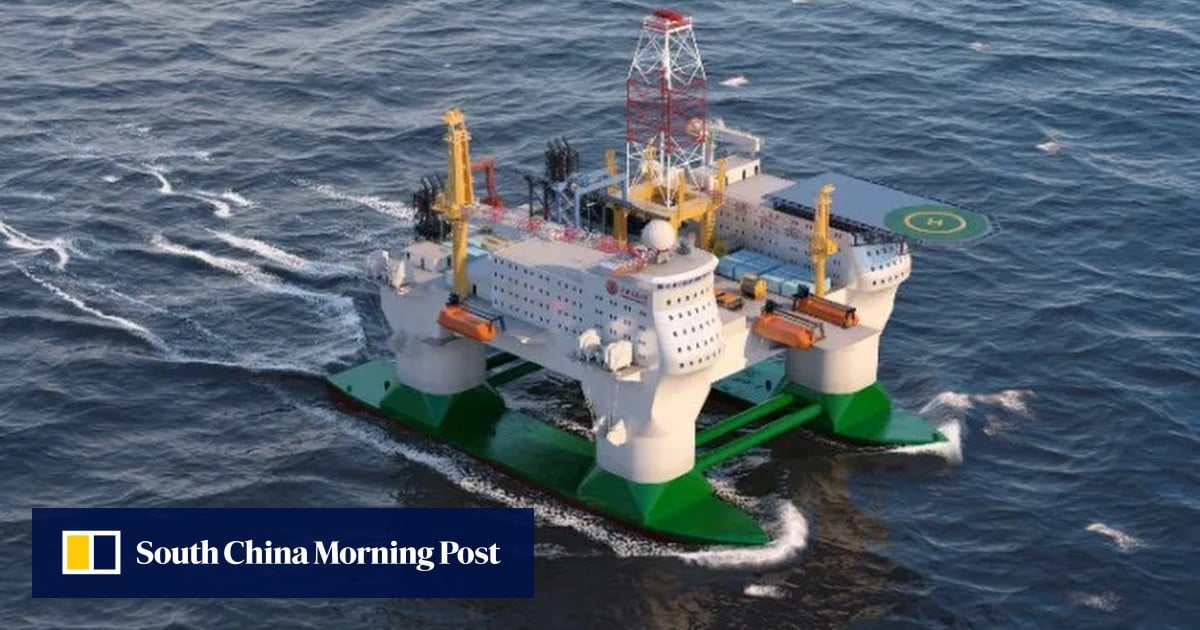
The world's first nuclear-proof floating island is called the Deep-Sea All-Weather Resident Floating Research Facility.
Often referred to as a "mobile island", this large project is led by Shanghai Jiao Tong University. It is meant to be a permanent, high-tech home in the ocean that can withstand the harshest conditions possible.
Why and How Was It Built?
The project seeks to establish a permanent presence for China in deep-sea zones, including the South China Sea. Though its stated goal is scientific inquiry, such as seabed and climate research, its construction satisfies demanding military requirements. It is constructed as a self-sustaining defence that can safeguard researchers even amid a nuclear disaster.
Key Details of the Island:
- Size and Weight: It weighs 78,000 tonnes (about the size of a large aircraft carrier) and is 138 metres long.
- Materials: It uses "metamaterial" sandwich panels made of folded metal tubes. These act like cushions to absorb and soften the shock of a nuclear blast.
- Capacity: It can house 238 people for up to four months without needing new food or fuel.
- Durability: The island can withstand Category 17 typhoons and waves up to 9 metres high.
- Timeline: Construction is currently underway, and it is expected to be fully operational by 2028.
IN CASE YOU MISSED| Which Country Has the Most Islands in the World?
Why Is China Building Artificial Islands?
 t
t
China builds these islands for three main reasons.
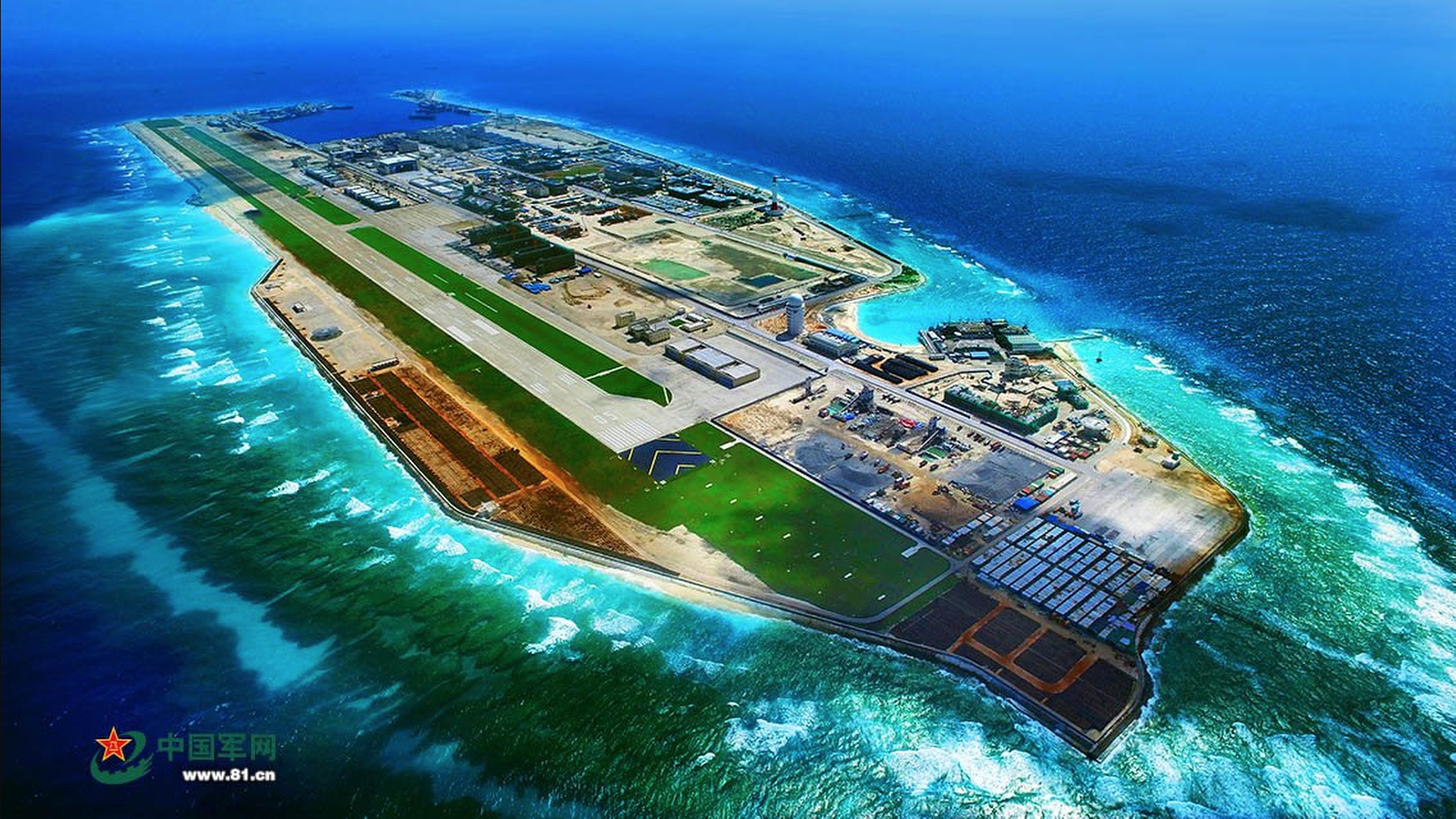
- These artificial islands help China claim ownership of almost the entire South China Sea.
- Many of these islands have airfields, missile systems, and radar towers to monitor the region.
- The area is rich in oil, natural gas, and fish. Having islands nearby makes it easier to collect these resources.
The new nuke-proof island is a bit different. It is designed as a mobile fortress for deep-sea research. It allows scientists to live and work in the middle of the ocean for months without needing help from land.
Where Is China's Artificial Island Located?
Most of China's artificial islands are in the South China Sea, a busy and disputed area of the ocean.
- The Spratly Islands: This is where the largest islands can be found, such as Mischief Reef, Subi Reef, and Fiery Cross Reef.
- The Paracel Islands: These are nearer to China and include Woody Island, which acts as a main hub.
- The New Floating Island: When completed in 2028, this mobile island will probably navigate these same waters, concentrating on the deep-sea regions of the South China Sea.
Conclusion
According to Professor Yang Deqing from Shanghai Jiao Tong University, this major deep-sea facility is built for "all-weather, long-term residency." In a peer-reviewed paper, he explained that the island is much more than just a platform; it is a permanent home designed to stay functional in any environment.
To keep everyone safe during a crisis, the island includes:
- Emergency Systems: It has built-in backups to keep power running and communications open, even if things go wrong.
- Smart Navigation: The facility is equipped with high-tech controls to ensure it can move and stay on course smoothly.
This design ensures that the crew remains connected and powered up, no matter how remote their location or how harsh the weather becomes.
WHAT'S NEXT| List of Island Countries in the World



-1768322786819.jpg)

Comments
All Comments (0)
Join the conversation