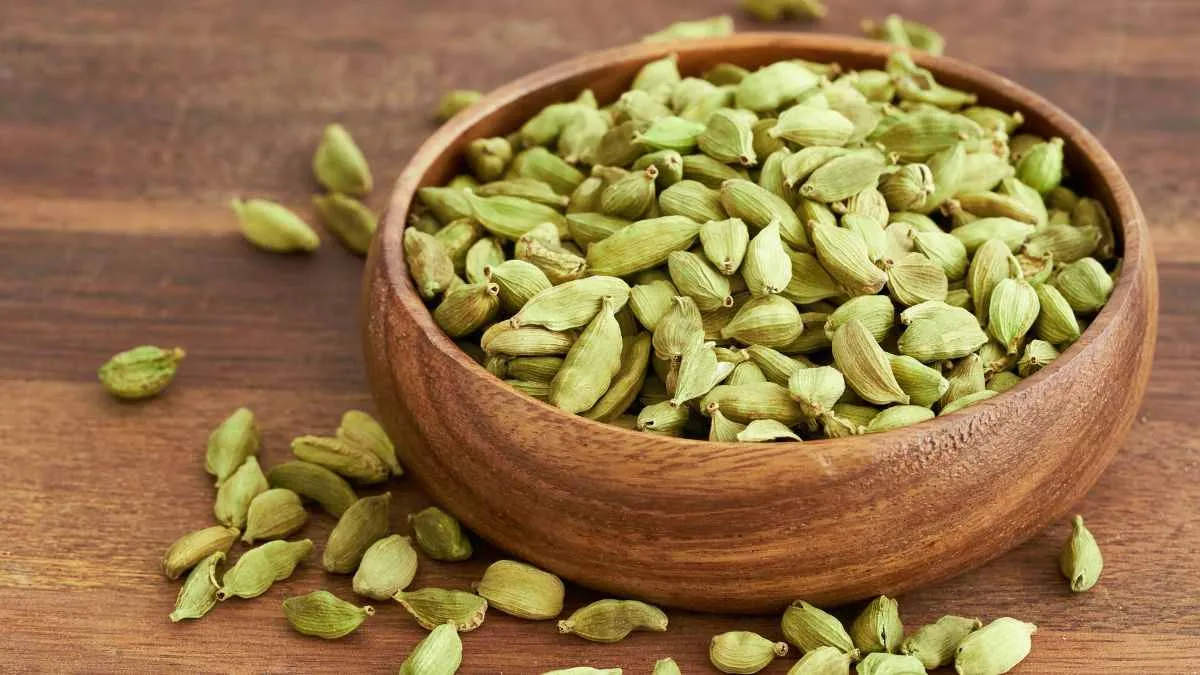
Cardamom City of India: Bodinayakanur is known as the Cardamom City of India because it has historically been a major trading, curing, and marketing centre for cardamom grown in the Western Ghats. The town’s long association with the spice trade, especially small cardamom, has given it a distinct identity in Indian geography and agriculture.
Why Is Bodinayakanur Called the Cardamom City of India?
Bodinayakanur is called the Cardamom City of India because it functions as a key commercial hub where cardamom from nearby hill regions is collected, graded, cured, and traded. For decades, the town has connected cardamom growers with domestic markets and export channels, strengthening its reputation as an important spice trading centre.
Origin of the Title Cardamom City of India
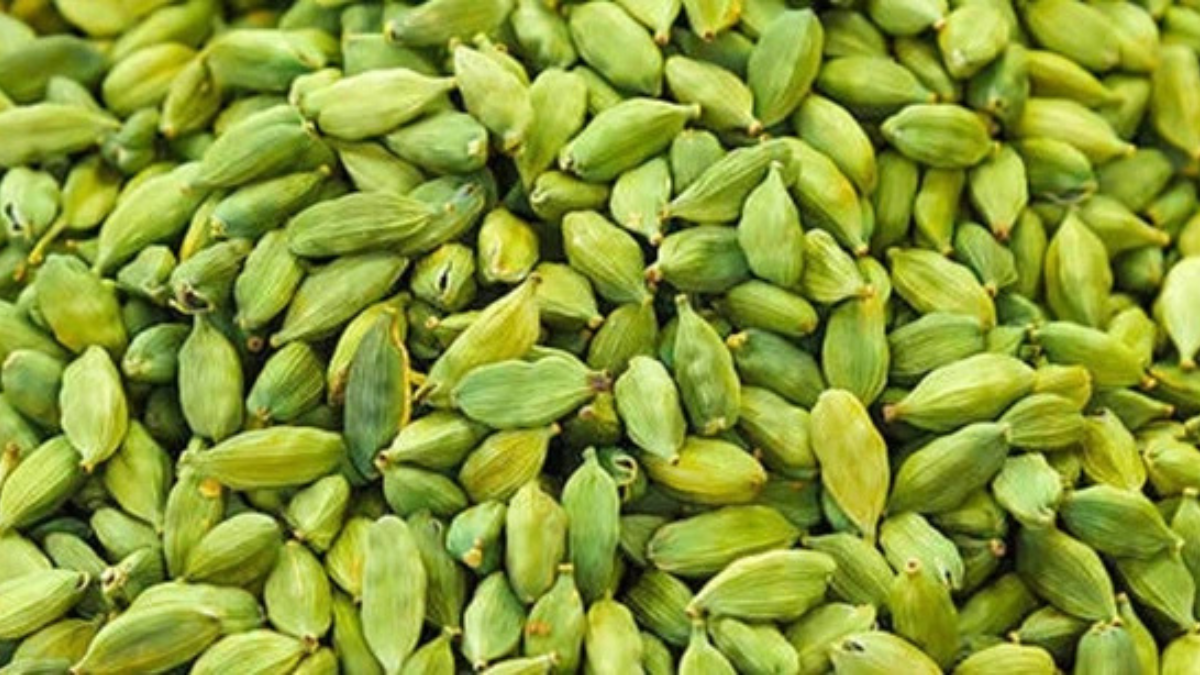
The title Cardamom City of India originated due to Bodinayakanur’s strategic role in the spice trade during the colonial and post-independence periods. Its proximity to cardamom-growing hills and the presence of organised trading networks helped the town emerge as a recognised cardamom marketplace over time.
Location of Bodinayakanur
Bodinayakanur is located in the Theni district of Tamil Nadu, at the foothills of the Western Ghats. Its location near major cardamom-producing regions of Tamil Nadu and Kerala makes it a natural centre for spice aggregation and trade.
Cardamom Cultivation Around Bodinayakanur
The regions surrounding Bodinayakanur provide ideal conditions for cardamom cultivation, including higher elevation, moderate temperatures, high humidity, and heavy rainfall. Shaded forest conditions support the growth of aromatic and high-quality small cardamom supplied to markets.
Importance of Cardamom in Bodinayakanur’s Economy
Cardamom plays a vital role in Bodinayakanur’s economy by supporting farmers, traders, curing units, commission agents, transporters, and exporters. The spice trade has significantly influenced the town’s commercial growth, employment opportunities, and regional economic stability.
Largest Cardamom-Producing State in India
Kerala is the largest producer of cardamom in India, followed by Tamil Nadu and Karnataka. These states together form the main cardamom-producing belt of the Western Ghats, known worldwide for producing premium-quality cardamom.
Largest Cardamom Producer in the World
Guatemala is the largest producer of cardamom in the world, followed by India. Indian cardamom is highly valued for its strong aroma, natural oil content, and superior flavour, making it popular in international markets.
Interesting Facts About Bodinayakanur
Historic Cardamom Trading Hub
Bodinayakanur has been a recognised centre for cardamom trade for several decades. The town historically connected hill plantations with major spice markets of South India. Organised trading practices helped build long-term trust among farmers and traders.
Located Near the Cardamom Hills
Bodinayakanur lies close to the cardamom-growing regions of the Western Ghats. This proximity reduces transportation time and helps preserve spice quality. The location makes the town an efficient collection and distribution point.
Known for Traditional Spice Markets
The town is known for traditional spice markets where cardamom is graded and cured.Quality control and pricing follow time-tested market practices. These markets attract buyers and traders from different Indian states.
Supports Regional Spice Economy
The cardamom trade supports thousands of farmers, workers, and traders. Many surrounding villages depend economically on spice-related activities.The trade contributes to stable income and regional development.
Strong Identity Linked to Spices
Cardamom trading has become part of Bodinayakanur’s cultural and economic identity. The town is widely recognised for its association with spices. This identity has continued across generations, reinforcing its title.
Read more: Which City Is Known as the City of Bamboo?
Bodinayakanur is known as the Cardamom City of India because of its long-standing role as a major trading and commercial centre for cardamom produced in the Western Ghats. Keep reading for more such topics.




-1768322786819.jpg)

Comments
All Comments (0)
Join the conversation