Colleges in the UK are increasingly being challenged on how the knowledge acquired in the university can be applied to real life achievement. The reaction has been a silent though notable change in the design of programmes in institutions that are no longer theory-based programmes but are now models that incorporate both knowledge and experience.
The Reflections of Learning That Parallel the Workplace
Among the most noticeable changes, one can mention the introduction of industry collaboration into the design of the course. Instead of using simulated case studies only, progressive institutions now present the students with live consultancy projects, real client briefs and operational issues that are the real picture of what the employers expect. Well-rounded degree programmes are becoming a common characteristic of business clinics, project-based modules, and professional partnerships.
One of the universities that have been leading this transition is the Northumbria University; in its Newcastle Business School, students have the chance of working on live projects with actual organisations to develop problem solving, teamwork and client communication skills in addition to their studies.
A Global Classroom
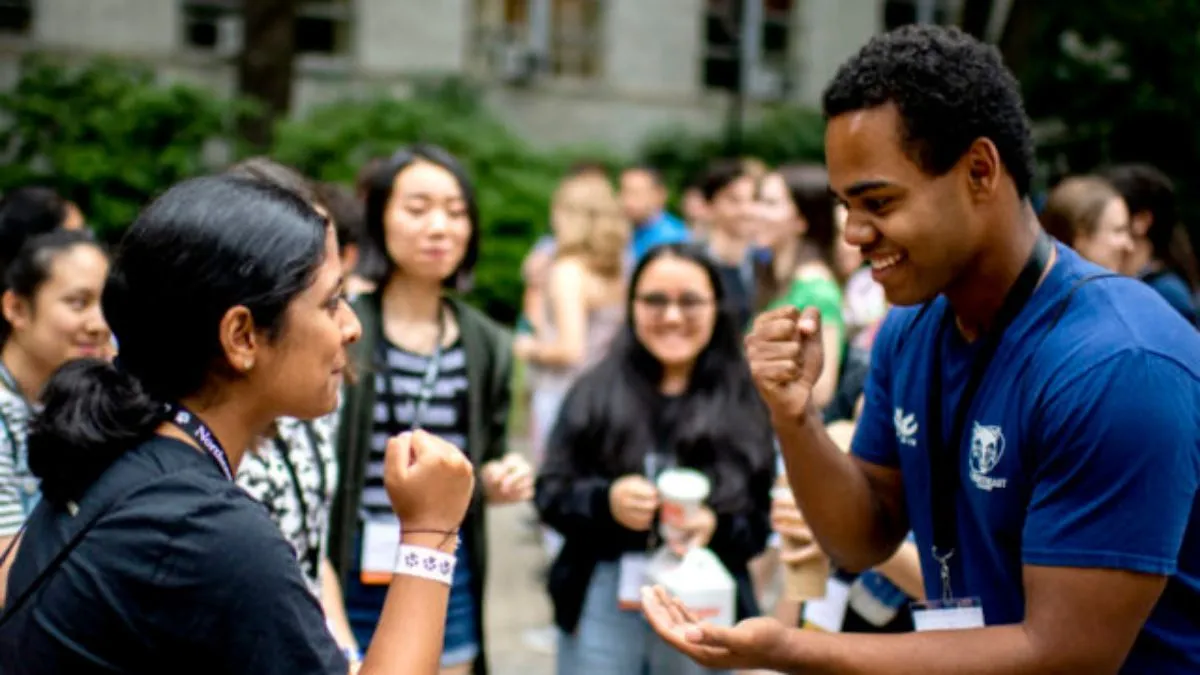
Another characteristic of modern higher education has been internationalisation. Campuses with students representing more than a hundred countries do not merely provide cultural diversity as a back-drop but they actually incorporate it into the learning process. The discussions in classrooms, group projects, and the normal social interactions all emerge to be a platform of exposure to global views, which is now becoming increasingly favored by the employers in all sectors.
Such environments have the added dimension of peer learning. Students are not only taught by the faculty but they also get to learn through the experiences of their colleagues, what they aspire to be in life and their professional experiences in order to prepare them to head to the multicultural workplaces that most of them will get to in due course of time as well.
Beyond the Lecture Hall Support
University life in a new country has its challenges. Universities such as Northumbria University which pay significant attention to international students make serious investments in terms of orientation programmes and academic skills training, wellbeing services and specific advisory teams. The idea is to ensure that the transition is not too hard without eliminating the aspect of growing completely.
The broader environment is also important. Cities that are less expensive to live in, have good student communities and can provide the cultural life easily are more likely to make the experience as a whole more sustainable- the students can afford to work on themselves and their growth, as opposed to logistics.
Networks That Go Beyond the Degree
A degree is a ticket, but professional connections can be the difference between taking an applicant further or not. Transboundary and inter-industry Northumbria University Alumni communities are now more commonly regarded as an asset of higher education in the long-term - providing mentorship, co-operation and career mobility long after graduation.
The Bigger Picture
It is not just a matter of where to study but how an institution is going to help the prospective students grow as they go. The only universities that are in the game are those that take education as a continuum - a combination of academic rigour and the work life, international diversity, and systematic encouragement into something truly more than a qualification.
Such alignment between learning and practice, in a competitive world, can be what eventually makes graduates, not to mention careers.


-1772216558726_t.webp)
-1772207279396_t.webp)
Comments
All Comments (0)
Join the conversation