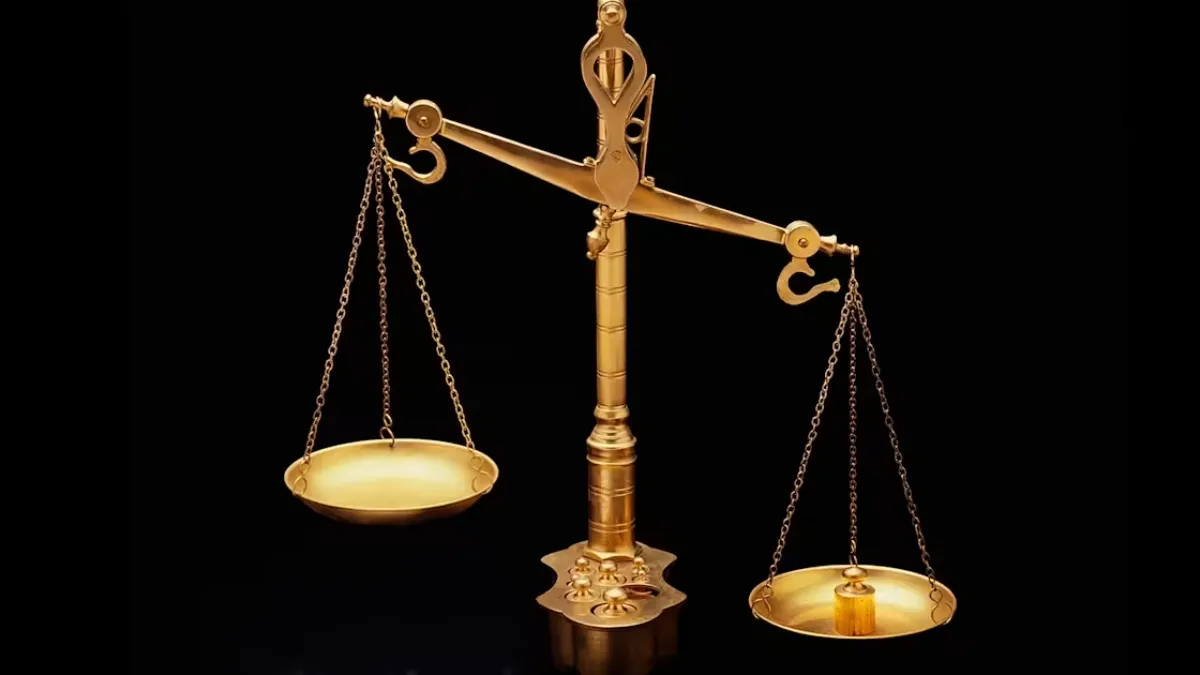
The United States government is built on a simple but powerful idea that no single branch of government should hold all the power. To achieve this, the framers of the U.S. Constitution divided authority among three branches
-
The legislative
-
The Executive
-
The Judicial
Source: U.S. Constitution, Articles I–III
To prevent one branch from becoming too dominant, they created a system called checks and balances. This ensures that each branch can monitor, limit, or influence the others. Through this article, learn how it keeps the government fair, stable, and accountable to the people.
What Are Checks and Balances?
As per the U.S. Constitution, Articles I–III, checks and balances are mechanisms that allow one branch of government to oversee the others. They are not listed as a fixed number in the Constitution; instead, they are embedded in the powers and responsibilities of each branch. For example:
-
Congress passes laws, but the President can veto them.
-
The President appoints federal judges, but the Senate must approve them.
-
Courts can declare laws or executive actions unconstitutional, a process known as judicial review, as per the Supreme Court, Judicial Review.
These powers work together to maintain a balance of authority and ensure that no branch can act entirely on its own.
How does each branch of Government Provides Checks and Balances?
One of the main advantages offered by the United States Constitution is the ability of each branch to react to the activities of the other branches. This constant play-off provides the checks and balances among the branches of government so that no branch can become dominant (U.S. Constitution Articles I-III).
Here is how it works:
-
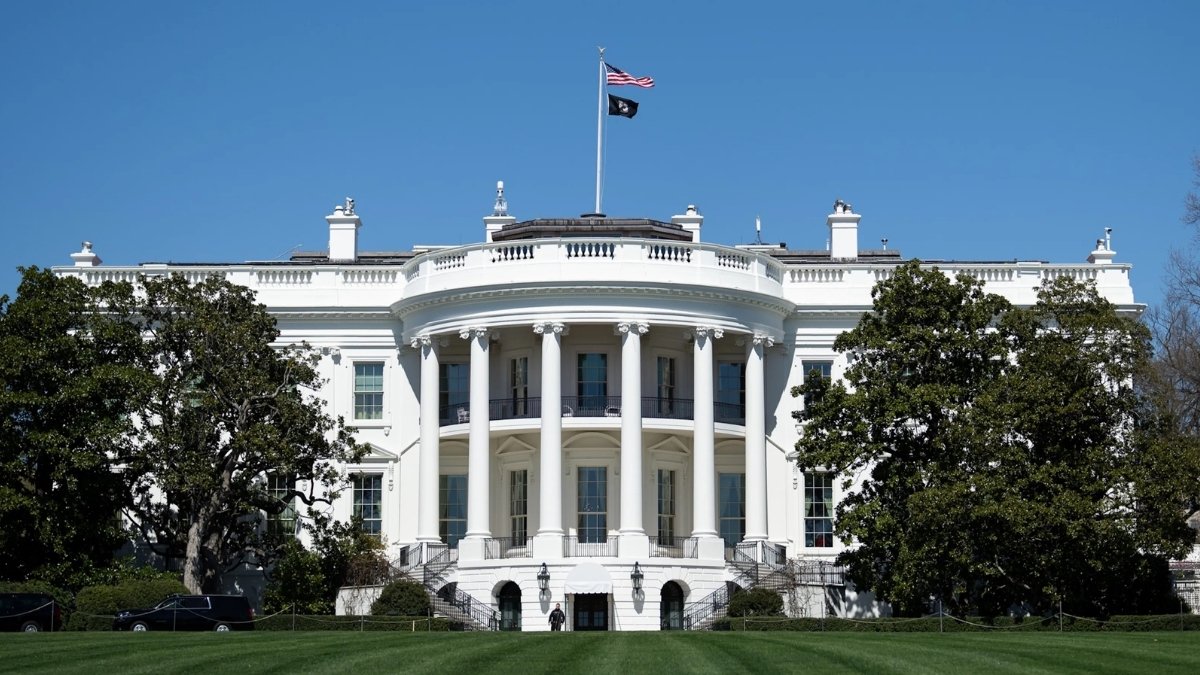
The President can veto bills approved by Congress, thereby delaying or preventing passage of a bill. The President appoints officials to administrative agencies and Supreme Court judges, who contribute to shaping the federal administration structure.
-
Congress is then given the authority, by law, to confirm or reject the President's appointees, and under extreme conditions, it has the power to remove him from office through impeachment.
-
The Supreme Court (Judicial Branch), with Justices nominated by the President and confirmed by the Senate, can strike down laws or executive actions that violate the Constitution. This judicial oversight ensures both Congress and the President act within their limits (Supreme Court, Judicial Review).
Together, these mechanisms establish a dynamic system of accountability whereby each branch has the wherewithal to check the others in an effort to maintain balance and protect the principles of American democracy. (Separation of Powers in the U.S. Government)
Why Checks and Balances are So Significant?
Checks and balances are more than a rule on paper, they are essential for democracy (as per the U.S. Constitution, Articles I–III). Here’s why:
-
Prevent Abuse of Power: No branch can dominate, reducing the risk of authoritarian rule (Congress.gov).
-
Promote Accountability: Each branch monitors the others, encouraging responsible governance (Separation of Powers in the U.S. Government).
-
Protect Citizens’ Rights: By limiting overreach, checks and balances safeguard freedoms (Supreme Court, Judicial Review).
-
Maintain Stability: Laws and decisions are carefully considered and balanced (U.S. Constitution, Articles I–III).
Without checks and balances, the government could become unbalanced, with one branch making unchecked decisions that affect millions of lives.
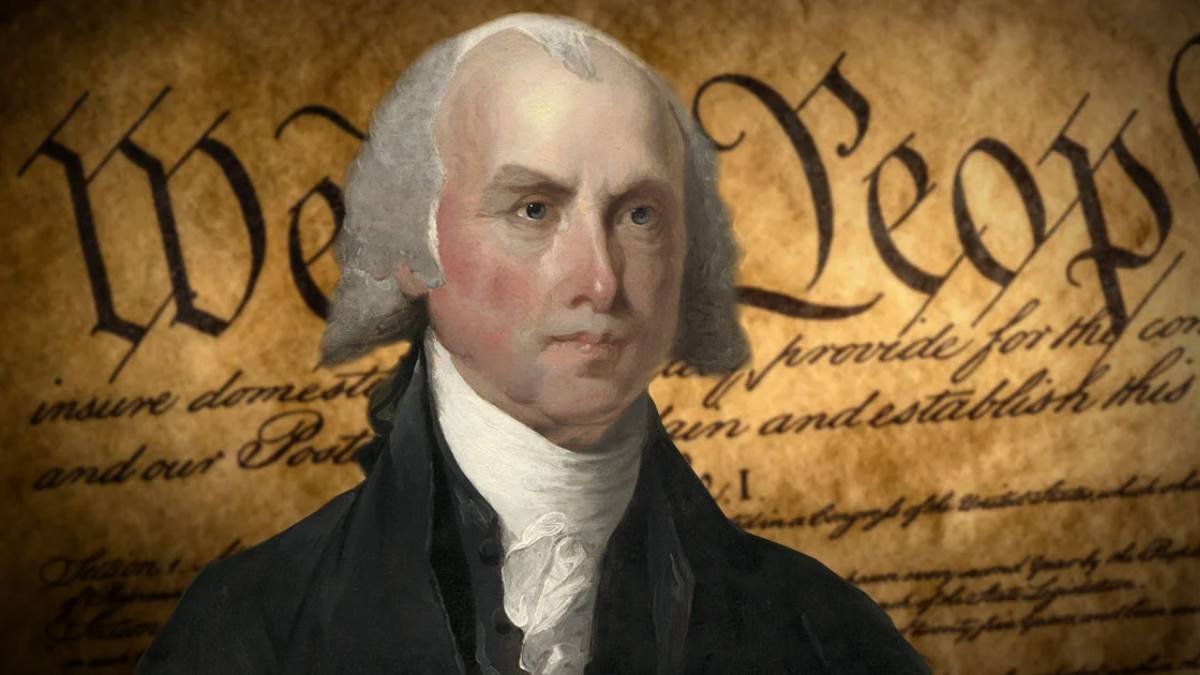
To conclude, the system of checks and balances is a cornerstone of the U.S. Constitution and American democracy. Distributing power among the legislative, executive, and judicial branches, it prevents any branch from dominating, encourages accountability, and protects citizens’ rights (as per the U.S. Constitution, Articles I–III).
You may also like to read: What is the Pentagon? Check U.S. Military Headquarters!
Therefore, after understanding this system, there is clarity about how the United States governs itself. It also tells why its democracy has endured for over two centuries, as per the Separation of Powers in the U.S. Government.



Comments
All Comments (0)
Join the conversation