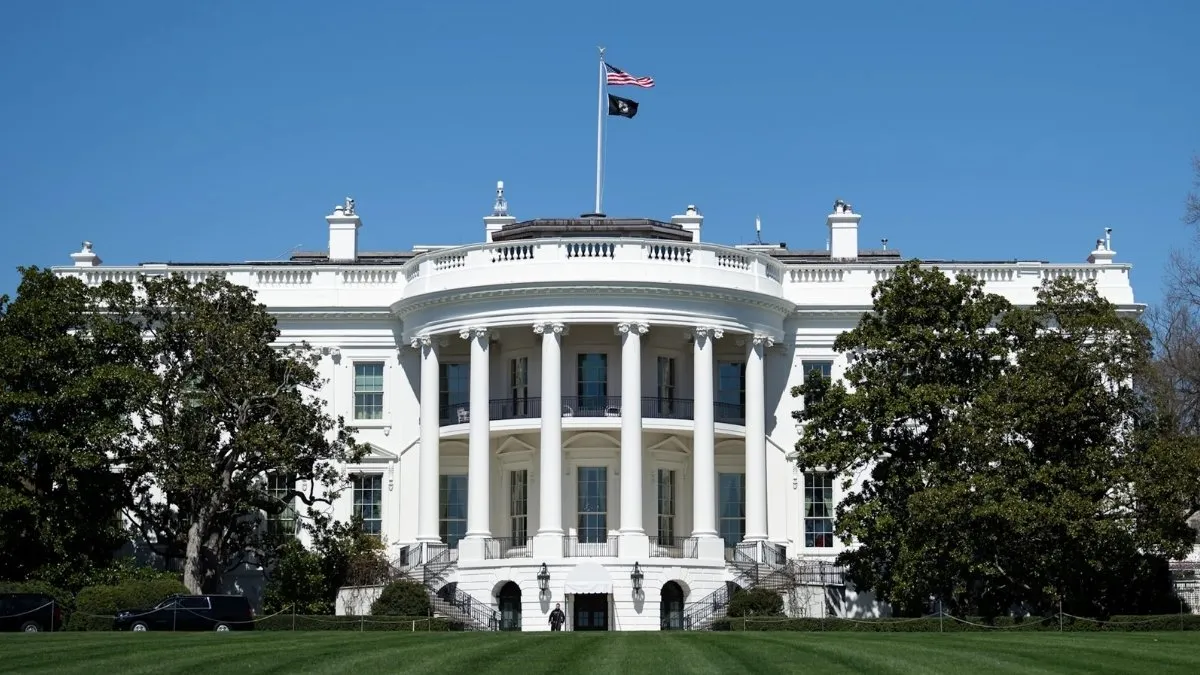
Executive agencies play a central role in how the United States federal government functions on a day-to-day basis.
These agencies fall under the executive branch and operate under the powers of the President. You should know that their primary role is to implement and enforce the laws that have been enacted by Congress. They are also responsible for managing public policies in several sectors. These include the national security, health, and education.
What are the Key Executive Branch Departments?
There are a total of 15 Cabinet departments in the U.S. Federal Government System. These departments form the backbone of the executive branch. Each of them is led by a Secretary, except for the Department of Justice, which is headed by the Attorney General.
Moreover, the Cabinet secretaries are appointed by the President and confirmed by the Senate. They advise the President on major policy decisions. The list of Notable Cabinet Departments are as follows:
-
Department of State manages foreign relations.
-
Department of Defense responsible for national defence and the armed forces.
-
Department of the Treasury oversees federal finances and taxation.
-
Department of Justice enforces federal law and represents the government in legal matters.
-
Department of Homeland Security focuses on border protection and counter-terrorism.
-
Department of Health and Human Services manages public health programmes and social services.
Apart from this, there are other departments that cover areas such as education, energy, labour, transportation, agriculture, housing, veterans’ affairs, and the management of public lands and natural resources.
Together, they form the core administrative structure of the U.S. government and employ millions of federal workers.
What are the Independent Agencies and Their Roles?
In addition to the Cabinet, many other independent agencies are also a part of the federal executive branch. Although they are a part of the executive branch, these agencies enjoy a higher degree of independence from the control of the President.
Examples of Independent Agencies
These agencies carry out specialised functions and help enforce laws in areas where the federal government has specific mandates.
-
Environmental Protection Agency (EPA) regulates environmental standards.
-
Federal Trade Commission (FTC) enforces consumer protection and competition laws.
-
National Aeronautics and Space Administration (NASA) handles space exploration and research.
-
Central Intelligence Agency (CIA) conducts intelligence and national security operations.
-
Social Security Administration (SSA) manages retirement and social insurance programmes.
What is the Executive Office of the President?
Another important component is the Executive Office of the President. This group of agencies and offices supports the President directly. Key offices include:
-
Office of Management and Budget (OMB) oversees federal spending and budgeting.
-
National Security Council (NSC) advises the President on defence and foreign policy.
-
Office of the United States Trade Representative (USTR) manages international trade negotiations.
Why are Executive Agencies in the U.S. Federal Government So Significant?
The United States has dozens of federal agencies, and they help in how laws are implemented, regulations enforced, and public services delivered across the country.
Together, executive departments and independent agencies ensure that the federal government moves from legislation to action, shaping everyday life in the United States.
You may also like to read: What is the Nineteenth Amendment in the U.S. Constitution?




Comments
All Comments (0)
Join the conversation